Tell us about the job
Takes about a minute. No obligation.
A furnace installation in Osage County is a local engineering question, not a catalog selection. 198 severe weather events were recorded in Osage County, Oklahoma between 2015 and 2024. At that rate, severe weather is a regular feature of the operating environment, and a contractor who ignores it will size and position a system for conditions that do not exist here. Duct routing, unit placement, and capacity all get decided around what this climate actually delivers.
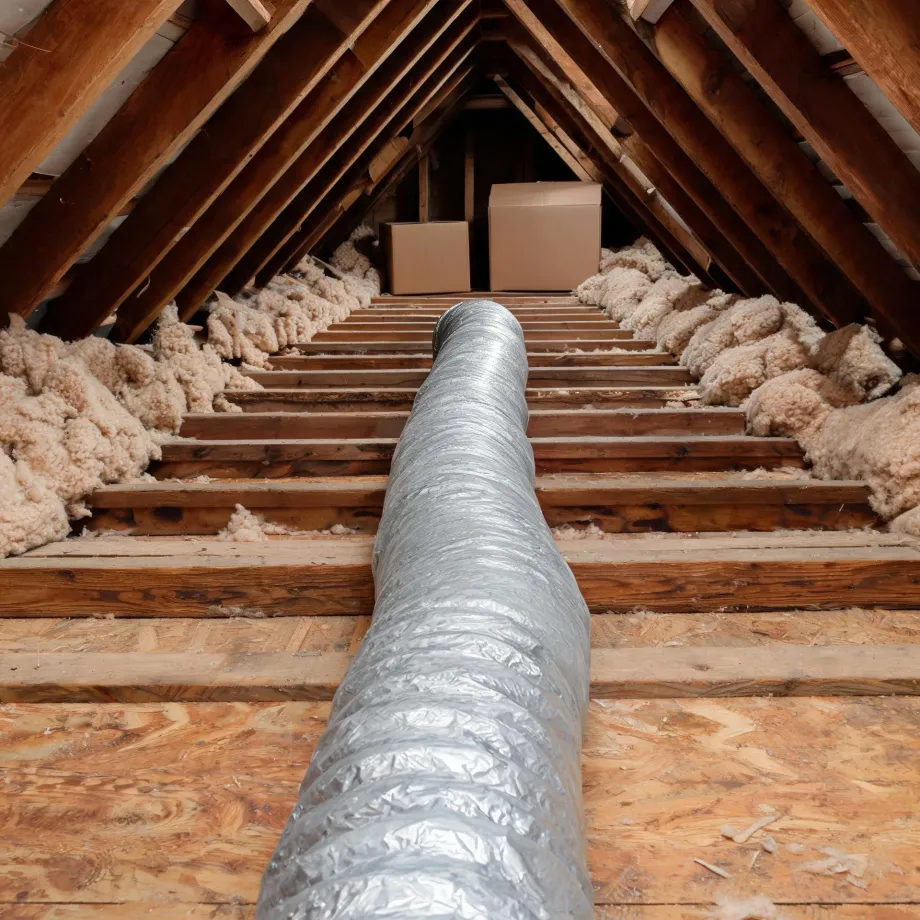
Ductwork laid in for an older generation of furnaces carries assumptions about airflow and sizing that a new unit will expose. Half the homes in Osage County, Oklahoma were built in 1980 or earlier (2020-2024 ACS 5-year). That gap between when the house was built and what now runs in it is where a furnace installation either fits cleanly or requires real work before the equipment ever gets set. A contractor checking whether the existing duct system can handle the load of a new furnace is doing the job that decides whether this is a straightforward swap or something larger.
What a Furnace Installation Covers
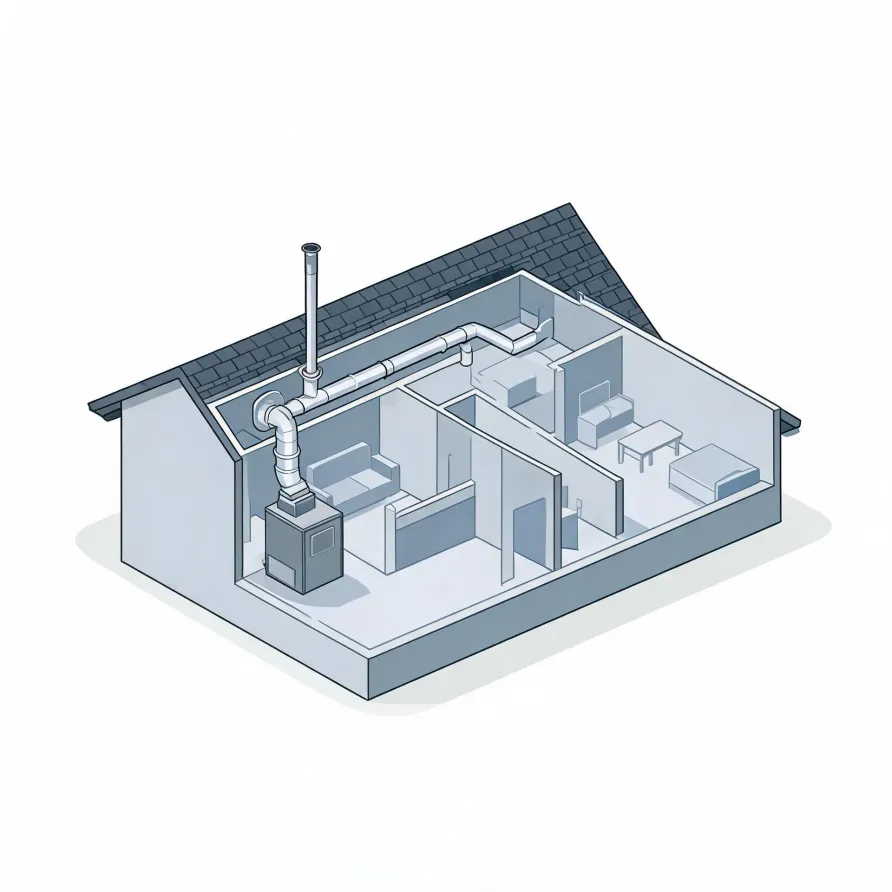
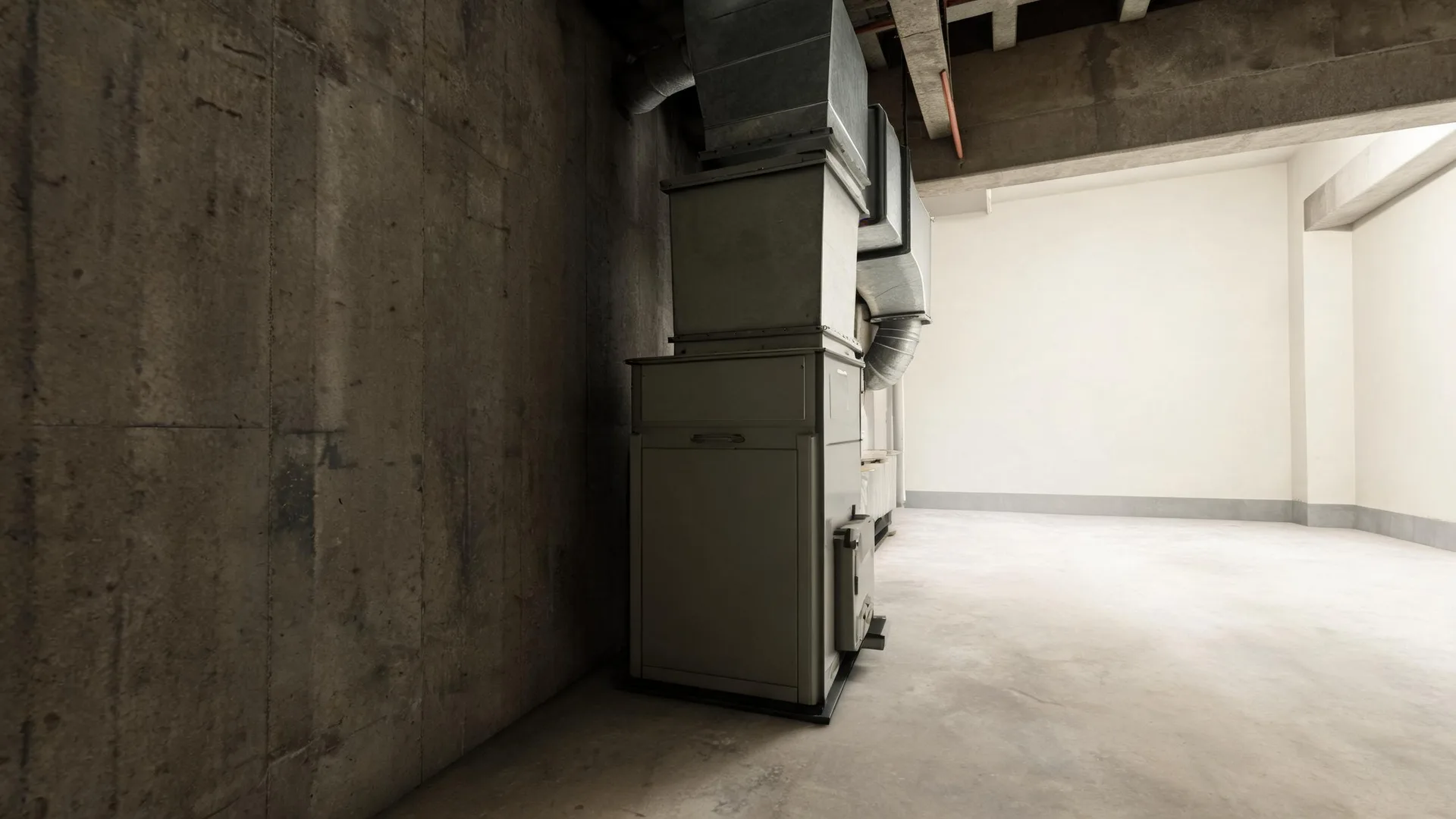
The furnace itself sits in a mechanical room, basement, or utility closet and is the piece that generates heat for the house. A flue or vent pipe runs from the furnace to an exterior wall or through the roof, carrying combustion gases out. Those two pieces are the core of what a contractor brings in and connects.
The air handler or blower compartment, which moves conditioned air into the duct system, is built into or mounted directly on the furnace cabinet. A thermostat goes on an interior wall and is the control point that tells the furnace when to fire. Where a home uses central air, the furnace and the indoor coil share the same cabinet location so both systems run through the same airflow path.
The drawing shows the general layout of these components, and a licensed contractor determines exactly what applies to this house.
Get matched in Osage CountyOsage County, by the numbers
198 severe weather events were recorded in Osage County, Oklahoma between 2015 and 2024.
NOAA National Centers for Environmental Information, Storm Events Database, bulk CSV export, events 2015-01-01 through 2024-12-31.Half the homes in Osage County, Oklahoma were built in 1980 or earlier (2020-2024 ACS 5-year).
U.S. Census Bureau, 2020-2024 American Community Survey 5-Year EstimatesOsage County, Oklahoma holds 19,886 housing units (2020-2024 ACS 5-year).
U.S. Census Bureau, 2020-2024 American Community Survey 5-Year EstimatesOwners occupy 78.3% of the occupied homes in Osage County, Oklahoma (2020-2024 ACS 5-year).
U.S. Census Bureau, 2020-2024 American Community Survey 5-Year EstimatesFurnace Installation Rules & Codes for Osage County, Oklahoma6 sourced standards and regulations
What the installation actually looks like
Non-weatherized gas furnaces manufactured on or after November 19, 2015 must reach 80.0 percent AFUE.
Non-weatherized oil-fired furnaces manufactured on or after November 19, 2015 must reach 83.0 percent AFUE.
Mobile home gas furnaces manufactured on or after November 19, 2015 must reach 80.0 percent AFUE.
Non-weatherized gas furnaces manufactured on or after December 18, 2028 must reach 95.0 percent AFUE, up from the 80.0 percent minimum that applies to units manufactured before that date.
Licensing and Legal Requirements in Osage County, Oklahoma
An Oklahoma mechanical licence is valid statewide, and a contractor licensed by a local authority who works only in that locality is not required to hold the state licence at all.
Oklahoma requires a Construction Industries Board licence for mechanical work: nobody may do or advertise mechanical work as a journeyman or contractor without the right licence.
Severe Weather Events in Osage County
Oklahoma weather puts real demands on heating equipment, and what happens in Osage County shapes how hard a furnace has to work and how long it holds up. That workload is a local fact, and it belongs in any honest conversation about installation.
198 severe weather events, 2015–2024. Source: NOAA National Centers for Environmental Information, Storm Events Database.