Sooner Furnace
Profile view of a bearded man wearing a dark green baseball cap and a dark gray T-shirt against a plain light background.

Furnace on but house still cold in Oklahoma

Step 1 of 3: Equipment

Why is my furnace running but my house still cold in Oklahoma?

Your furnace is running, you can hear it, maybe you can feel warm air at one vent, but the house just isn't warming up. On a cold Oklahoma morning that's worrying, especially if the thermostat keeps climbing toward 70 and the rooms stay cold anyway. Before you assume the whole system is failing, it helps to know what actually causes this and whether it's something small or something that needs a repair call soon.

Usually a clogged filter, a sizing or airflow problem, or a failing part that's keeping the burners from running long enough to heat the house

A furnace that runs constantly without catching up is usually short on airflow or short on heat. A dirty filter chokes the air moving across the heat exchanger, so the blower runs but the air coming out isn't as warm as it should be. A failing igniter or flame sensor can make the burners shut off early or cycle on and off instead of staying lit, so the furnace runs without putting out full heat. Leaky or disconnected ductwork can also send warm air into the attic or crawlspace instead of your rooms. With gas this common in Oklahoma homes and winter mornings getting genuinely cold, a furnace that can't keep up is worth having looked at rather than waited out.

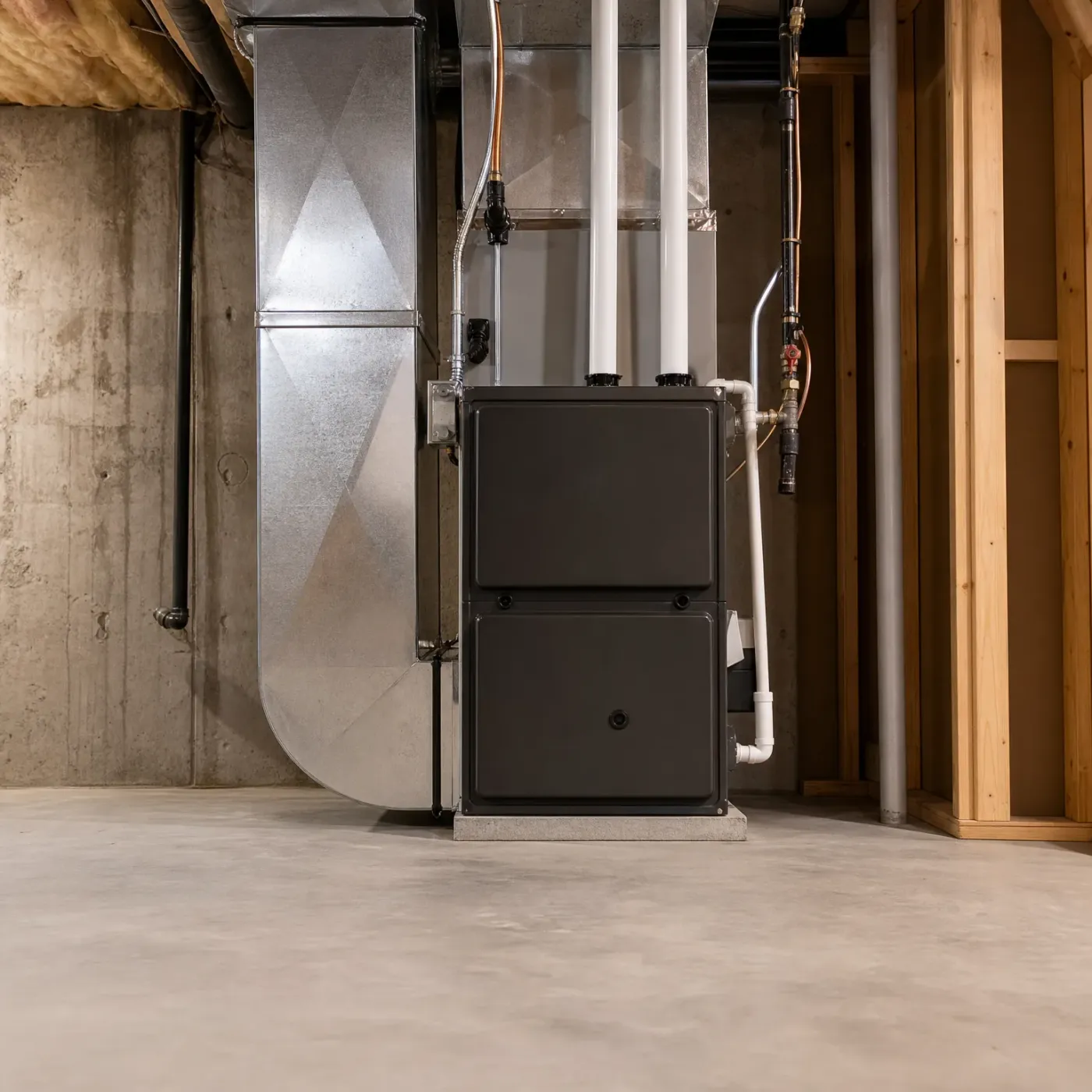
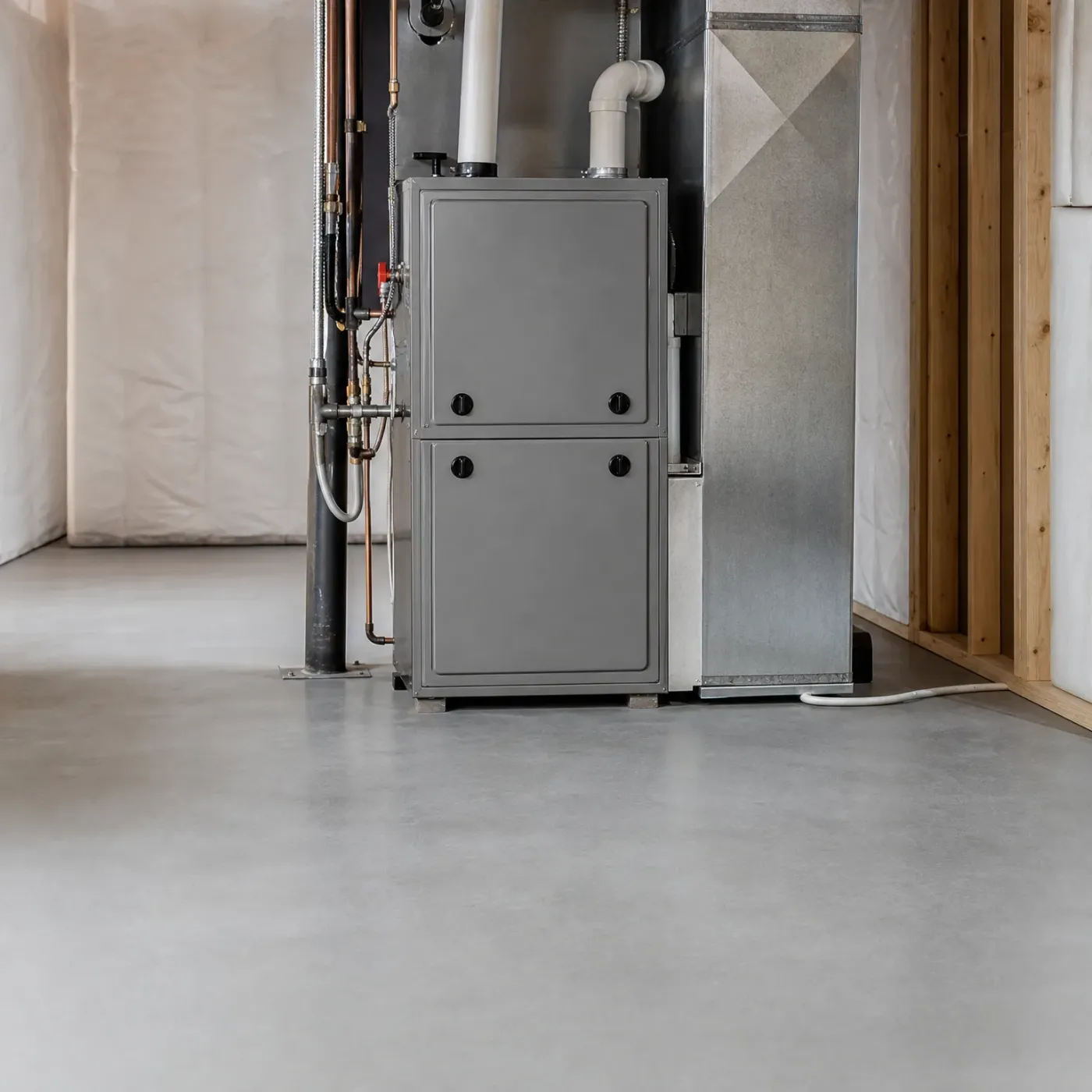
A gray furnace with white PVC vent pipes stands beside sheet-metal ductwork in a basement with a smooth concrete floor, exposed wood framing, and plastic sheeting on the walls.

Running the way it should

A furnace like this moves air through the ducts above it and vents exhaust out through the PVC pipe without a fight. The burners fire, the blower pushes warm air to every room, and the gas line stays tight and dry. Nothing about it needs your attention.

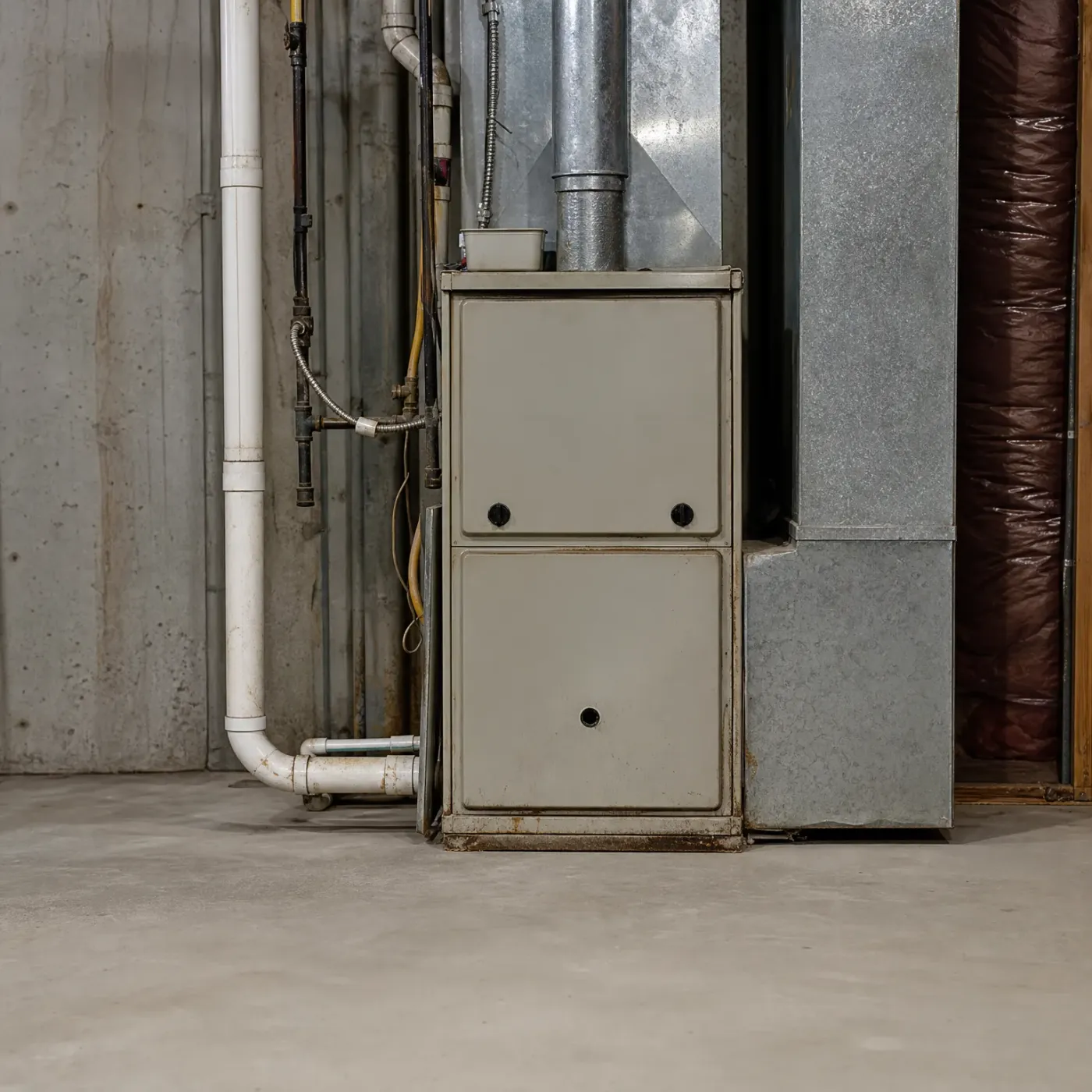
A beige furnace with two access panels stands against a concrete basement wall, with galvanized sheet-metal ductwork, a white PVC pipe, flexible conduit and insulated ducting around it.

Running, but something's wrong

This one still turns on, but rust has worked into the cabinet and the flue pipe above it. Age like that can affect how the furnace fires or how well it holds heat once it's made. A furnace can run and still not be doing its job.

A gray-haired man in a dark sweater sits on a light gray sofa in a living room, looking toward a sunlit window with trees outside.
A gray-haired man in a dark blue sweater sits on a light gray sofa in a sunlit living room, looking off to the side, with a potted plant, shelving unit, and large glass doors behind him.
A bearded man with graying hair in a dark green sweater sits on a sofa in a living room, looking off to the side, with a sliding glass door and a dim kitchen doorway behind him.
A gray-haired man in a dark knit sweater sits on a light gray sofa in a living room, looking toward a sunlit window, with houseplants, a lamp, and framed art in the background.

A furnace can run the whole time your thermostat calls for heat and still leave the house cold, because running isn't the same as heating. Airflow is usually where it breaks down first. A filter clogged with dust forces the heat exchanger to work too hot, and the furnace shuts itself off on a safety switch before the air gets warm enough. A blower set too slow does something similar, pushing out heat that never makes it past the nearest rooms. The gas side matters too. If the valve isn't opening all the way, the burners light but stay weak, and the air passing over them doesn't pick up enough heat. Ductwork in the attic can be losing that heat before it ever reaches a vent. And sometimes the furnace itself is reading the house correctly but the thermostat isn't, calling off a cycle early because it thinks the job is done. A cracked heat exchanger can cut a cycle short the same way, tripping a switch while the blower keeps running on its own.

Why warm air doesn't reach you

  • A dirty filter chokes airflow across the heat exchanger, so the furnace overheats and shuts itself down early on a limit switch before the house gets warm.
  • A blower motor running at the wrong speed moves less air per minute, so heat leaves the furnace but never makes it past the first few rooms.
  • A gas valve that isn't opening fully starves the burners, so they light but produce a weaker flame than the furnace needs to heat the air passing over it.
  • Leaky supply ducts in the attic or crawlspace lose warm air before it reaches the vents, so rooms far from the furnace stay cold while the blower keeps running.
  • A thermostat reading the wrong temperature will call for less heat than the house needs, so the furnace cycles off before the rooms actually warm up.
  • A cracked or failing heat exchanger can trip a safety switch partway through the cycle, cutting the burners off long before the blower stops moving air.
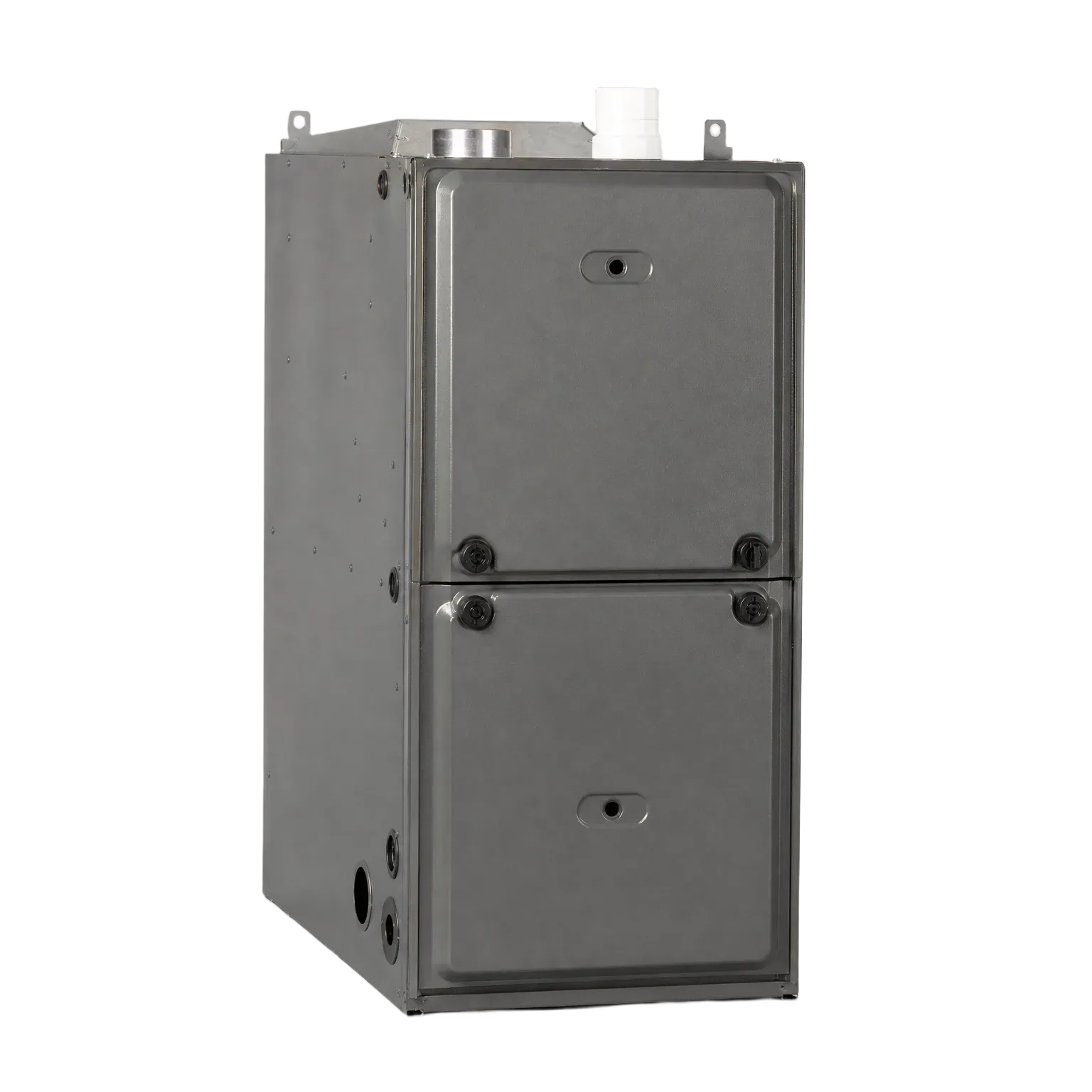
A dark high-efficiency furnace on a concrete pad in a basement, connected to galvanized ductwork, white PVC vent pipes, and copper and black gas piping, with concrete walls and wood framing nearby.
A furnace like this fires evenly and keeps running long enough to push heat through every duct in the house.
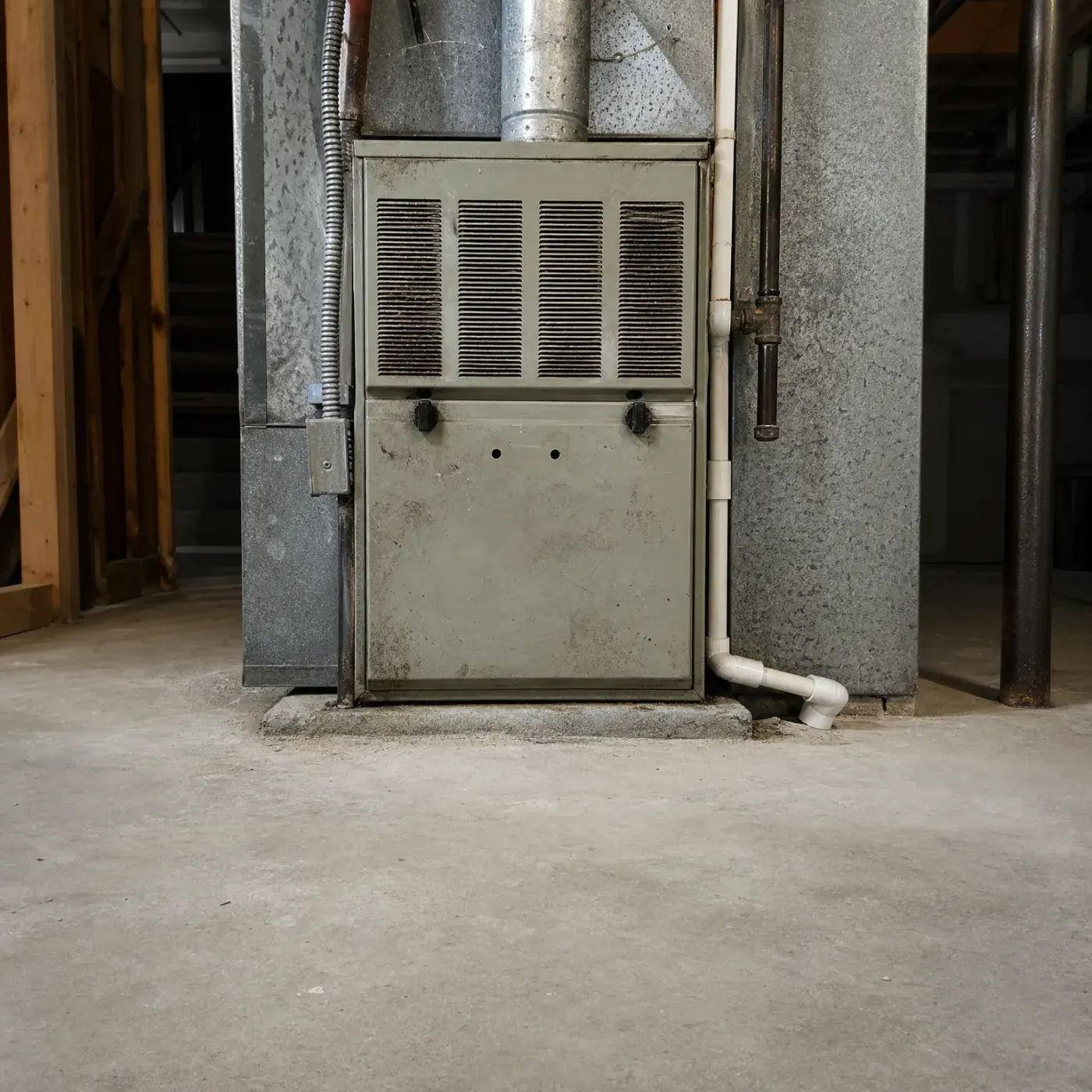
A gas furnace with a louvered upper panel stands on a concrete pad in a basement, flanked by sheet-metal ductwork, white PVC and metal pipes, and insulated columns.
This one keeps short-cycling, and that flexible conduit and condensate line are worth a second look before the next cold snap.
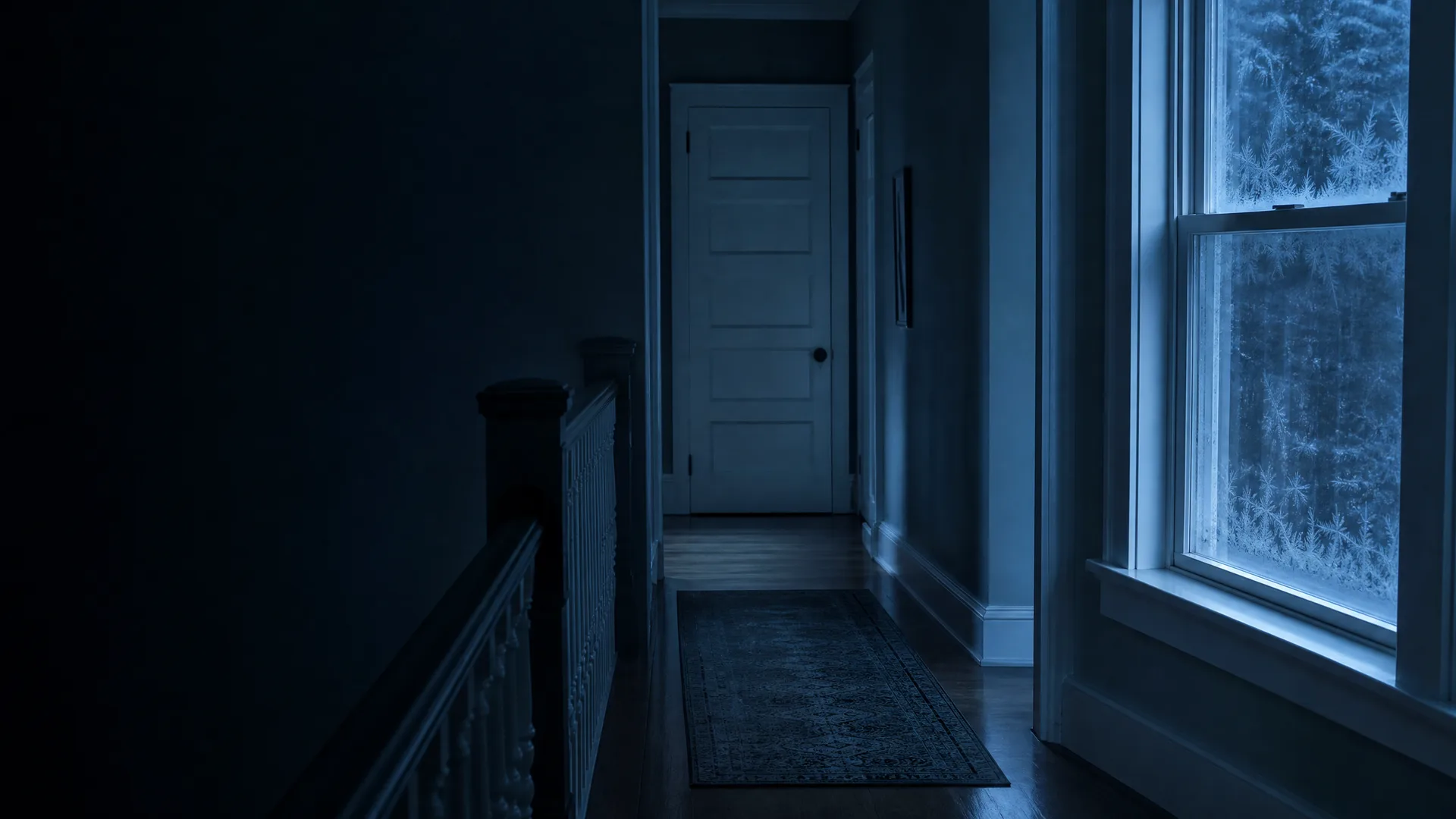
Dimly lit interior hallway at night with a closed white paneled door at the end, a long runner rug on a wood floor, a stair railing at left, and a frost-covered window admitting blue light at right.

You wake up at two in the morning because the house feels wrong. Down the hall the vents aren't pushing anything, no sound, no warm air, nothing. You get up to check the thermostat and the hallway floor is cold under your feet. Outside the window frost has crept up the glass, and the blue porch light next door is the only thing lit for blocks. The furnace is still running somewhere below you, you can hear it faintly through the floor, but whatever it's doing down there isn't reaching this hallway. You stand there a minute, arms crossed, waiting to feel something change. It doesn't.

A local pro for your furnace repair

Your request stays with one local pro.

Asking costs nothing, and the choice to hire stays yours.

What's Actually Happening Inside

  • A gas valve that opens but doesn't modulate right can starve the burners of fuel even while the igniter glows and the blower runs.
  • Thermostat wiring that's loose at the R or W terminal can let the furnace cycle the blower without ever calling for heat.
  • A cracked or warped heat exchanger can trip a flame sensor shutdown mid-cycle, so the furnace runs in short bursts that never heat the house.
  • Return air leaks in the attic or crawlspace pull in cold air before it reaches the blower, so warm air gets diluted on its way through the ducts.
  • A failing inducer motor can run slow enough to satisfy the pressure switch but not move enough combustion air for a full, steady flame.
  • Ductwork sized for a smaller furnace restricts airflow, so the unit runs constantly but can't push enough warm air past the far rooms.

A furnace that runs but doesn't heat is usually doing exactly what it's told, just not what you need. The gas valve might open on command but fail to modulate, sending less fuel to the burners than the flame needs, so the furnace runs a full cycle on a weak flame. Thermostat wiring plays a role too. If the connection at the R or W terminal has worked loose, the blower can turn on without the system ever calling for heat, which feels like warm air but isn't. Inside the cabinet, a cracked or warped heat exchanger will often trip the flame sensor partway through a cycle, cutting the burners before the house gets any real heat, then starting over. That's the short-cycling pattern a lot of Oklahoma homeowners notice on the coldest mornings. Airflow problems compound all of this. A return air leak in the attic or crawlspace pulls cold air into the system before it ever reaches the blower, so the warm air gets diluted on the way to the vents. An inducer motor running slow enough to satisfy the pressure switch but not move proper combustion air will thin out the flame the same way. And if the ductwork was sized for a smaller unit, the furnace can run nonstop and still lose the fight to push enough warm air to the far side of the house. None of these show up as an error code. They show up as a furnace that sounds fine and still leaves you cold.

Winter nights average 30°F statewide

Nights here sit around 30°F in December, January and February. A furnace that's short-cycling or losing airflow doesn't just feel weaker, it's losing a real fight against that cold before sunrise ever comes.

NOAA nClimDiv 1991-2020 county normals weighted by homes

A furnace that runs without warming the house usually comes down to one thing: airflow, fuel, or a control telling it to stop too soon. Finding which one it is means checking the filter, the blower, the gas valve, the limit switch, one at a time, not guessing. That's work for someone who deals with Oklahoma furnaces all winter and knows which of those tends to go first on a unit like yours. When you request a repair here, you're matched with one licensed local contractor, not a handful of companies competing for your callback. That contractor already knows what a 30°F morning does to a furnace that's struggling, and won't need to be told twice what's worth checking first. You don't have to figure out which part failed before you call. You just have to know the house isn't warming up, and that's enough to start.

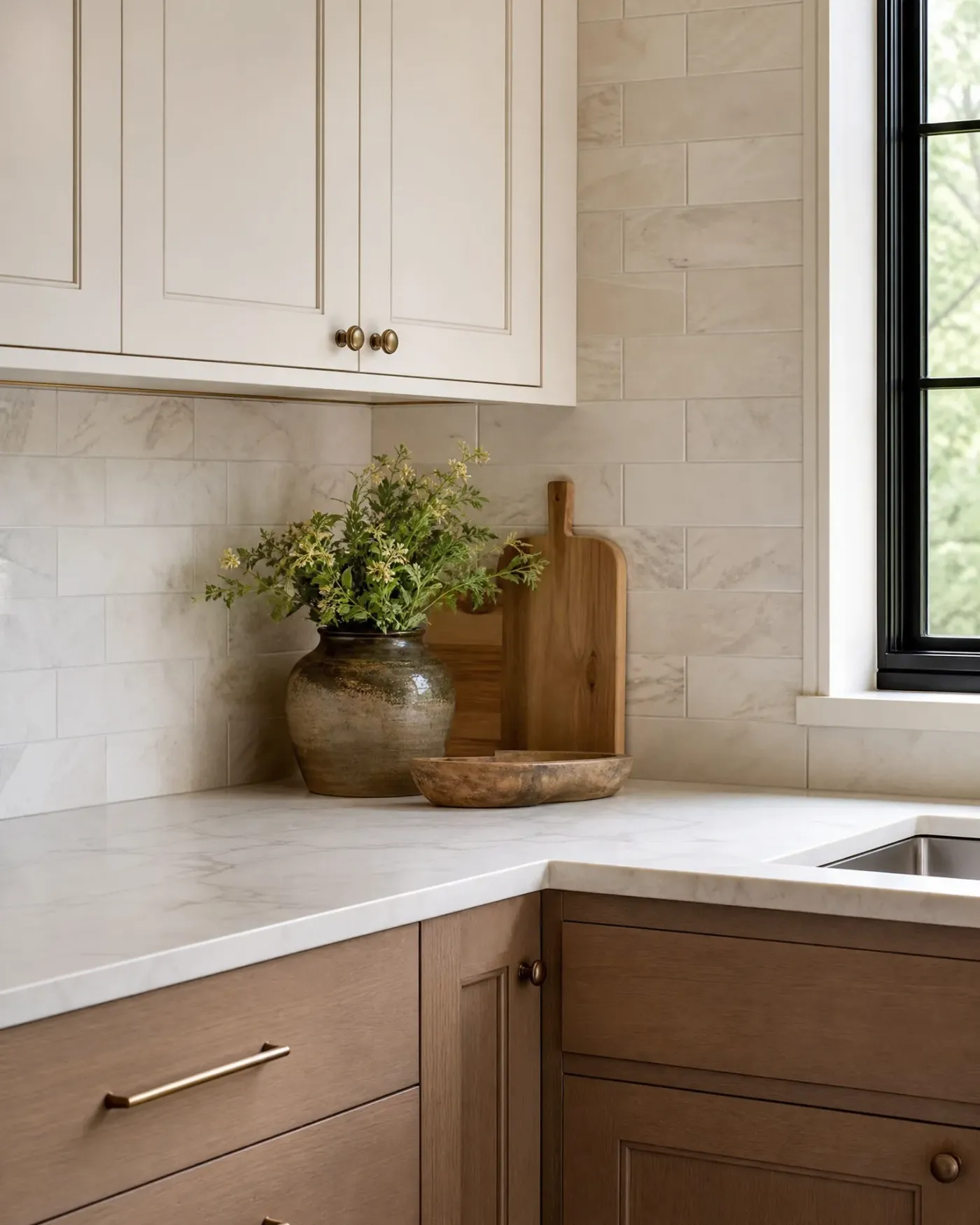
Kitchen corner with cream upper cabinets, oak lower cabinets, white marble-look countertop, beige tile backsplash, a ceramic vase of greenery, a wooden cutting board and bowl, and a black-framed window at right.
Interior corner of a room with a white-framed window and wide sill, beige walls with panel molding, a wooden cabinet holding a ceramic vase with a green leafy plant, and blurred shrubs and trees outside.
A wood-framed armchair with beige cushions and a woven lumbar pillow sits in a corner beside a large window overlooking green trees, with a tall ceramic vase holding leafy branches on the left and plaster walls and wood flooring.
Interior corner with a white-framed window above a sill, beige walls with baseboard molding, a greige shaker-style cabinet with brass knobs and a potted plant on top, light wood flooring and a woven jute rug.
A dark-framed six-pane window with white trim and sill set in gray horizontal lap siding, with hydrangea shrubs below and a white column and shingled roof section at left.

Get the right pro for your furnace

Your request goes to one pro, not a list of companies.

Find a licensed furnace pro

No fee to send it, and nothing to sign.