Furnace pilot light keeps going out in Oklahoma

Step 1 of 3: Equipment

A pilot light that won't stay lit usually comes down to one of three things. The thermocouple has worn out and no longer senses the flame well enough to keep the gas valve open. The pilot tube is clogged with dust or soot and the flame is too small or crooked to reach it. Or there's a draft inside the furnace, often from a cracked vent pipe or heat exchanger, that blows the flame out. Most gas furnaces in Oklahoma run from November into March, so this is the time of year a weak thermocouple finally gives out after sitting unused most of the year. A pilot that relights and goes out again within a day or two points to the thermocouple. One that won't even hold a flame for a few seconds points to gas flow or a draft problem, and that's worth having looked at before you run the furnace again.

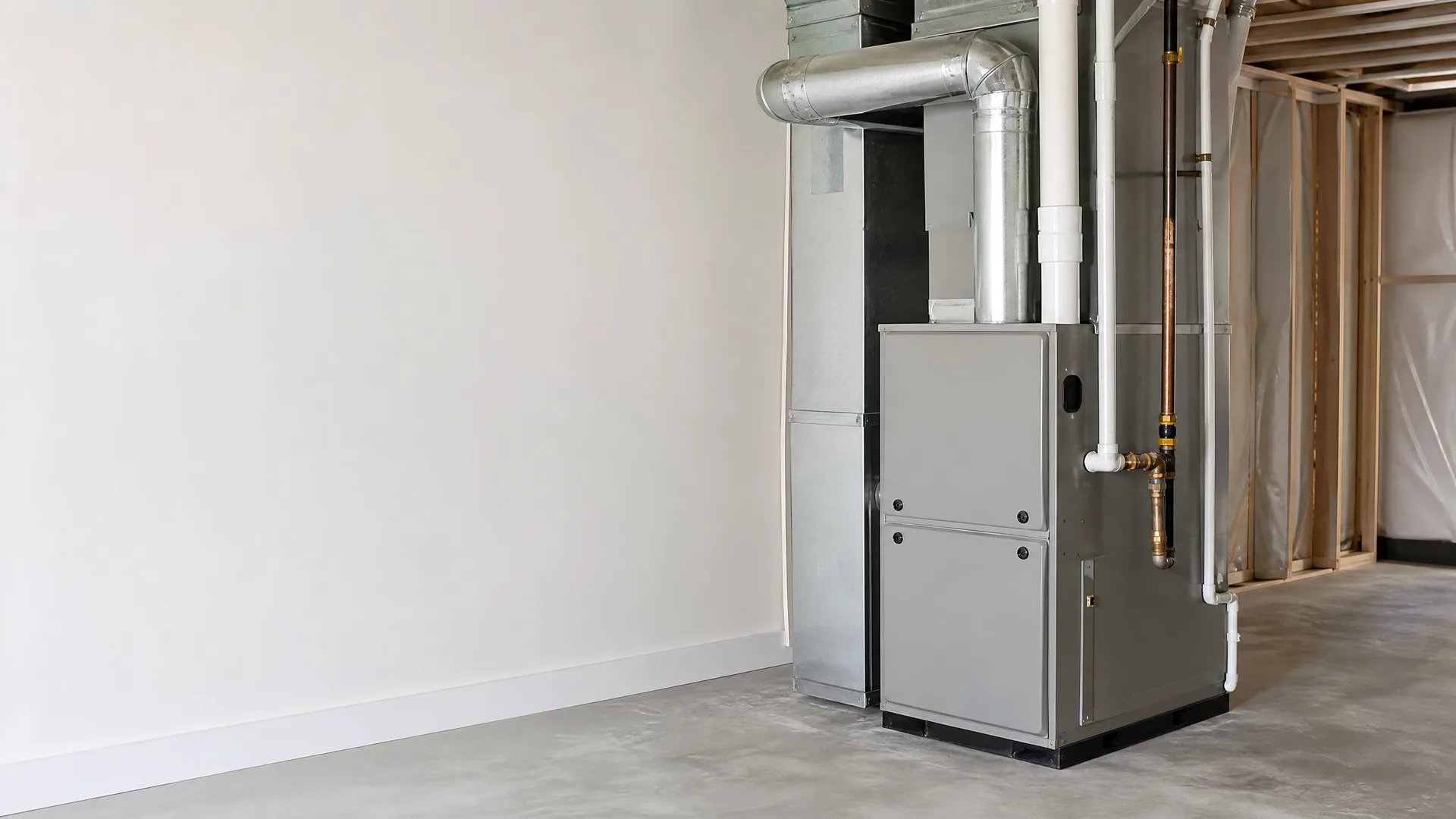
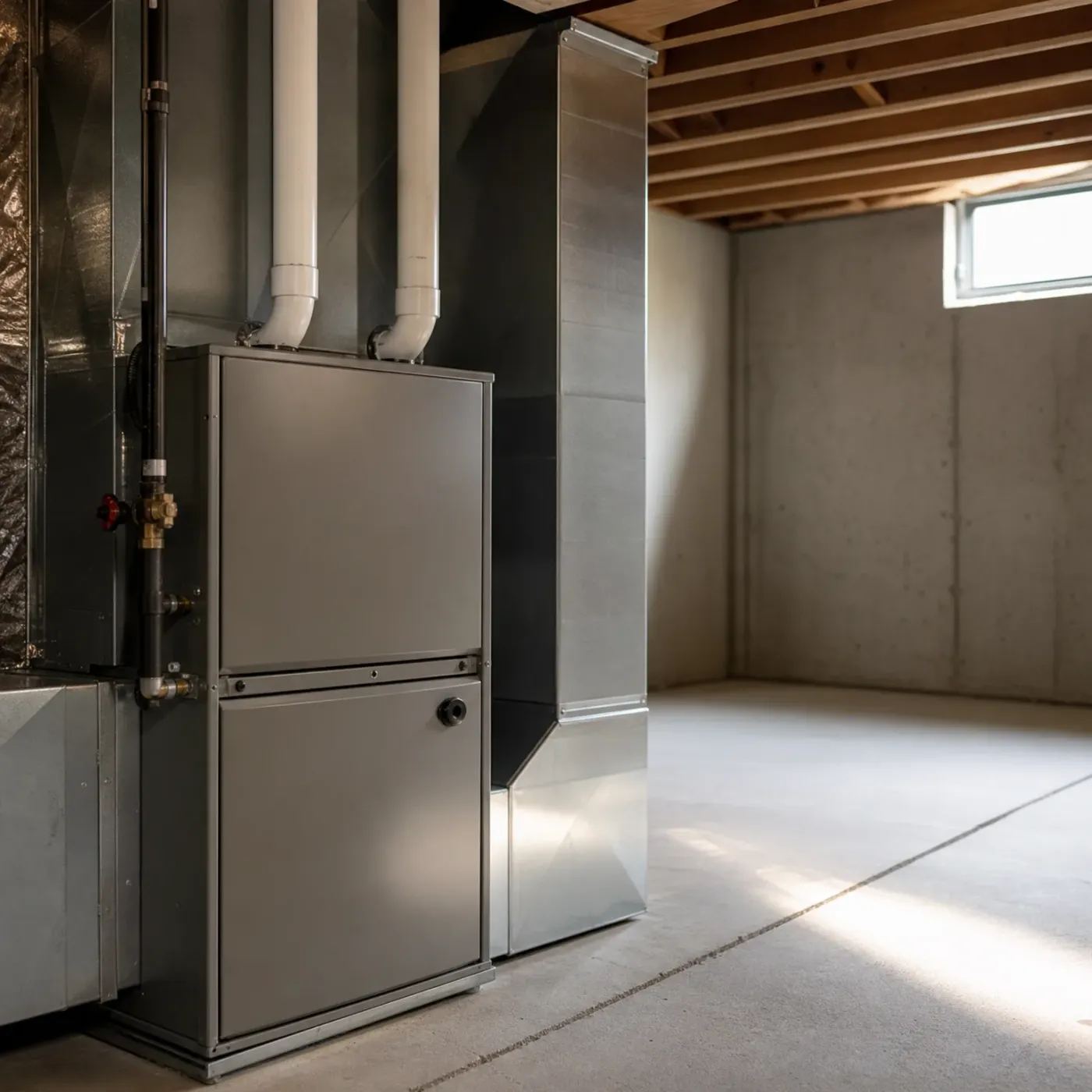
A gray high-efficiency furnace stands on a concrete basement floor beside galvanized sheet-metal ductwork, white PVC vent pipes, copper and black piping, and unfinished wood stud framing.

Pilot staying lit

When the thermocouple, pilot tube, and gas valve are all working right, the pilot burns steady and blue, and it stays lit through the coldest nights. The flame wraps around the thermocouple tip the way it should, so the gas valve gets the signal to stay open and keeps feeding the burners.
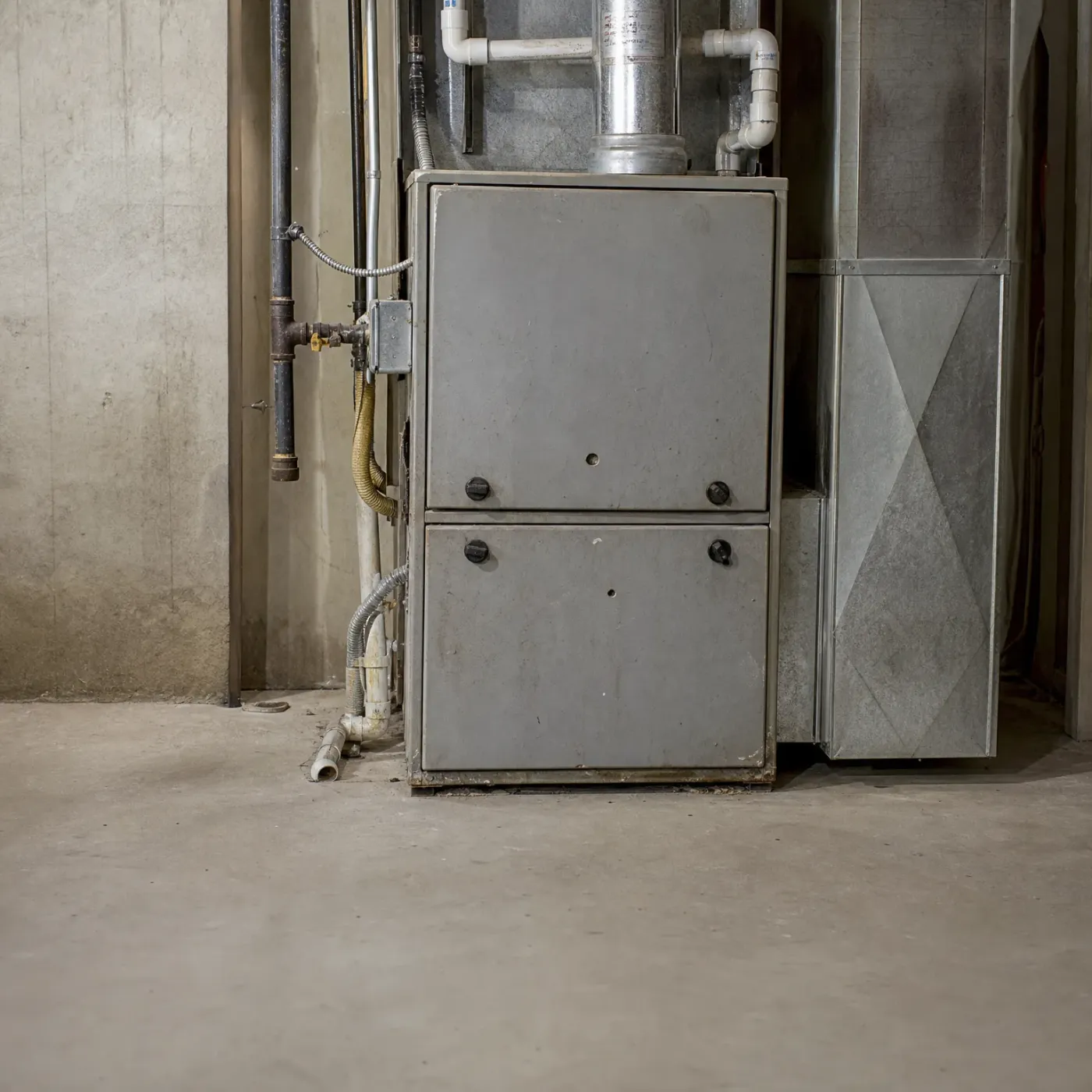
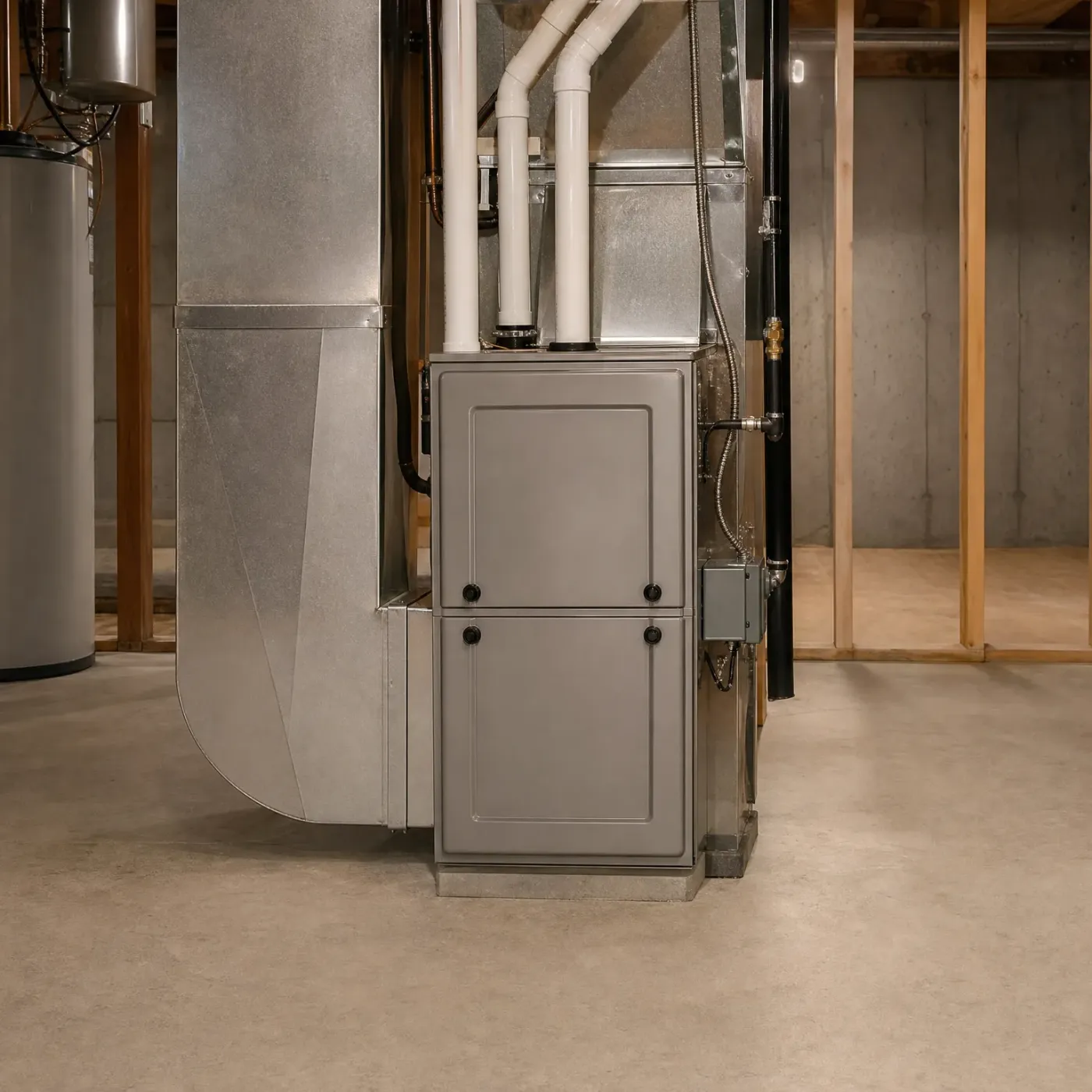
A gray furnace with two access panels stands on a concrete basement floor beside sheet-metal ductwork, with pipes, flexible conduit and an electrical box on the concrete wall to the left.

Pilot going out

A worn thermocouple, a clogged pilot tube, or a failing gas valve will let the flame flicker, shrink, or drop out, and the furnace shuts off gas to protect the house. You'll find yourself relighting it again and again, often right when you need the heat most.

Why does your pilot light keep blowing out at night?

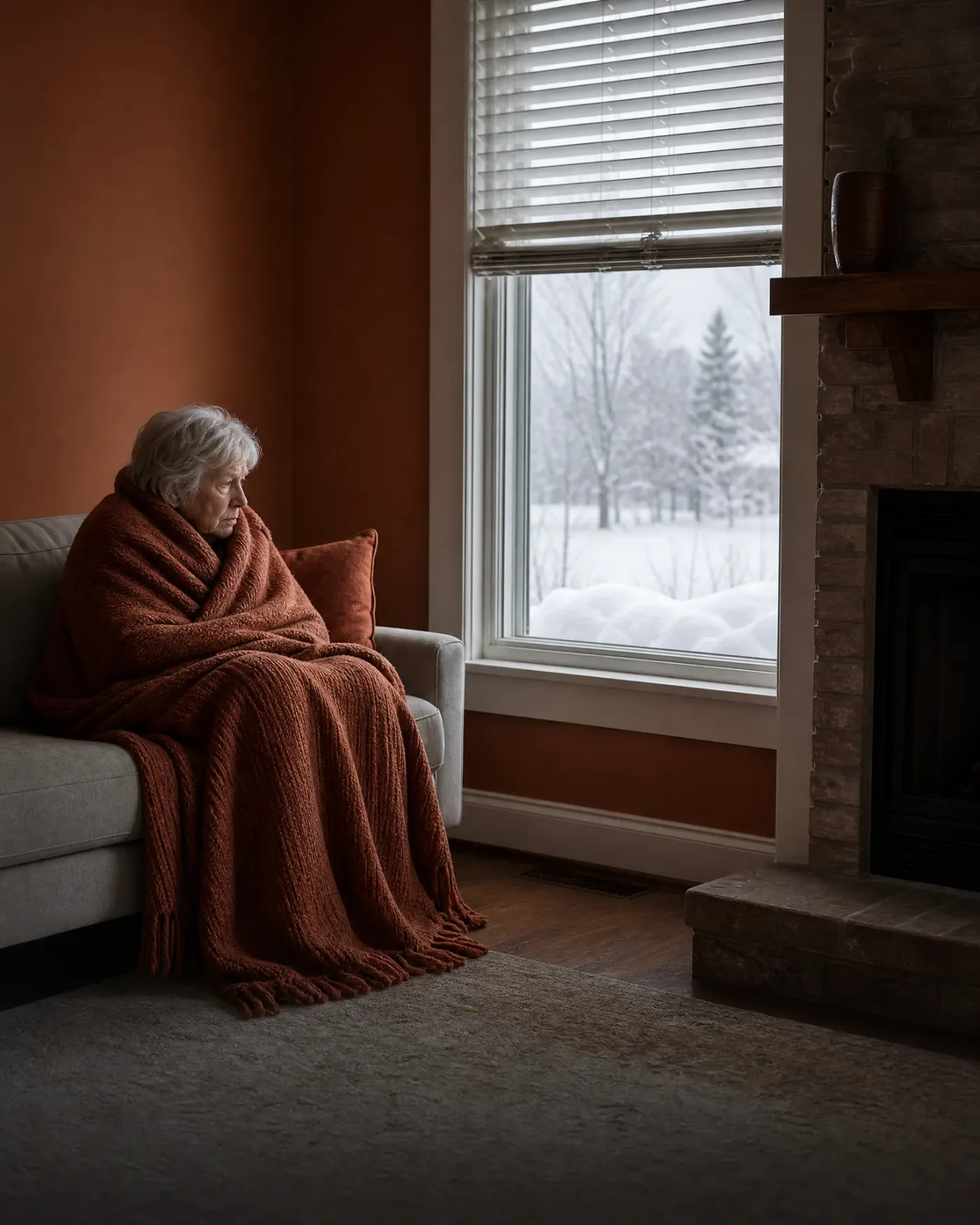
If you're relighting it every evening, or waking up to a cold house and a dead pilot, that's the thermocouple or a draft problem more often than not. You might notice the flame looks small or yellow instead of a steady blue, or it takes several tries with the gas knob before it catches. Some nights it holds, some nights it doesn't, which makes it tempting to ignore. But a furnace that won't keep its pilot lit isn't heating on the nights you need it most, and in an Oklahoma cold snap that means space heaters, extra blankets, and a house that doesn't warm back up until someone deals with it. Left alone, the relight pattern usually gets more frequent, not less.

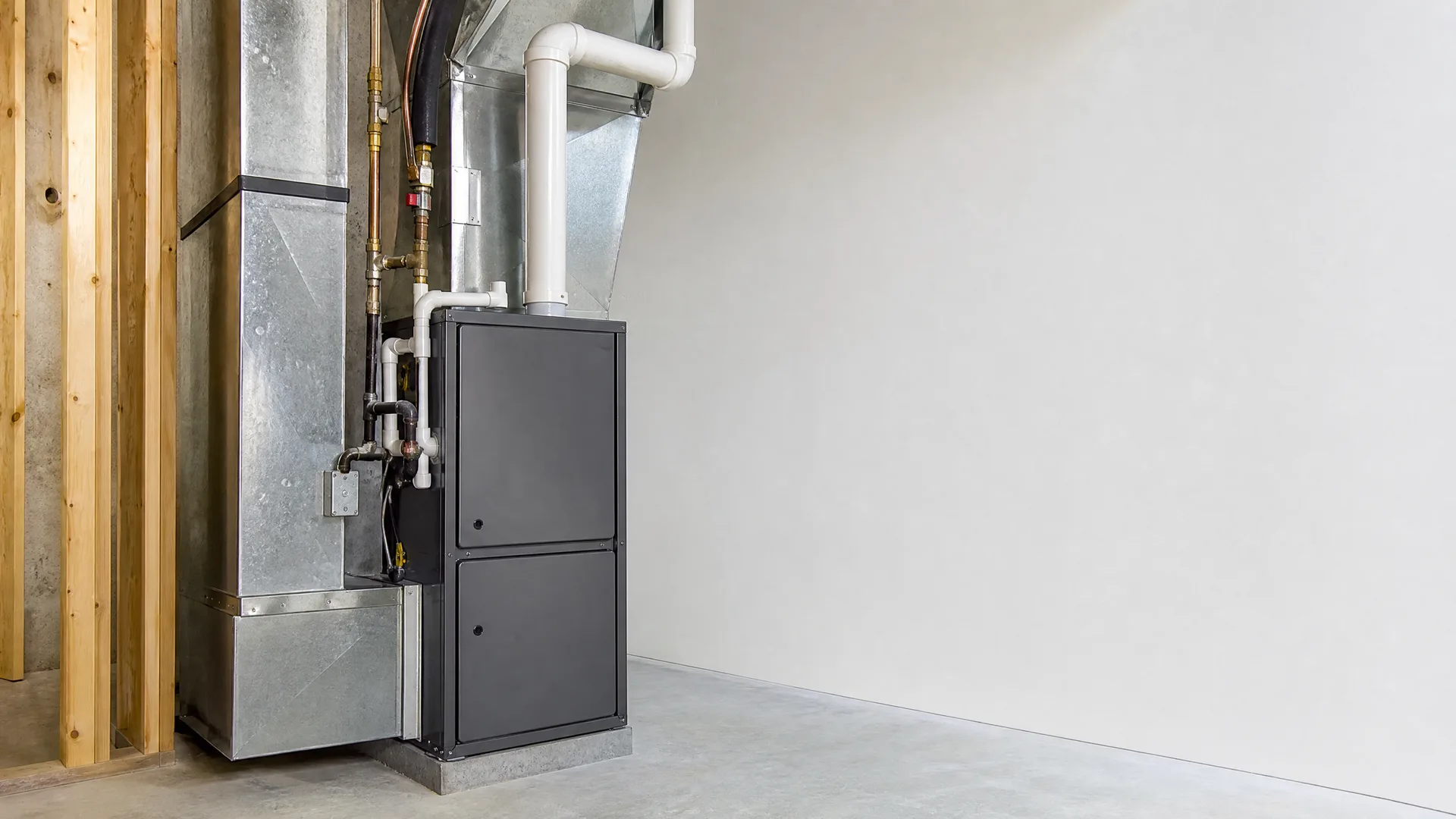
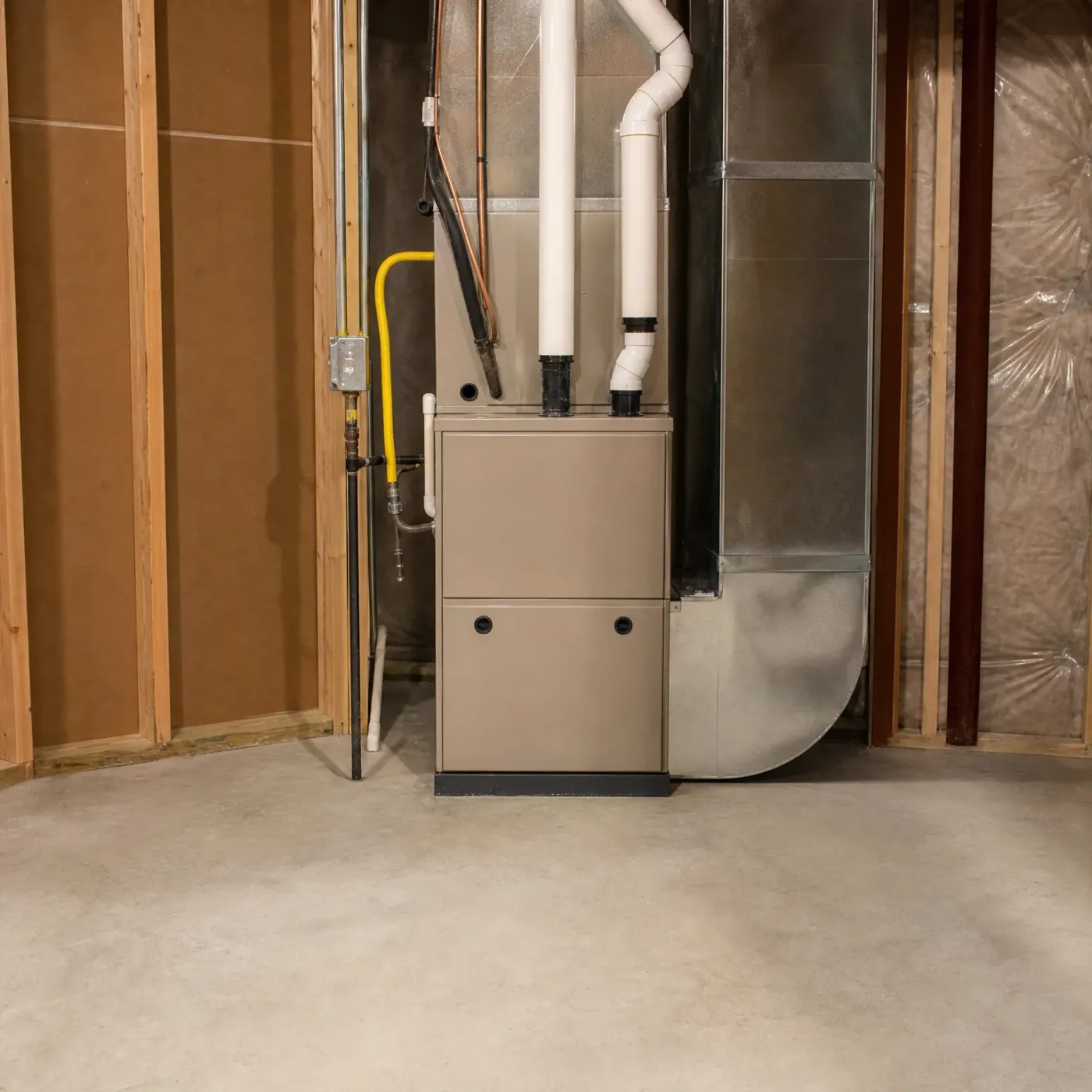
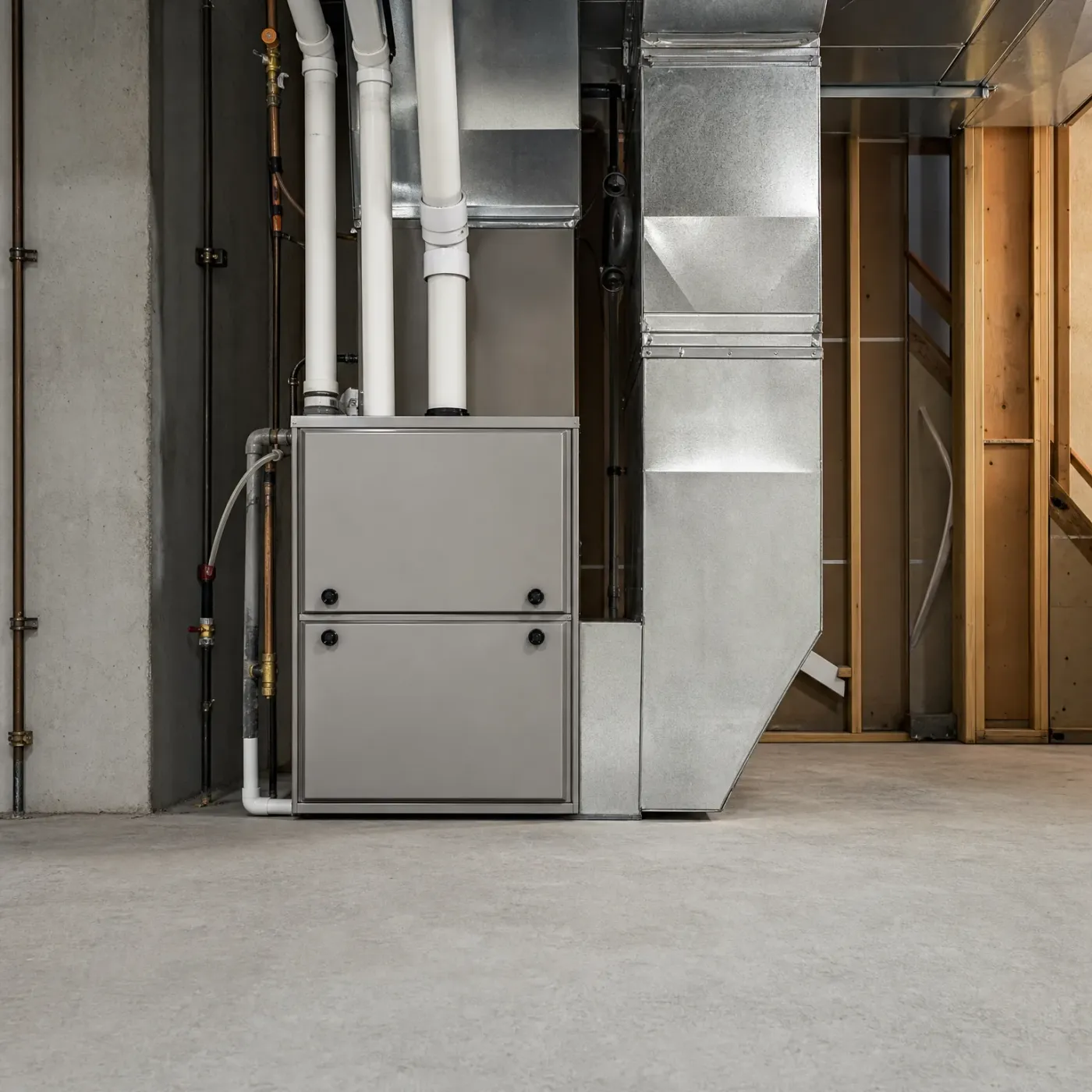
A gray high-efficiency furnace with white PVC vent pipes stands beside sheet-metal ductwork and a water heater in an unfinished basement with concrete walls and wood framing.

The flame doing its job

A steady pilot keeps the thermocouple warm enough to hold the gas valve open, so the furnace fires when the thermostat calls for it. In a setup like this, with the flue running straight out through PVC pipe, the pilot has no draft fighting it and stays put.

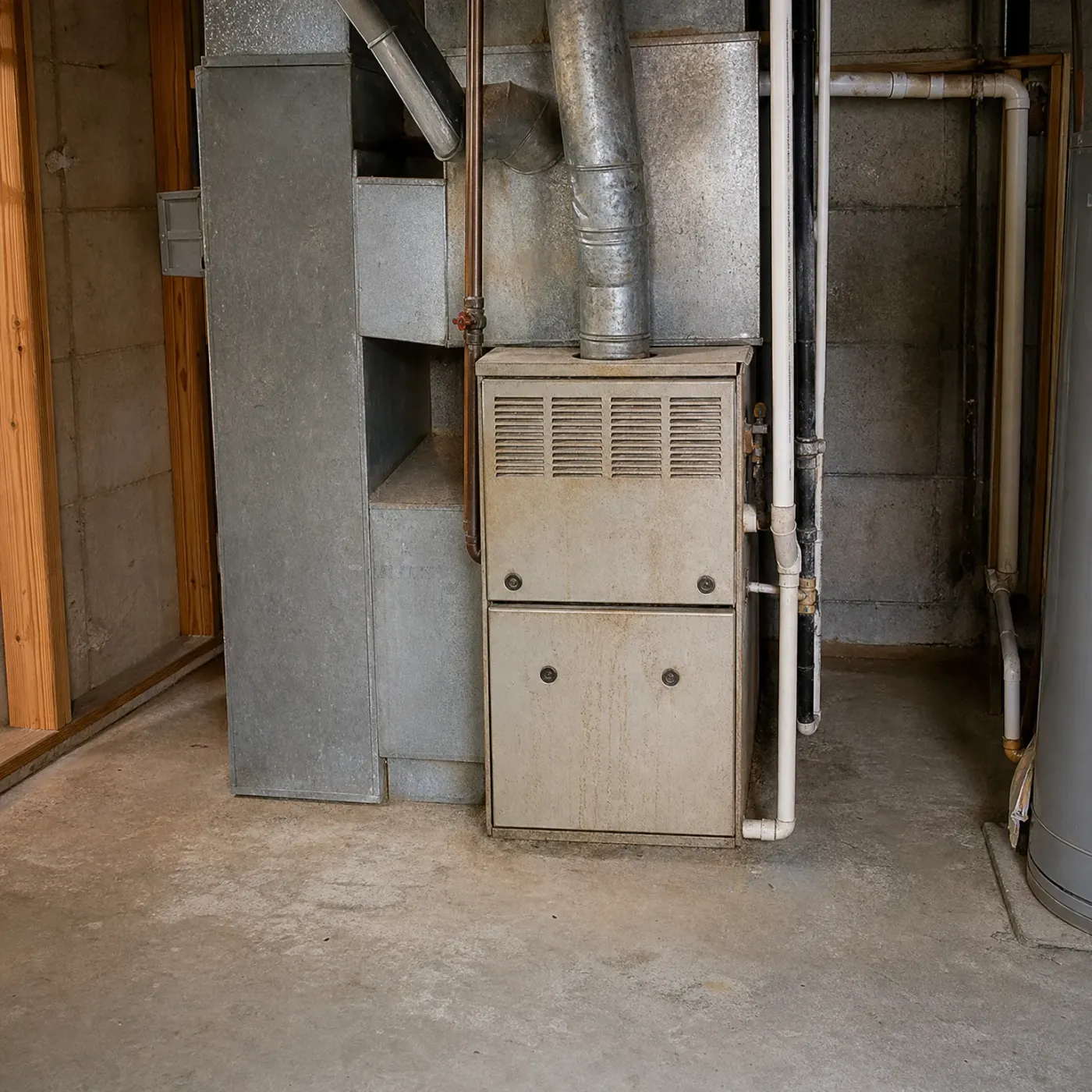
A beige gas furnace with a metal flue pipe stands in a basement against concrete block walls, beside sheet-metal ductwork, copper and white plastic pipes, and a water heater at right.

The flame losing the fight

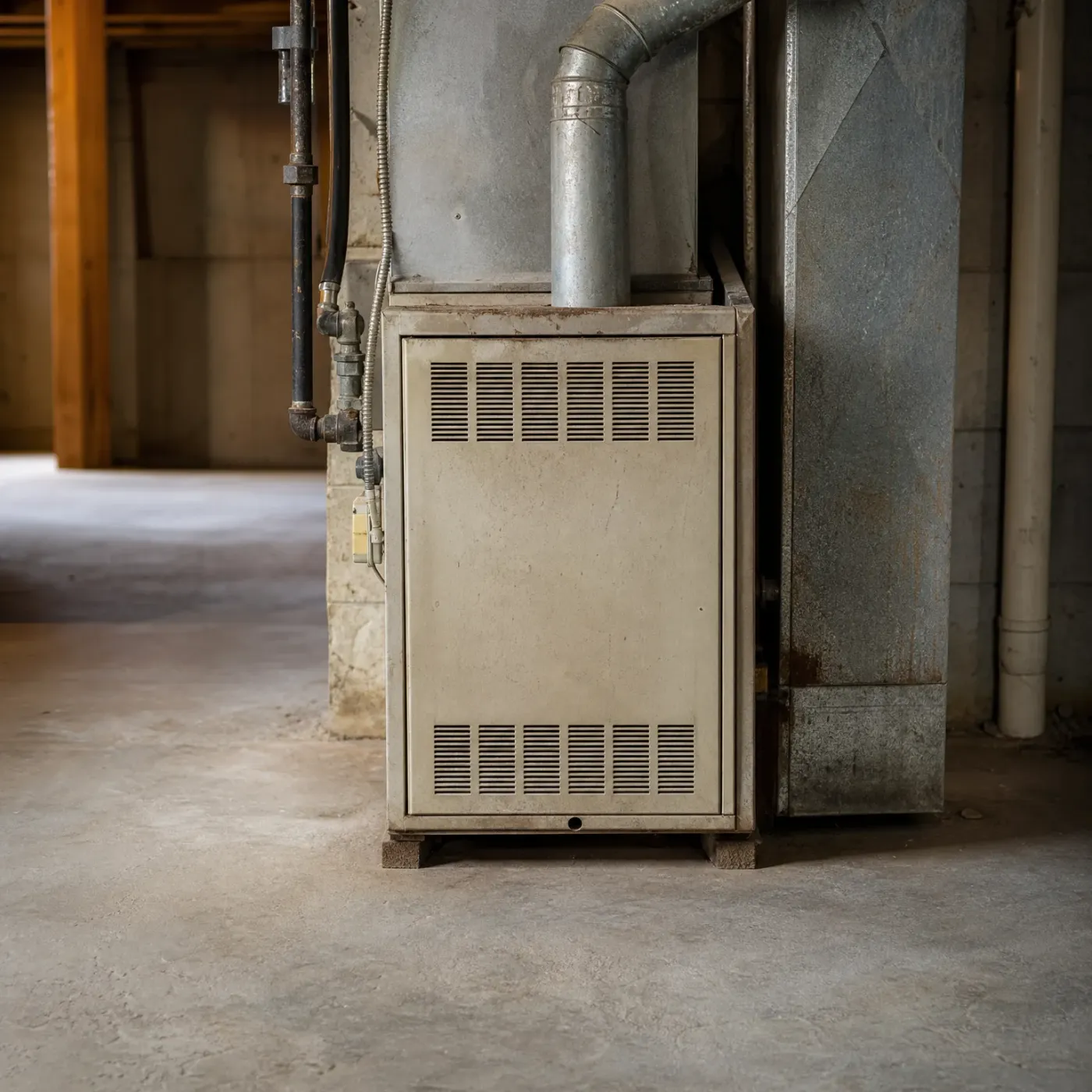
Older furnaces like this one, especially next to a block wall with ductwork overhead, are more exposed to drafts pulling at the pilot. A worn thermocouple, a sooty pilot tube, or a gas valve that's slow to respond can all leave you relighting it night after night.

Thermocouple or Gas Valve

Fix the thermocouple

  • A new thermocouple costs far less than a new gas valve, and it's the part that fails first in most cases.
  • A contractor can usually swap it out in one visit, and the pilot holds steady the same day.
  • If the furnace is otherwise sound and this is the only symptom, replacing just this part gets you back to heat without touching anything else.
  • Worn thermocouples show up more in furnaces that have run for years on the same pilot assembly, so age alone can explain it.
  • This fix doesn't help if the real problem is a draft pulling the flame off the tip, so it's worth confirming which one you have first.

Replace the gas valve

  • If the thermocouple tests fine but the valve won't hold or release gas properly, the valve itself is the part at fault.
  • A gas valve costs more than a thermocouple and the swap takes longer, since it's wired into the whole control system.
  • Once it's in, you're not dealing with the same failure again, since the valve was the actual point of failure, not a worn sensor.
  • A valve that's sticking or failing can affect more than the pilot, including how the main burner responds when the thermostat calls for heat.
  • This is the right call only after the cheaper parts have been ruled out, since most pilot problems don't start here.
A woman with long blonde hair in a light blue shirt leans back on a beige sofa with her eyes closed, in a softly lit living room with cushions and a blurred plant and shelf in the background.
A woman with long dark hair in a gray knit sweater sits on a gray sofa with a cushion, looking toward a window in a living room with framed pictures and a lamp in the background.
A woman with long dark hair in a light grey knit sweater sits on a sofa indoors, looking to her right, with a framed landscape picture, a potted plant and a curtained window behind her.
A woman with long dark hair leans back against a gray sofa with her eyes closed, in a living room with a curtained window, a potted plant, and a dark screen in the background.

The right pro for this job

Once you send the form, finding a pro is off your list.

There's no charge for the request.

A dark gray furnace connected to galvanized sheet-metal ductwork, white PVC vent pipes and copper piping, standing against a plain light wall in a room with a bare concrete floor and exposed wood framing at left.

How the thermocouple actually works

The thermocouple is a thin metal rod sitting in the pilot flame. Heat on its tip generates a small electric current, and that current holds the gas valve open. No current, no gas. So once the tip corrodes or the flame doesn't reach it square on, the valve reads it as no pilot at all and shuts off, even though you can see the flame burning right there.

A gray high-efficiency furnace with sheet-metal ductwork, white PVC vent pipes and copper piping stands against a wall in an unfinished basement with a concrete floor and insulated wood stud framing at right.

What a draft does to the flame

A furnace closet near an exterior door, a return vent close by, or a window that doesn't seal tight can all pull enough air to bend the pilot flame sideways. A flame that's leaning instead of standing straight won't heat the thermocouple tip evenly. That's often why the pilot holds fine during the day and goes out once the wind picks up at night, when Oklahoma's cold fronts tend to move through.

Is it safe to keep relighting the pilot myself?

Relighting the pilot has become part of the routine. It catches, it holds for a day or two, maybe less, then it's out again and you're back on your knees with a lighter. At some point it's worth asking whether doing this over and over is actually fine, or whether it's a sign to stop and get it looked at instead.

Relighting it occasionally is fine. Doing it every day is not.

Lighting the pilot the way the furnace manual shows, using the reset button and waiting the thirty seconds or so for the line to purge, is safe on its own. The risk isn't in the lighting, it's in what keeps putting it out. A thermocouple that's worn down, or a gas valve that's starting to fail underneath it, means gas is reaching the pilot in a way that isn't fully controlled. If you're relighting it more than once every week or two, that's not a pilot problem anymore, that's a part that needs a contractor's attention before it gets worse.

An older beige furnace with two louvered vent panels stands on a concrete basement floor, connected to galvanized ductwork and a metal flue pipe, with gas piping and flexible conduit on the wall behind.
Before you get your furnace repair
A beige high-efficiency furnace in an unfinished basement, with white PVC vent pipes, a yellow gas line, metal ductwork, and exposed wood framing on a concrete floor.
After you get your furnace repair

Winter nights average 30°F statewide

Overnight lows average 30°F across Oklahoma in December, January and February. A pilot that won't hold through a night like that leaves the furnace cold when you need it most, right when everyone's asleep.

NOAA nClimDiv 1991-2020 county normals weighted by homes

  1. Dust or soot narrows the pilot tube and starves the flame.

  2. The weak flame misses the thermocouple tip and barely warms it.

  3. Without enough heat, the thermocouple stops making its small current.

  4. The gas valve reads no current and shuts the gas off.

An older woman with short gray hair in a cream cable-knit turtleneck sweater smiles while looking to the side in a wooden kitchen, with a round loaf of bread on a board in the foreground and a lit candle by a dark window.
A woman with dark hair in a bun sits wrapped in a chunky knit blanket on a couch with a child resting his head on her shoulder, eyes closed, beside a lit lamp and bookshelf indoors.
A woman in a cream sweater and jeans stands in the open doorway of a white stucco house, holding the dark door, while a man in a dark quilted jacket seen from behind walks toward the entry past potted plants.

A pilot that won't hold is a part that's failed, not bad luck

Most of the time it's the thermocouple. Sometimes it's a dirty pilot tube or a draft finding its way to the flame. Either way, the furnace isn't being difficult. A part wore out or got dirty, and it needs a hand to fix, not another night of relighting it before bed.

Once you send the form, you're not the one tracking down a contractor anymore. A contractor who handles this kind of repair gets your information and reaches out to you about your furnace. That's one less thing to manage on top of keeping the house warm through an Oklahoma winter.

Interior corner of a dining room with a round wooden table, a ceramic vase holding olive branches, a dark spindle-back chair near a curtained window, and a sideboard with a lamp against beige walls.
A gray furnace with PVC vent pipes and sheet-metal ductwork stands against a wall in an unfinished basement with concrete floor and walls, exposed wood joists, and a small window.

Matched to your furnace job

Hand it over

After you send the request, you're done searching.

You only hire the pro if you want to.