Tell us about the job
Takes about a minute. No obligation.
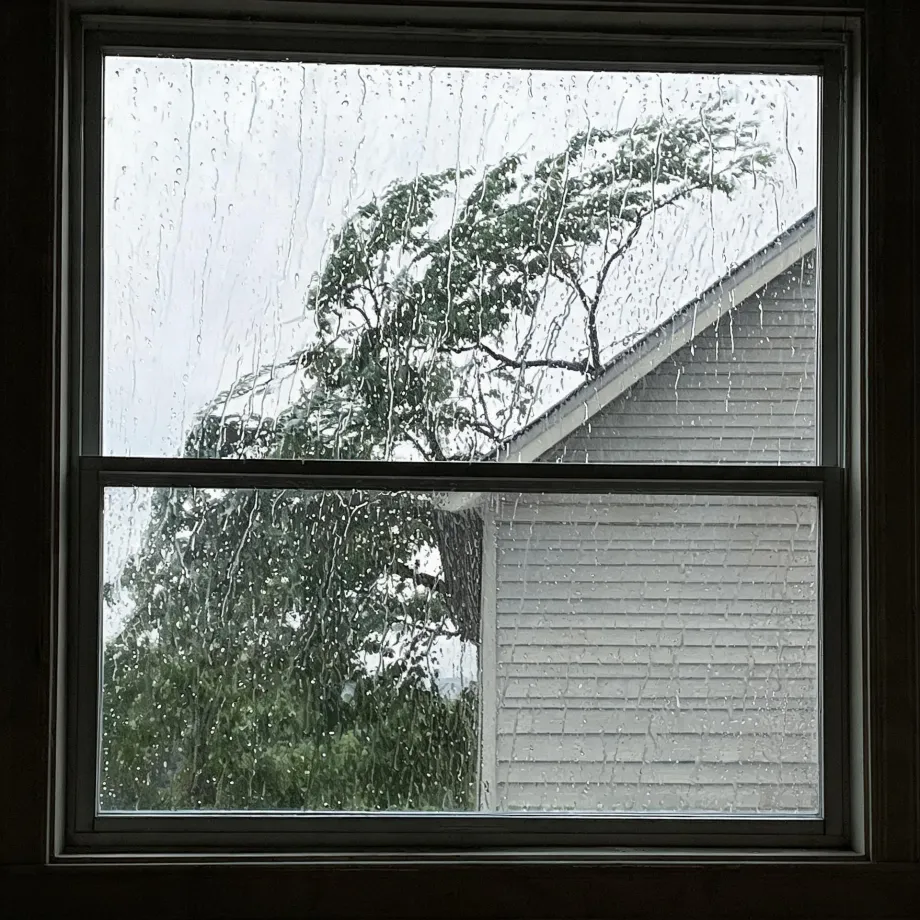
A furnace running in this county has been working against conditions that add up. 525 severe weather events were recorded in Tulsa County, Oklahoma between 2015 and 2024. At that rate, heat exchangers, pressure switches, and draft inducers carry a real cumulative load, and a contractor diagnosing a repair has to account for it before settling on a cause. What looks like an age-related failure on a relatively young unit often has stress history behind it. The contractor checks those components first.
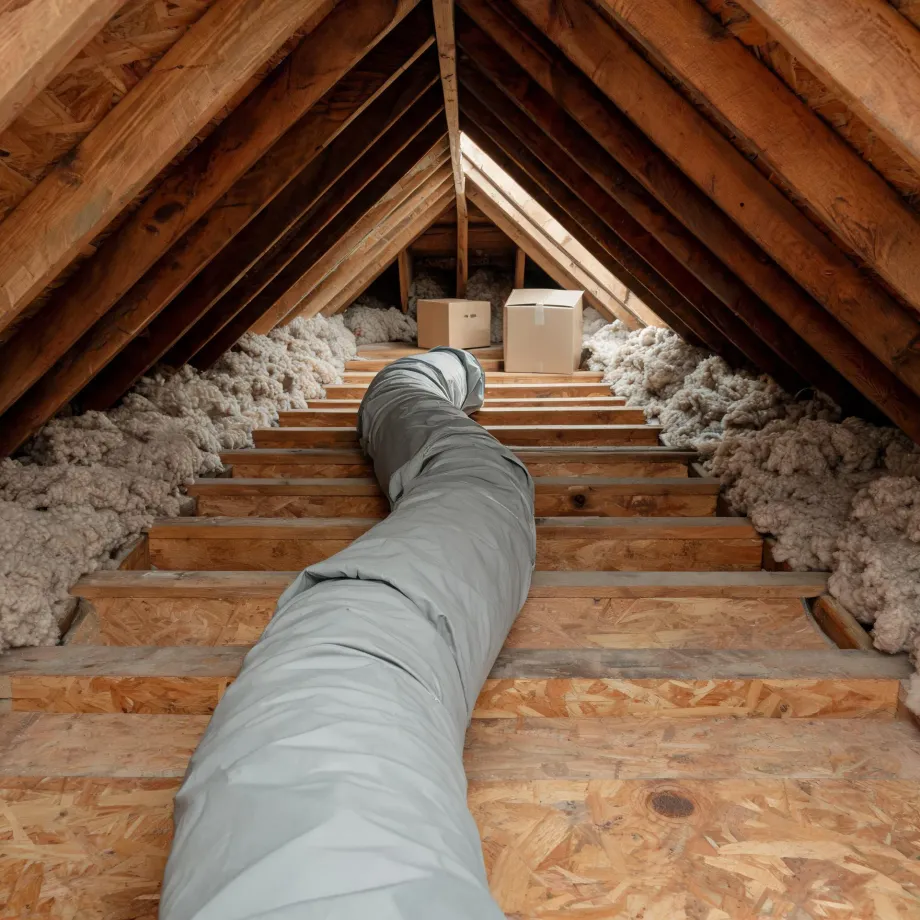
Furnace parts do not age uniformly, and in housing stock this old the gap between what a system takes and what a manufacturer still makes is the variable a contractor has to resolve before the job has a price. Half the homes in Tulsa County, Oklahoma were built in 1979 or earlier (2020-2024 ACS 5-year). A furnace running in a house from that era has almost certainly been serviced, patched, and partially replaced more than once, which means the opened unit is a layered assembly rather than a factory configuration. What the contractor finds inside determines whether the repair is a parts swap or a conversation about what is and is not still made.
The Parts of a Furnace a Contractor Checks First
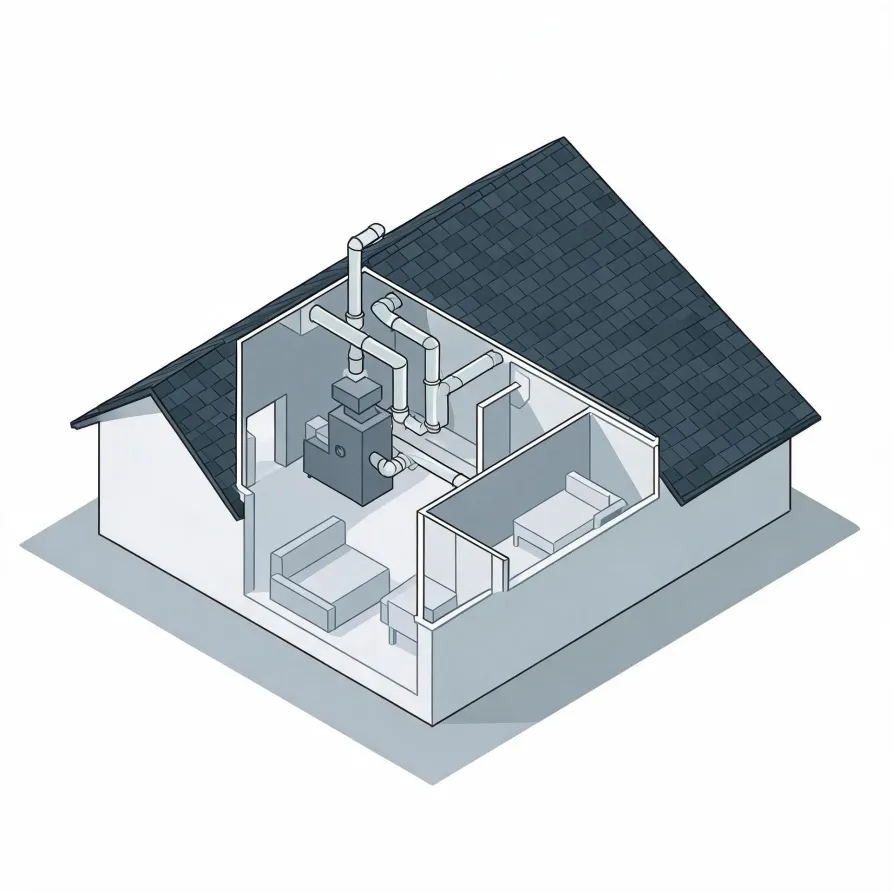
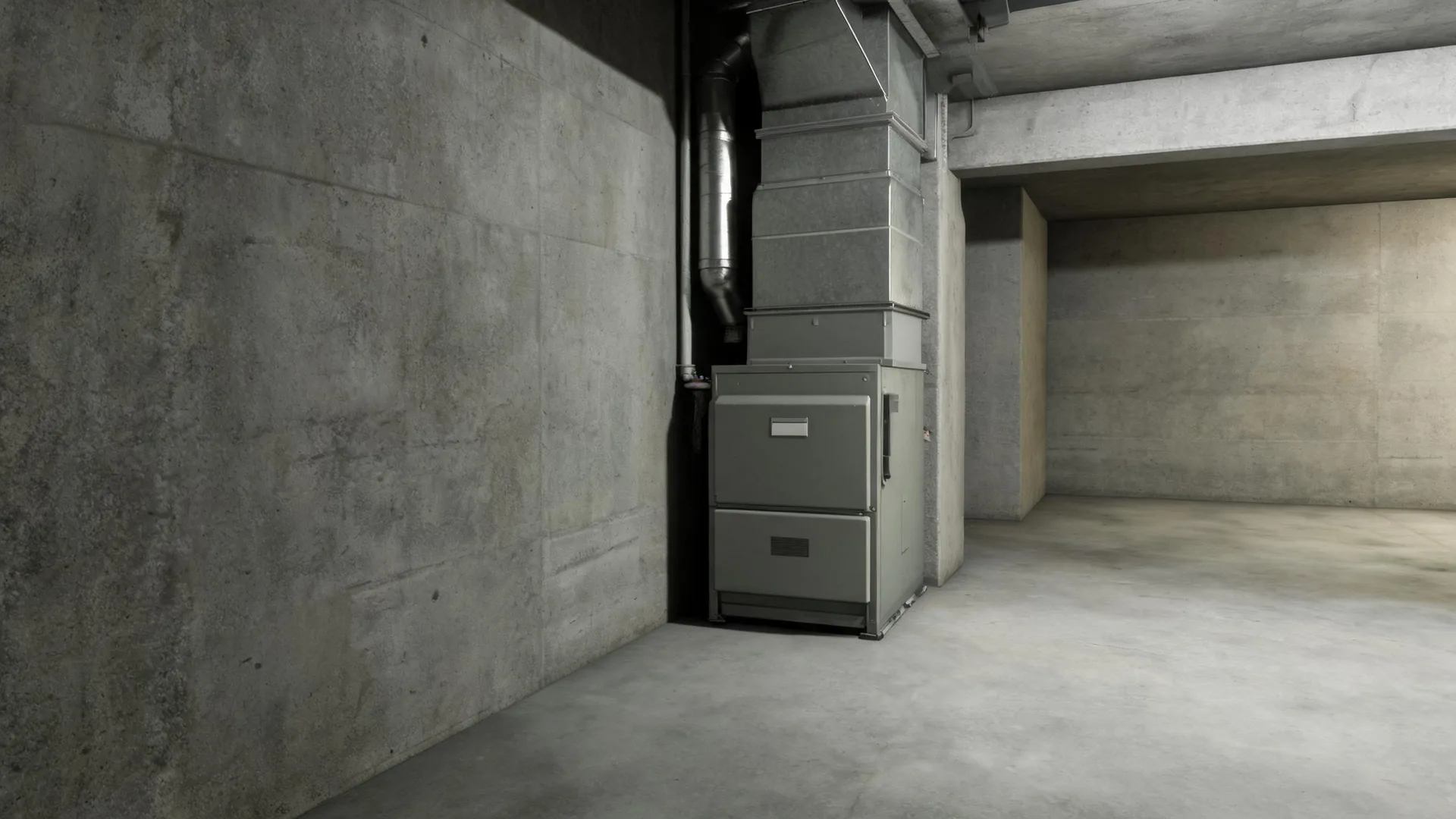
The furnace itself sits in a utility room, basement, or closet and is the piece that generates heat. Inside it, the heat exchanger is the part contractors look at closely when something feels wrong: cracks there let combustion gases into the living space, and a failed exchanger is a serious problem. The burners feed that exchanger, and when heat is uneven or the unit short-cycles, that is where a contractor starts.
The blower motor pushes conditioned air out through the supply side of the system, and when it fails the furnace runs but nothing moves. The flue pipe carries exhaust gases out of the house, and a blockage or separation there shows up as a safety lockout or an unexplained shutdown. The thermostat and the control board sit at opposite ends of the signal chain, and either one can be the source when the system will not start.
The drawing shows the general layout of a furnace system, and a licensed contractor determines which components apply to your specific home.
Get matched in Tulsa CountyTulsa County, by the numbers
525 severe weather events were recorded in Tulsa County, Oklahoma between 2015 and 2024.
NOAA National Centers for Environmental Information, Storm Events Database, bulk CSV export, events 2015-01-01 through 2024-12-31.Half the homes in Tulsa County, Oklahoma were built in 1979 or earlier (2020-2024 ACS 5-year).
U.S. Census Bureau, 2020-2024 American Community Survey 5-Year EstimatesTulsa County, Oklahoma holds 297,882 housing units (2020-2024 ACS 5-year).
U.S. Census Bureau, 2020-2024 American Community Survey 5-Year EstimatesOwners occupy 59.7% of the occupied homes in Tulsa County, Oklahoma (2020-2024 ACS 5-year).
U.S. Census Bureau, 2020-2024 American Community Survey 5-Year EstimatesRules & Standards Behind Furnace Repair in Tulsa County, Oklahoma6 sourced rules and standards
What the repair visit looks like
Non-weatherized gas furnaces manufactured on or after November 19, 2015 must reach 80.0 percent AFUE.
Non-weatherized oil-fired furnaces manufactured on or after November 19, 2015 must reach 83.0 percent AFUE.
Mobile home gas furnaces manufactured on or after November 19, 2015 must reach 80.0 percent AFUE.
Non-weatherized gas furnaces manufactured on or after December 18, 2028 must reach 95.0 percent AFUE, up from the 80.0 percent minimum that applies to units manufactured before that date.
Licensing and Legal Requirements in Tulsa County, Oklahoma
An Oklahoma mechanical licence is valid statewide, and a contractor licensed by a local authority who works only in that locality is not required to hold the state licence at all.
Oklahoma requires a Construction Industries Board licence for mechanical work: nobody may do or advertise mechanical work as a journeyman or contractor without the right licence.
Severe Weather Events in Tulsa County
Weather in Tulsa County puts real load on furnaces, from hard freezes that force systems to run without rest to sudden swings that stress components already working at their limit. How often that happens here shapes what breaks, when it breaks, and what a local repair contractor sees most.
525 severe weather events, 2015–2024. Source: NOAA National Centers for Environmental Information, Storm Events Database.