29°F
That's the average low in Tulsa from December through February. A furnace that hesitates or short-cycles on a night that cold leaves the house dropping fast until someone fixes it.
One form instead of hunting for a pro who does furnace tune-ups.
Skip the callsYou haven't turned the furnace on since last winter and the first cold snap is coming. You'd rather have it checked now than find out it won't fire on the night it drops into the 20s. The question is when to get that done so you're not scrambling once the weather turns in Tulsa.
A furnace that sat unused since spring needs to prove it still fires safely and holds up through a long cold stretch. September and October give a technician time to find a cracked heat exchanger, a weak igniter or a clogged filter before you need the heat to actually work. Tulsa winters turn cold fast, and once that first hard freeze hits, every furnace in the county gets asked to run for hours at a time. A furnace checked in October is one less thing to worry about in January. Wait until November or later and you're competing with everyone else who waited too, right when a breakdown means a cold house instead of a minor fix.
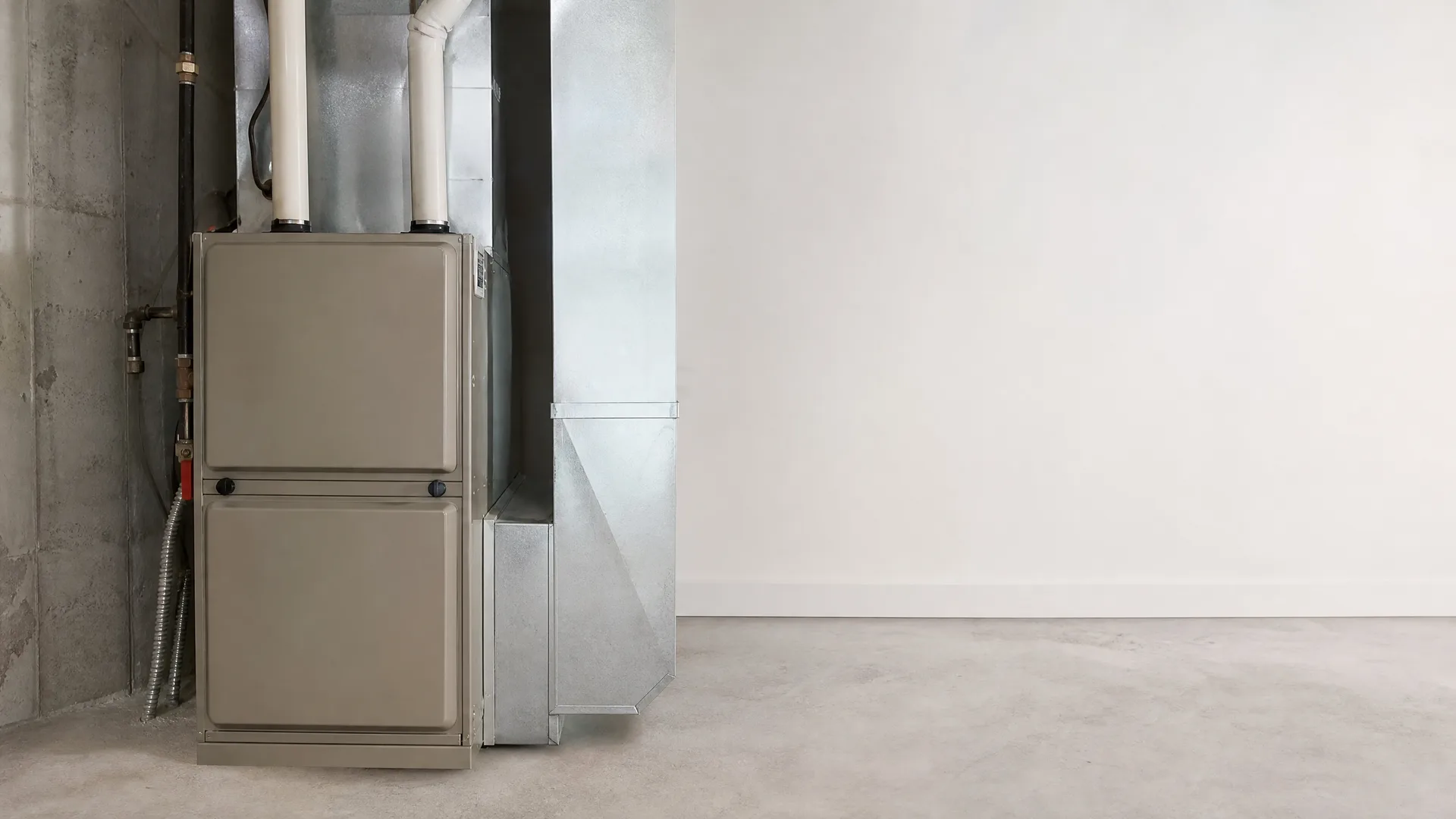
A technician checks the igniter or pilot, tests the flame sensor, and looks at the heat exchanger for cracks. Gas pressure gets checked at the valve, and the blower motor and belts, if there are any, get inspected. Most furnaces built in the last couple decades are direct drive with no belt at all. The technician also checks the flue to make sure exhaust is venting outside and not back into the house.
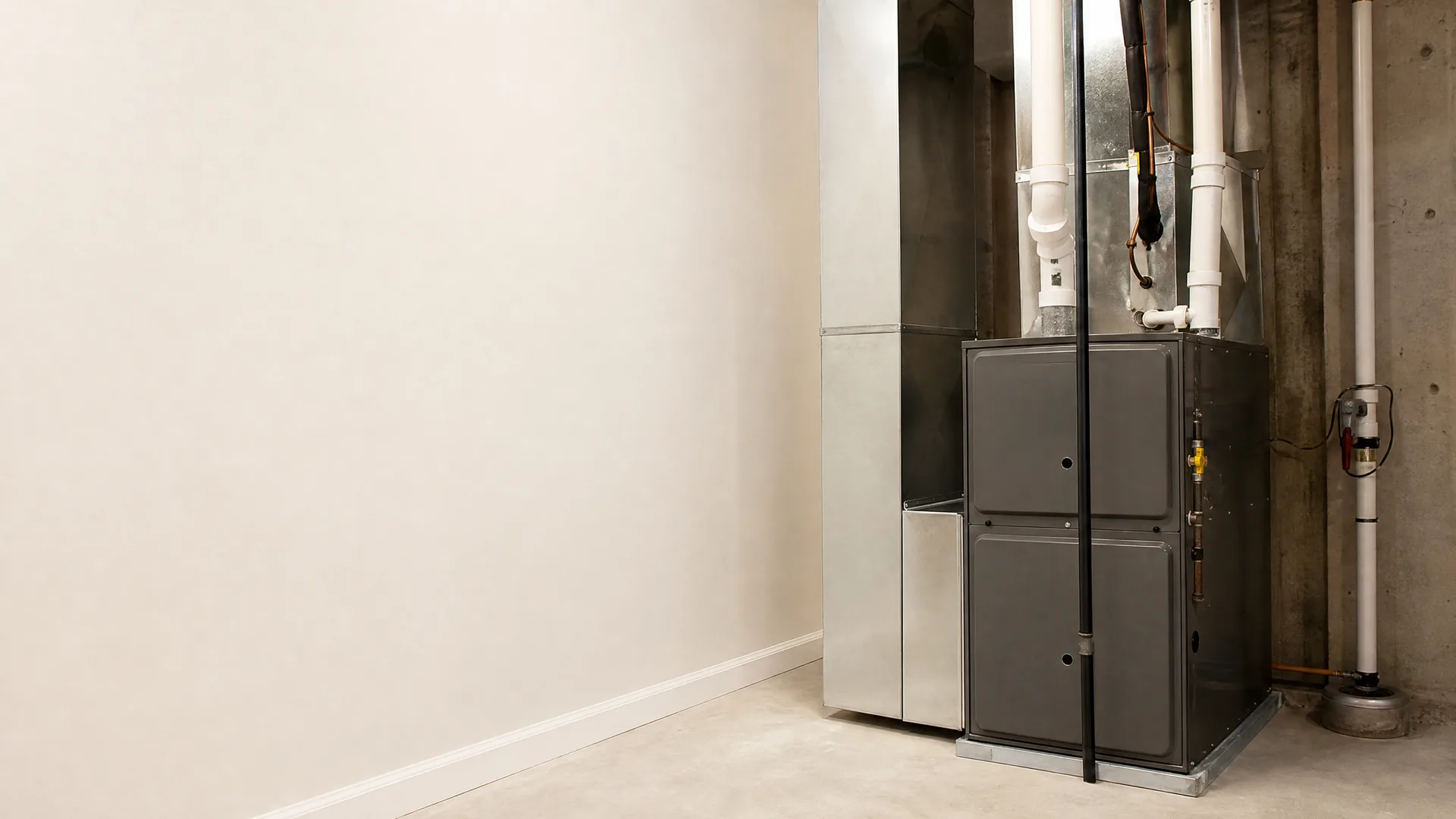
The flame sensor is a small rod near the burner that confirms gas is actually burning once the igniter lights it. If it gets coated with residue, the furnace can shut itself off seconds after starting, thinking there's no flame when there is. This is one of the most common reasons a furnace won't stay running once the weather turns cold, and it's quick to clean during a tune-up before it strands you on a cold night.
Winter nights average 29°F
Winter nights here average 29°F, December through February. That's cold enough that a furnace running rough, or not firing at all, isn't something you find out about gently.
Heat runs October through April
Furnaces in Tulsa County run about seven months a year, October through April. That's most of the year asking a lot of a system that gets checked, if it gets checked, once.
62.1% of homes heat with gas
62.1% of homes in Tulsa County heat with gas. If yours is one of them, a tune-up means someone checking the burner and the heat exchanger, not just a filter swap.
NOAA nClimDiv 1991-2020 · ACS 2020-2024
You call once. A technician who works on furnaces around Tulsa all winter comes out, checks the igniter or pilot, the flame sensor, the heat exchanger, the gas pressure, and the blower, and tells you straight what it needs. If something's worn, you hear about it in October instead of on a night when it's 25 degrees outside and the furnace won't fire. You skip the part where you'd otherwise be searching for someone, calling two or three companies, explaining the same thing each time, and waiting to see who calls back first. One contractor, already familiar with the furnaces common in this area, takes the call and handles it.
You can also wait and see. Plenty of furnaces run through December without a tune-up and nothing goes wrong. But if a part is already weak, the cold is what finds it, usually on one of the nights it's working hardest to keep up. That's when you're calling around while it's actually cold, trying to get someone out fast, with less room to compare and less patience for it. A furnace that gets looked at before winter has already had its weak points found while there was time to deal with them. Either way the furnace probably runs. The difference is whether you find out it needed help before or after you needed the heat.




That's the average low in Tulsa from December through February. A furnace that hesitates or short-cycles on a night that cold leaves the house dropping fast until someone fixes it.
A cracked heat exchanger or a flame sensor going bad doesn't always announce itself. A tune-up catches it on a mild afternoon instead of a night in the 20s.
Maybe it clicks a few times before it catches, or doesn't catch at all. Maybe the first few minutes blow air that isn't quite warm yet, or you've noticed a burnt dust smell when it kicks on after sitting all summer. A pilot light that's gone out, a blower that comes on louder than you remember, a room that never gets as warm as the rest of the house. None of these mean you're stuck in the cold tonight. But a furnace that's already hesitating in October usually doesn't fix itself by January, and a cracked heat exchanger or a flame sensor going bad won't announce itself clearly until the furnace stops running or starts doing something worse.
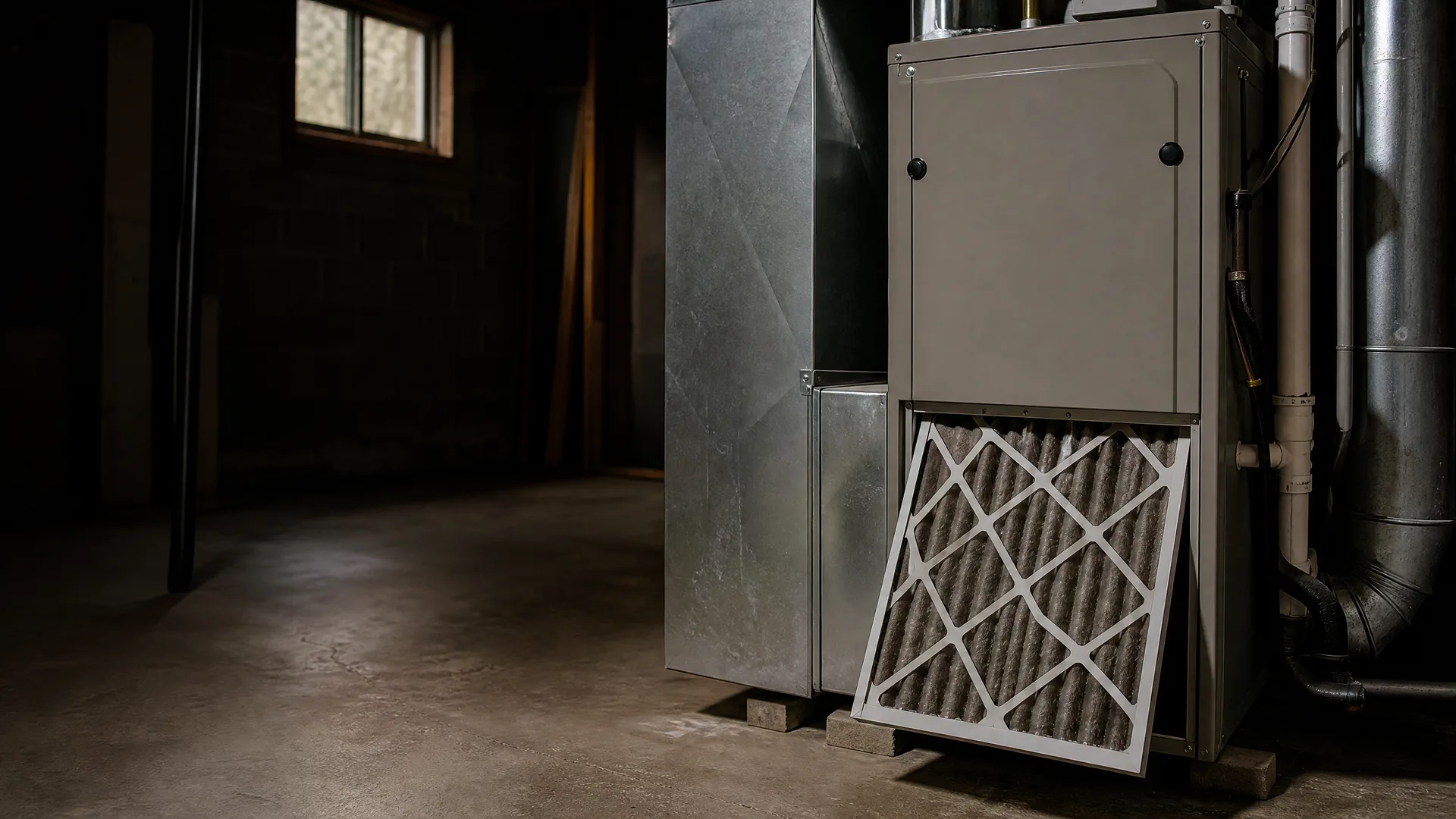
You're down in the basement on a Saturday afternoon, the light coming in low through the window well. The furnace has been sitting untouched since March, and you've pulled the filter out to check it before the cold gets here. It's grey, matted with dust, the pleats barely visible anymore. You hold it up to the light from the bare bulb overhead and can't see through it at all. Upstairs the kids are watching something, and you're thinking about the lists of contractors you'd have to call, the explaining you'd have to do more than once, before anyone actually came out to look at the rest of it.
A licensed pro who works in Tulsa County gets your request.
You only hire the pro if you want to.
Most of what fails in a furnace gives a reading before it gives a symptom. A flame sensor is a thin rod that sits in the burner flame and proves to the control board that gas is actually burning, not just flowing. A microamp test measures how strongly it's sensing that flame, and a sensor can pass today, read weak next month, and fail outright the week it finally gets cold. Static pressure is measured with a manometer at the filter and the ductwork, and a reading outside what the furnace is built for means the system is working harder to move air than it should, which wears on the heat exchanger over time. The blower motor has a rated amp draw on its nameplate, and comparing that to what it's actually pulling shows a motor heading toward failure before it stops moving air. Combustion analysis puts a probe in the exhaust to measure carbon monoxide directly, which isn't something a flame's color can tell you reliably. Ignition timing, how long the burner takes to light once it's called for, points to a gas valve or control board problem before it leaves you without heat on a cold morning. And a limit switch, which shuts the burner off if the furnace overheats, gets checked against the actual temperature it's supposed to trip at, not just tested for a closed circuit. None of these are visual checks. They're the difference between a furnace that looks fine and one that's actually set up to get through the winter.
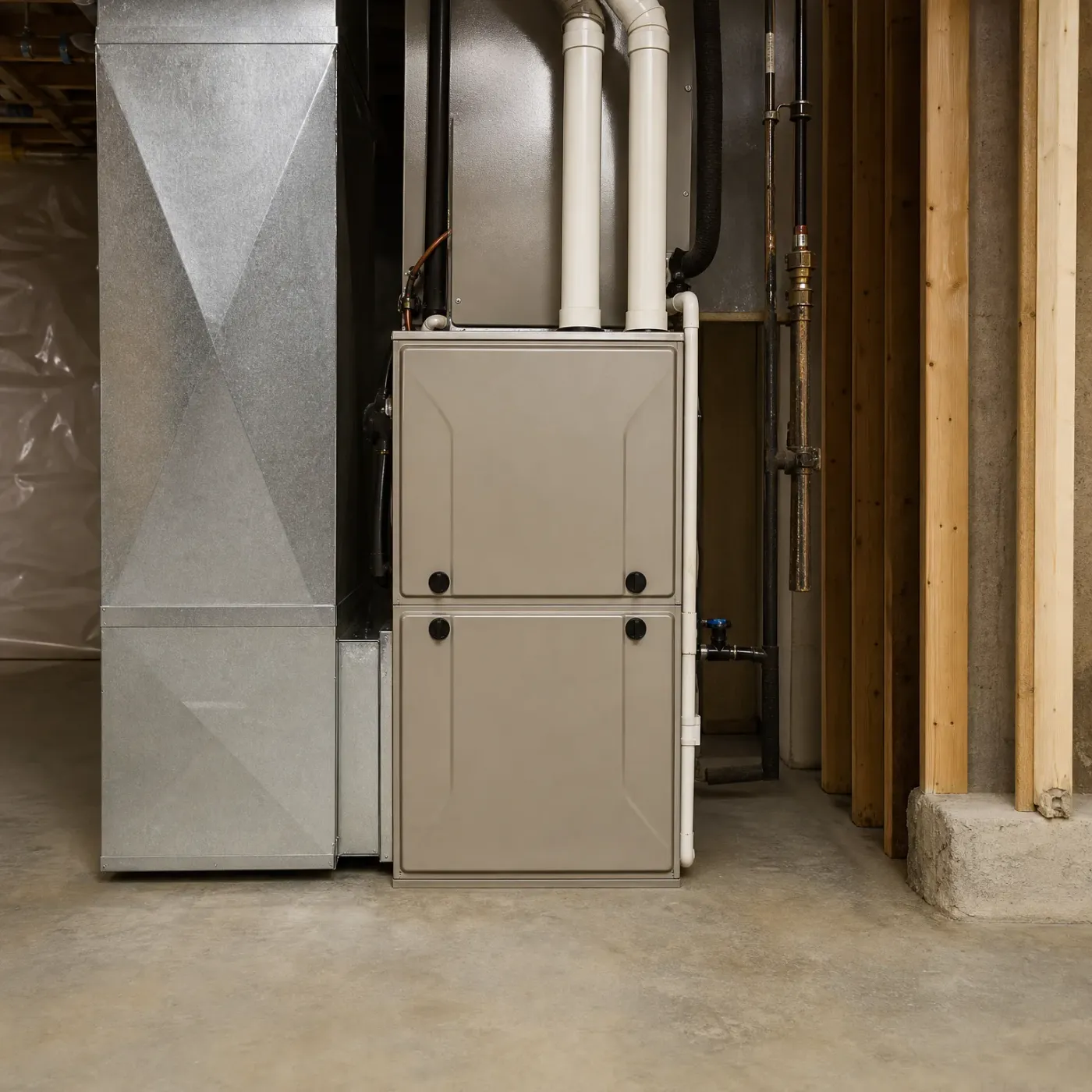
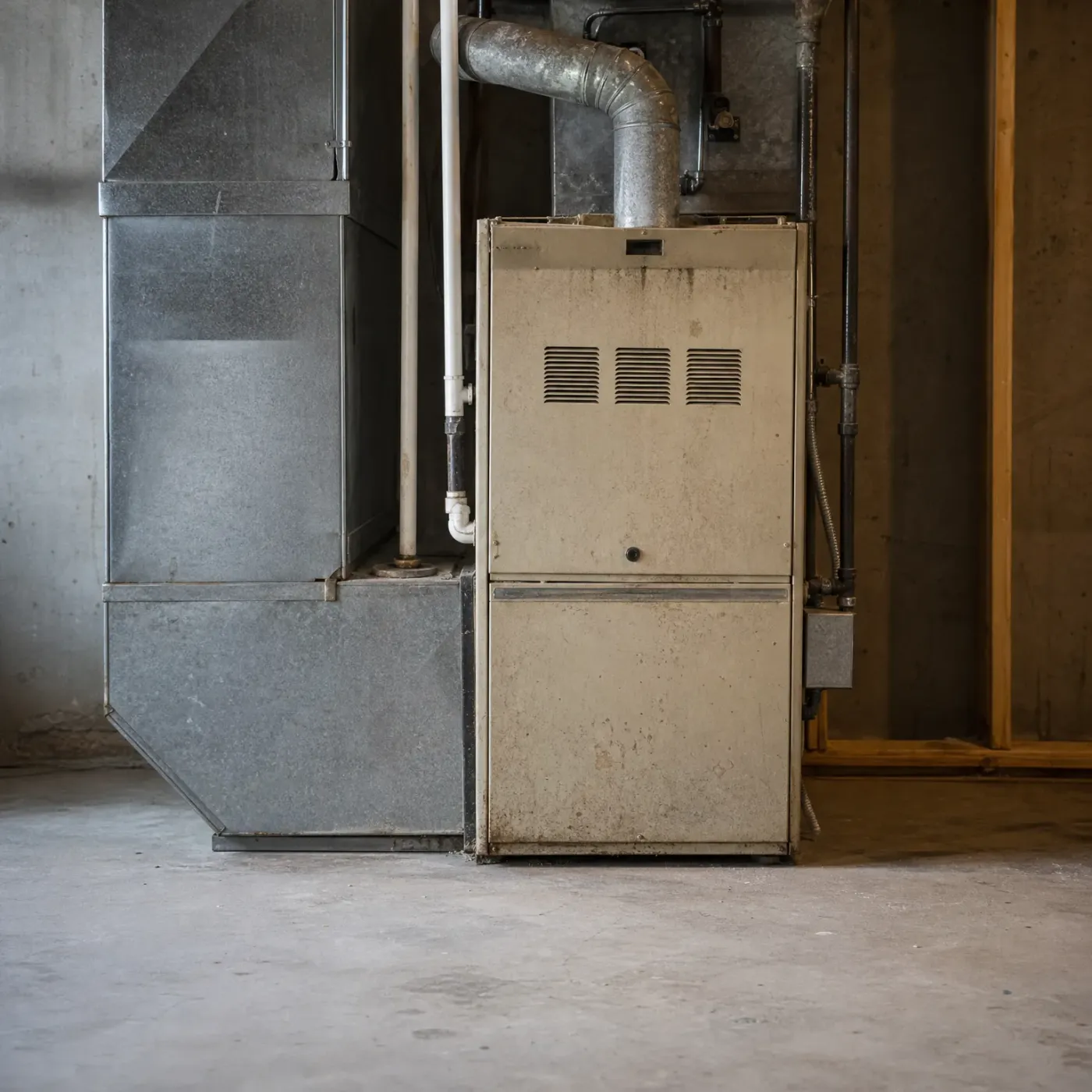
If the furnace quits on a night in the 20s, you're not waiting until morning to deal with it. You're up checking on kids or pets, layering blankets, maybe running the oven with the door open because someone told you that helps. If a bedroom sits over the garage or at the end of a long duct run, that's the room that goes cold first and stays that way while the rest of the house is fine. A cracked heat exchanger can put carbon monoxide into the air you're breathing all night without any smell to warn you, which is why a detector matters as much as the tune-up does. None of this is likely to happen on a mild week in November. It's the week it drops into the 20s and stays there that finds whatever was already wrong. A tune-up now means that week is just cold outside, not inside too.
Twenty nine degrees is the average, not the worst night you'll get. Your furnace has to recover a cold house fast when it dips below that, and it can only do that if the igniter, the flame sensor and the gas pressure are all where they should be.
NOAA nClimDiv 1991-2020
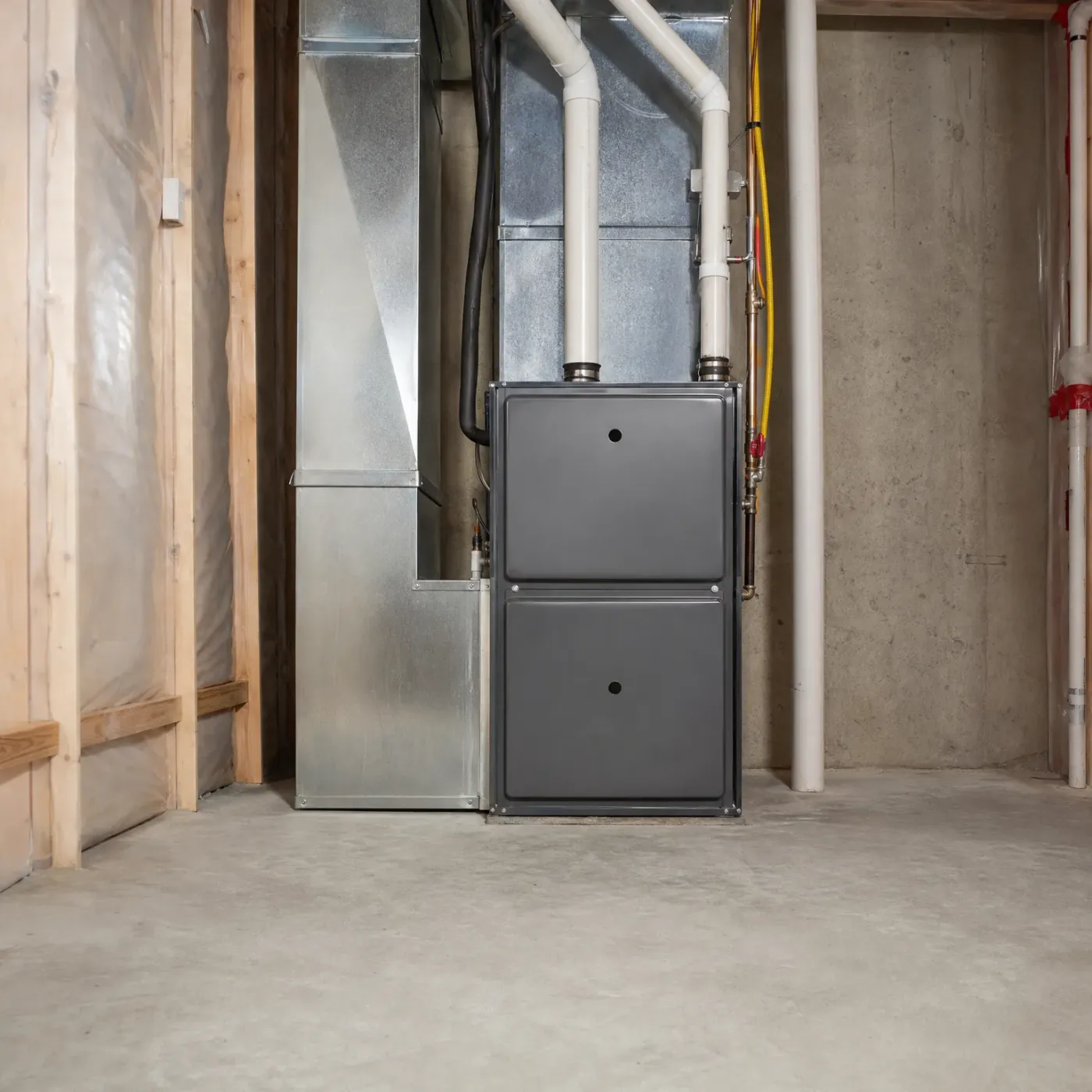
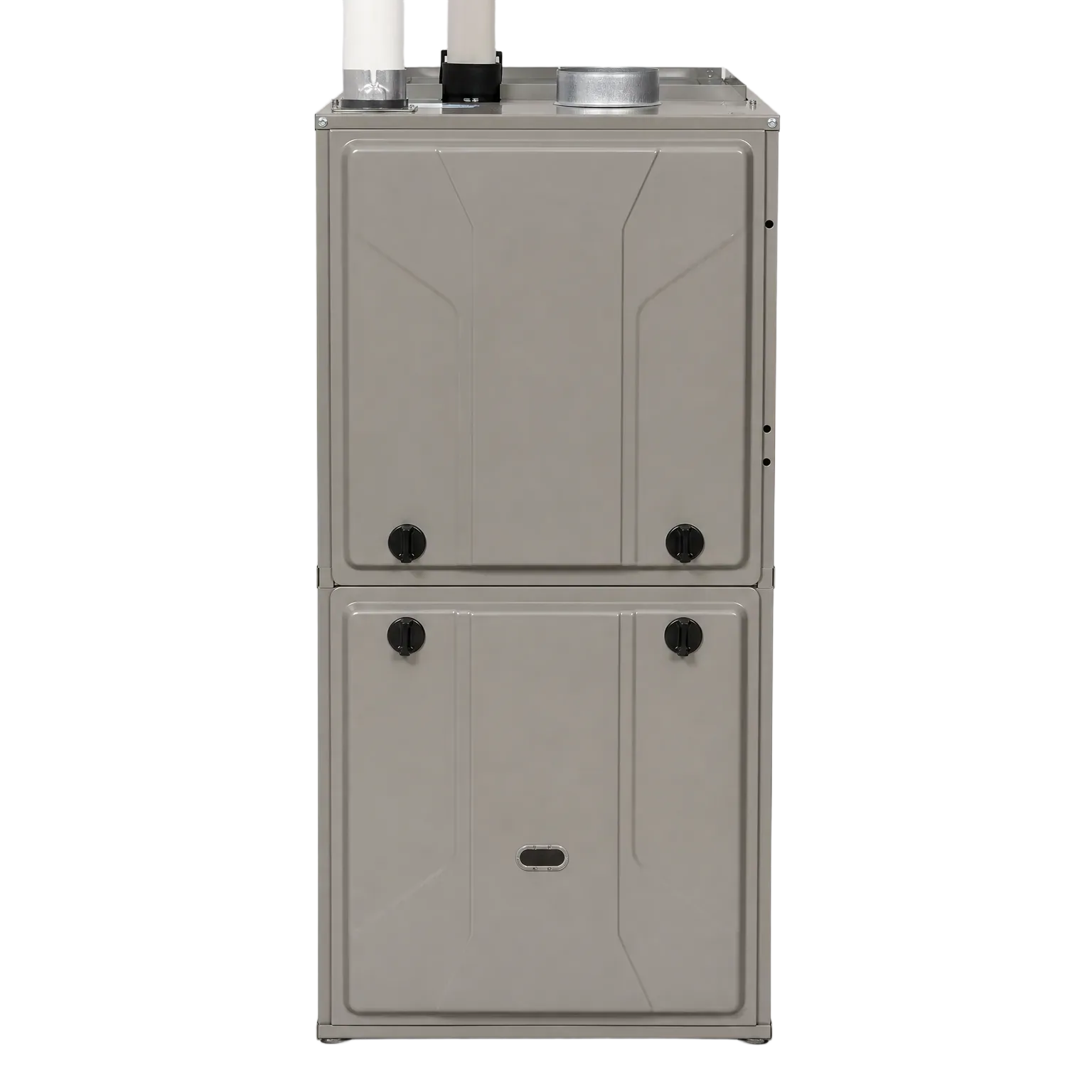
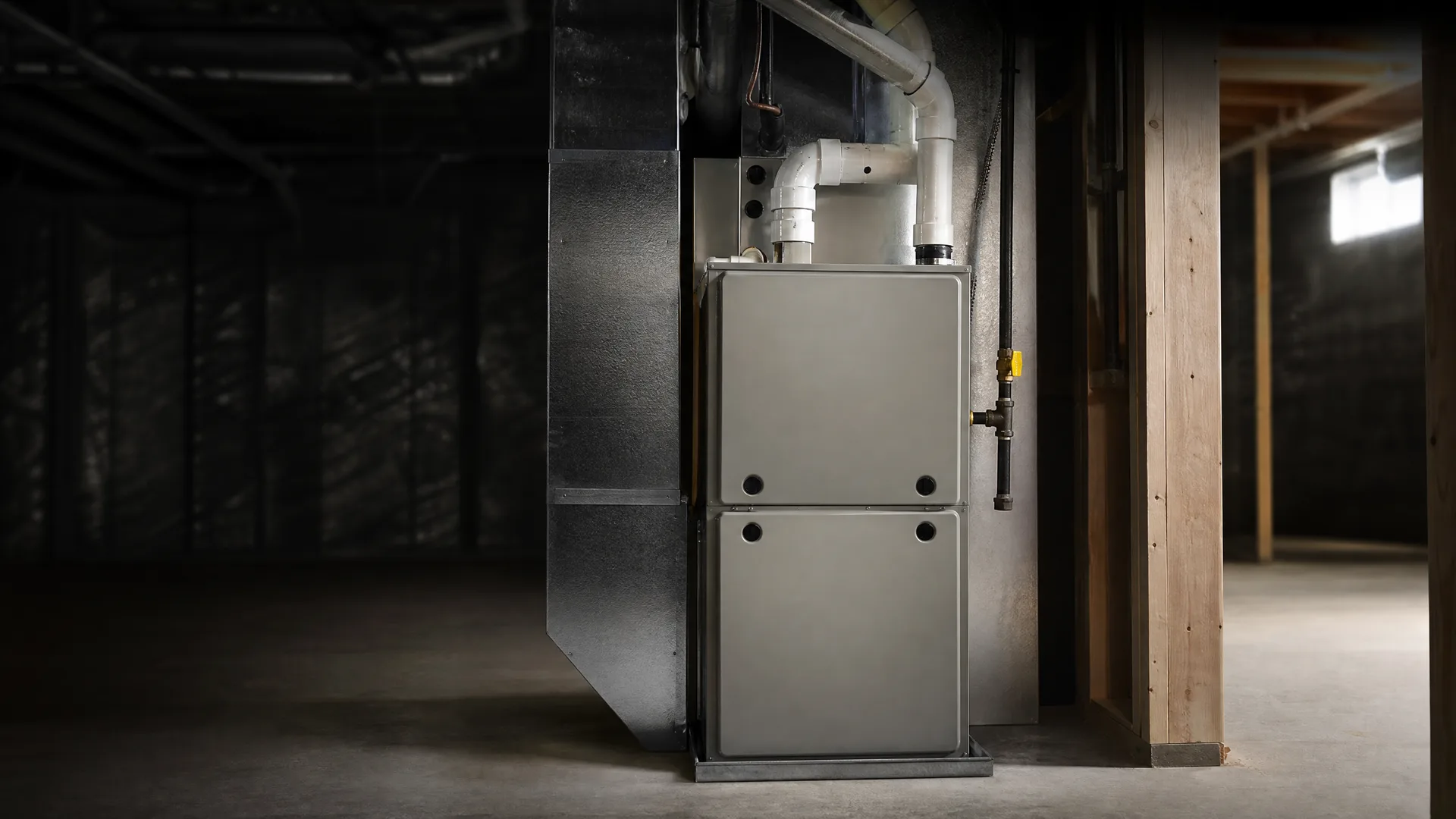
The flame burns steady at the burners, the flue pipes vent clean, and the gas line connection stays tight. Ductwork overhead carries warm air to every room without the blower straining. Nothing here is loud, nothing smells off, and the furnace cycles the way it was built to.
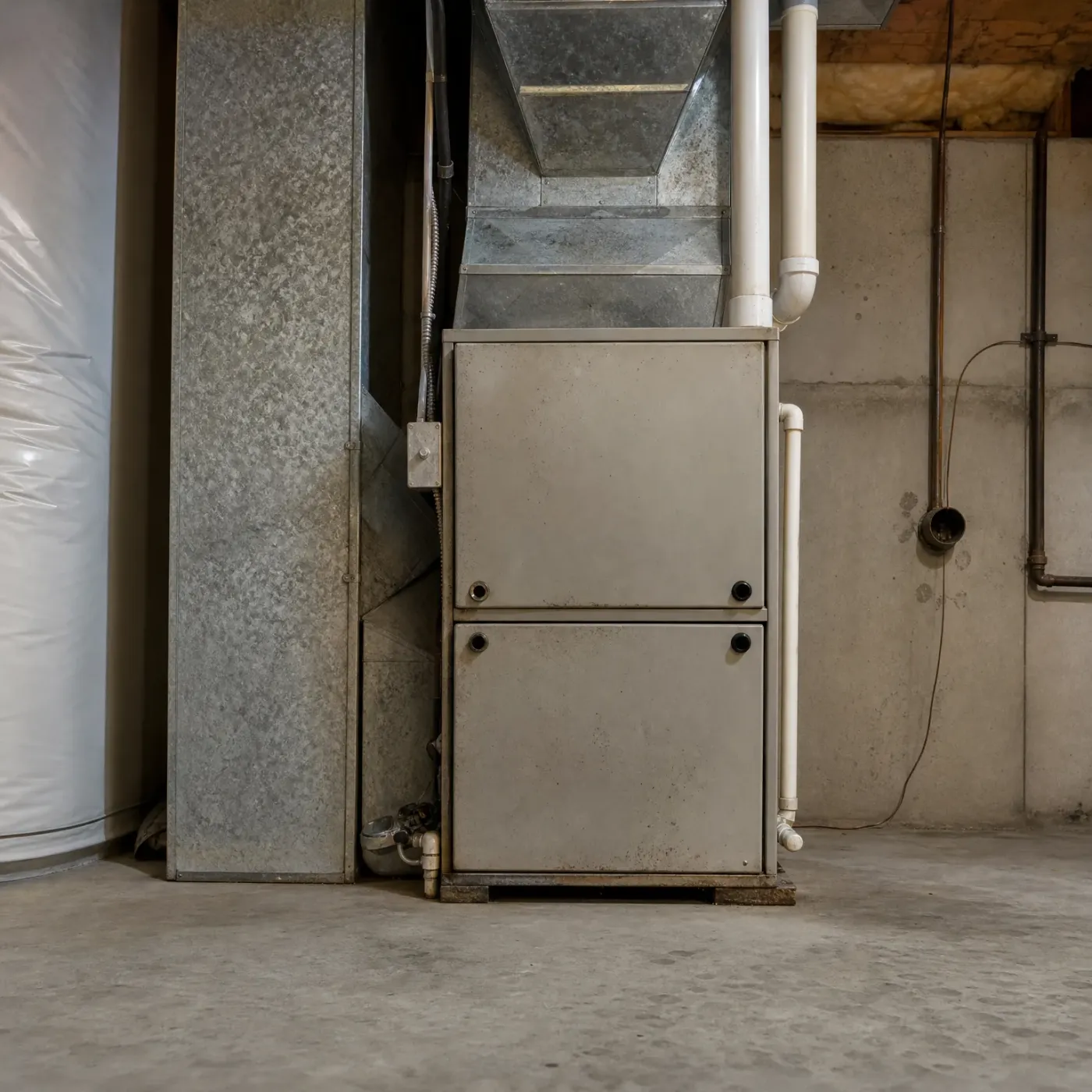
Sitting on its pallet since last spring, this furnace has had no one look at the igniter, the gas pressure or the condensate line all summer. The ductwork and flue are still connected, but a cracked heat exchanger or a clogged drain won't show itself until the night it fails.
A tune-up before winter comes down to this: someone looks at the igniter, the flame sensor, the heat exchanger and the gas pressure now, while the house is still warm enough that waiting a day or two doesn't matter. If something needs fixing, it gets fixed before the night it would have mattered most. That's the whole answer.
You don't have to find who does this. No searching through listings, no calling three companies and explaining the same thing three times, no sitting on quotes trying to guess which one is fair. One licensed contractor local to Tulsa County takes the call, comes out, and tells you straight what your furnace needs before the cold settles in for good.
No phone calls to make