15 to 20 years
Run it past that range and you're relying on a furnace that could quit on a cold night, with parts that get harder to find for a gas furnace that old.
 Start one form
Skip collecting and comparing quotes for the new furnace.
A gas furnace in Oklahoma typically runs 15 to 20 years before it needs to be replaced rather than repaired. Yours gets a break most of the year, since summers here are muggy and the AC does the heavy lifting from spring through fall. But when it kicks on in the colder months, it has to work, and how well it was installed matters as much as how old it is.
Furnaces don't fail on a set date. Some go at 12 years because of a cracked heat exchanger or a blower motor that finally gives out. Some run past 20 because they were sized right for the house and never fought harder than they had to. What you can check is whether the one in your house came with it or was put in later, and whether it's been serviced every year or left alone until something broke.
When a furnace is old enough to replace instead of patch, the work of finding someone to do it right is its own chore. You'd be calling around to find out who even installs furnaces in your part of Oklahoma, explaining the same thing about your system to each one, then trying to compare quotes that don't list the same brands or the same work. That's hours most people don't have in the middle of a cold snap.
This page connects you with one licensed Oklahoma contractor instead, someone who installs furnaces in homes like yours all winter and knows which brands hold up here and which don't. You're not fielding calls from five companies trying to win the job. You're talking to the one who'll actually do it.
What you need to know first is how long your furnace should last, what shortens that, and what a new one needs to go the distance in your house.
A gas furnace in Oklahoma usually lasts 15 to 20 years. Most homes here heat with gas, and the furnace only has to carry real weight for a few months. Summers are muggy and the AC does most of the work from spring through fall, so the furnace gets long stretches of rest that stretch out its life compared to a system running hard most of the year. What shortens it is age catching up with the heat exchanger and the ignition system, not overuse. Past 15 years, a furnace starts needing more repairs, and each one costs more as parts get harder to find. If yours came with the house and you're not sure how old it is, that number matters more than how it's been running lately. A furnace that's heating fine at year 18 can still fail on the coldest night of the year, since age wears parts out whether or not you've noticed anything different.
By the time a furnace hits 15 or 20 years in Oklahoma, you're usually watching for the signs rather than guessing. Short cycling, a pilot or igniter that won't hold, a gas smell, rooms that stay cold no matter how long it runs. Once you know it's time, the next job is finding someone who can actually look at it, and that's its own chore: searching contractors, calling a few, explaining the same thing on the phone three or four times, then sitting on quotes trying to tell which one is fair. You don't have to do that part. A request here goes to one licensed Oklahoma contractor, someone who works on furnaces like yours every winter and knows what tends to go first in a system this age, not five companies competing for your callback. That part of it is handled. What you're left with is just deciding when to let the old furnace go.
A furnace that short cycles twice a winter isn't resting between runs, it's stopping and restarting, and that wear adds up faster than steady use over the same stretch of cold months.
Short cycles stress the igniter and the blower motor with every restart, which is why a furnace used hard and started often can fall short of 15 years while a gentler one runs past 20.




Run it past that range and you're relying on a furnace that could quit on a cold night, with parts that get harder to find for a gas furnace that old.
A new gas furnace gives you a working pilot and igniter, steady heat through the cold months, and years before you have to think about it again.


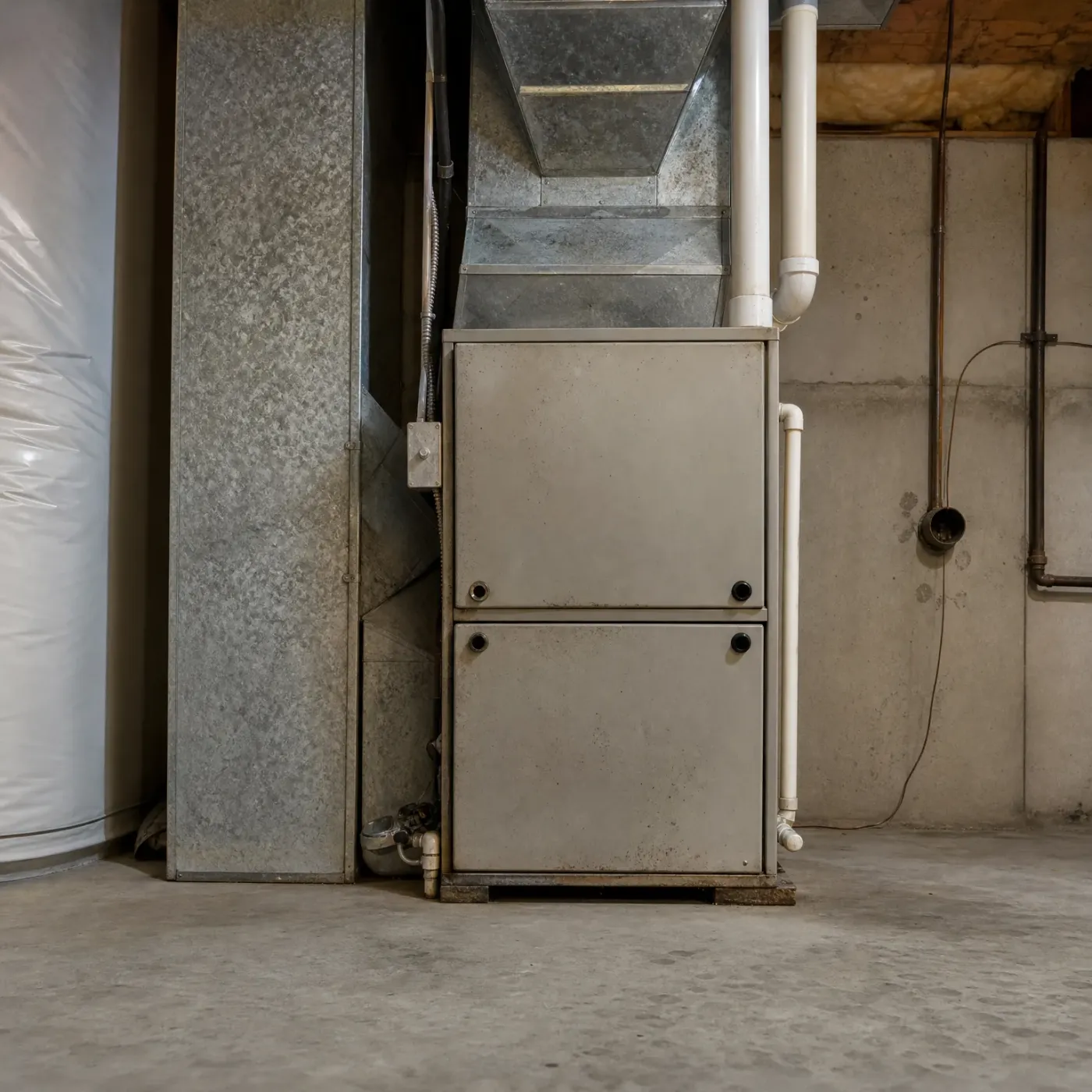
30°F is a typical overnight low here in winter, not a rare cold snap. That means your furnace is holding a real temperature swing most nights of the season, not just taking the edge off. It's steady work, night after night, for a few months straight.
NOAA nClimDiv 1991-2020 county normals weighted by homes
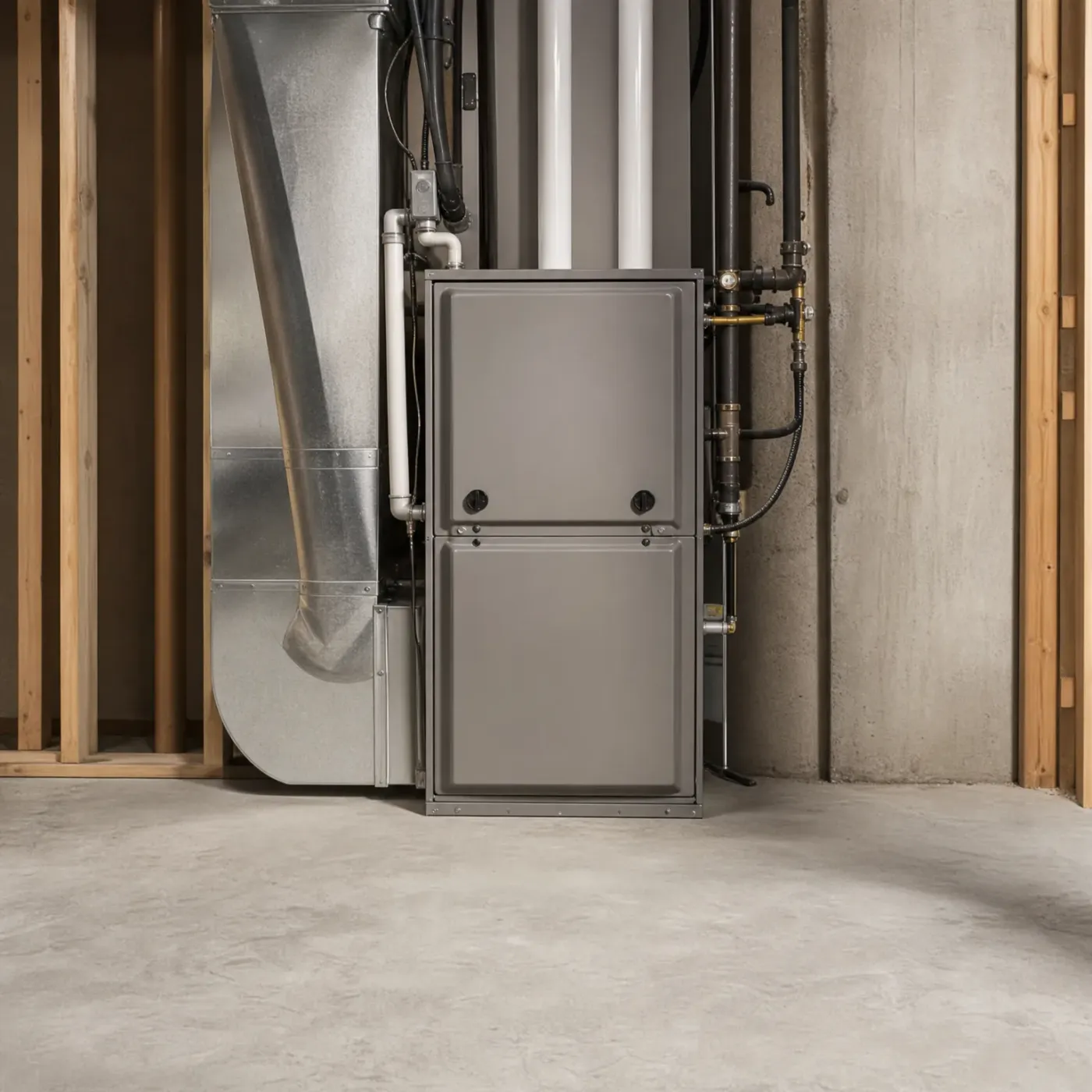
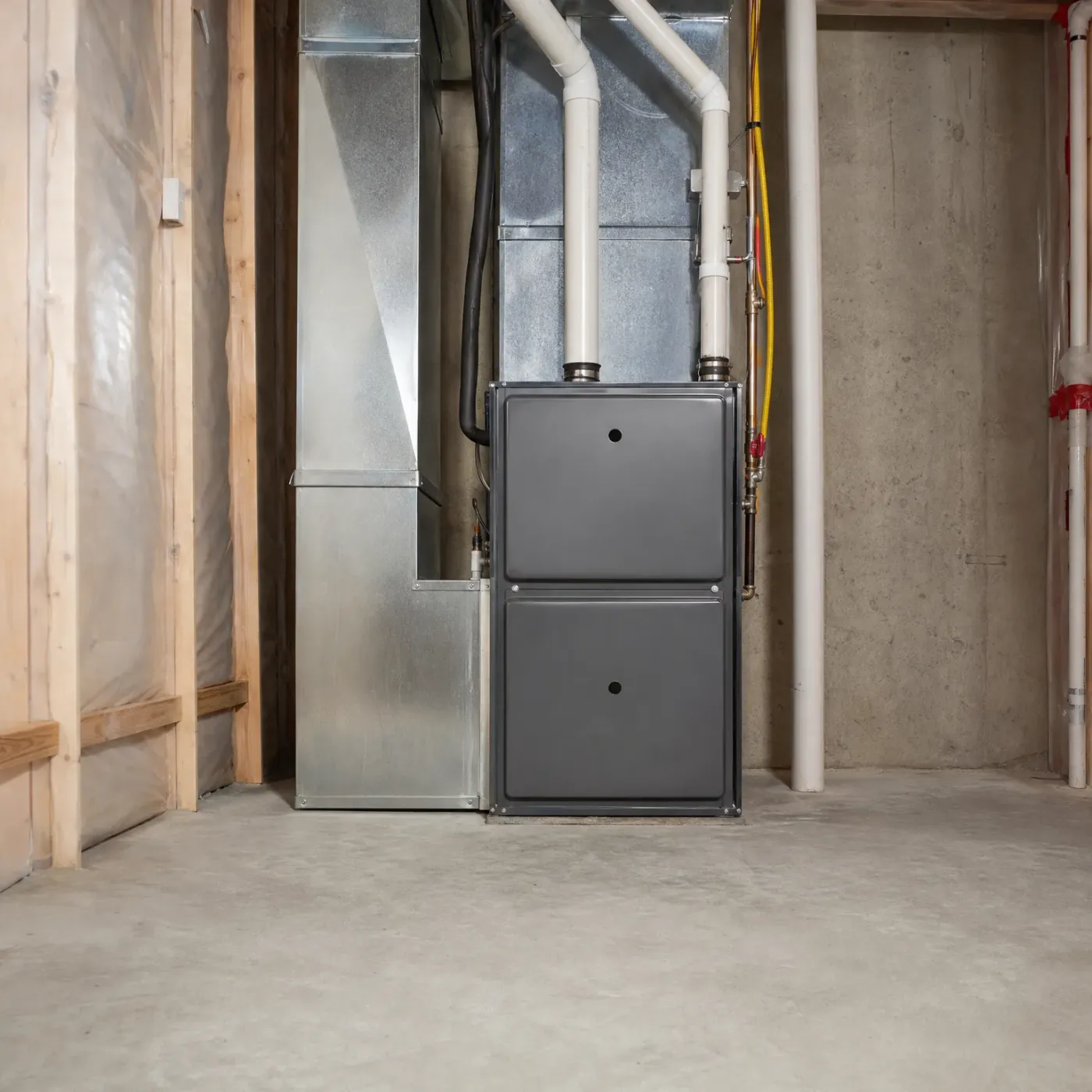
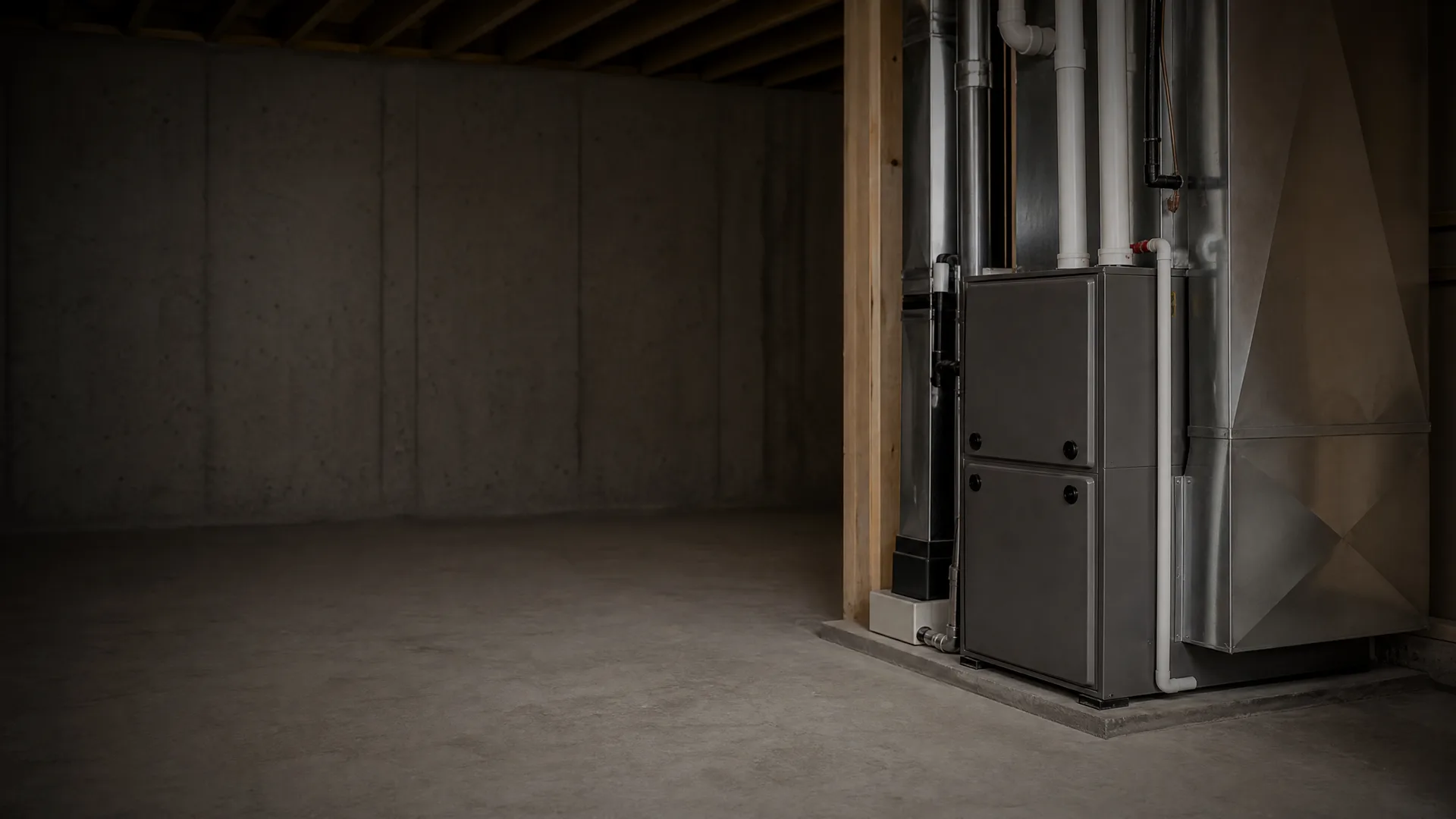
This is a furnace carrying the load it was sized for: clean duct connection, tight flue pipes, a steady run through the cold months. At this age it should fire on the first try and hold a flame without hunting for one.
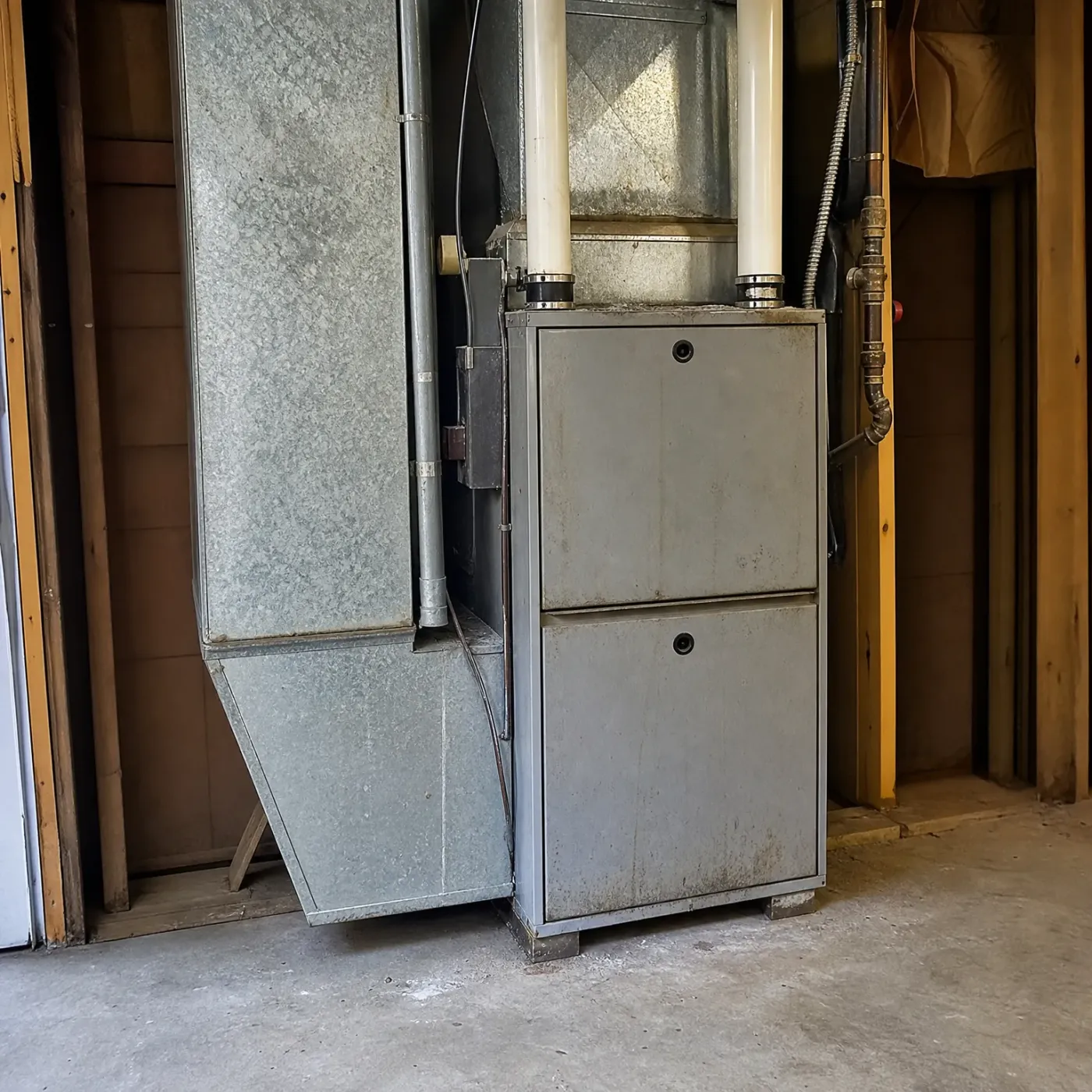
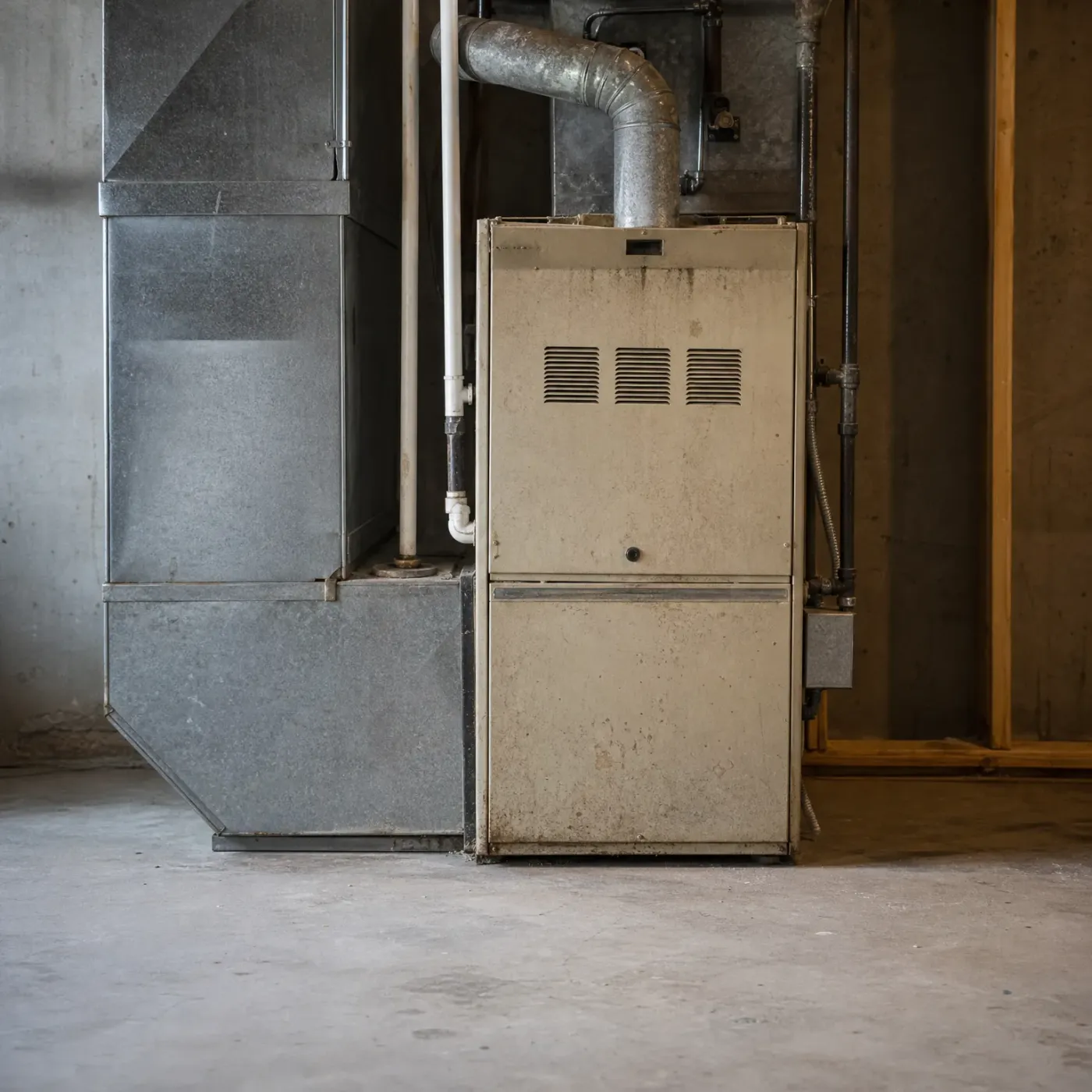
Surface rust on the cabinet and a plenum that's been reworked over the years point to a furnace well into its run. Once you see rust like this, a cracked heat exchanger or a cabinet that's rotted through is the next thing to turn up.

A gas furnace in Oklahoma runs 15 to 20 years. Past that, you're on borrowed time with a machine that carries you through every cold night from November to March. You already know the signs by now: short cycling, a pilot that won't hold, rooms that never quite get warm.
Finding someone to handle it is its own chore. Searching around, calling a few companies, explaining the same problem on the phone three times, then sitting with quotes trying to tell them apart. A local contractor who works on furnaces like yours all winter has already seen what usually fails at this age, and you only need to talk to the one.
Only one pro gets your request, so you hear from one company.