Sooner Furnace
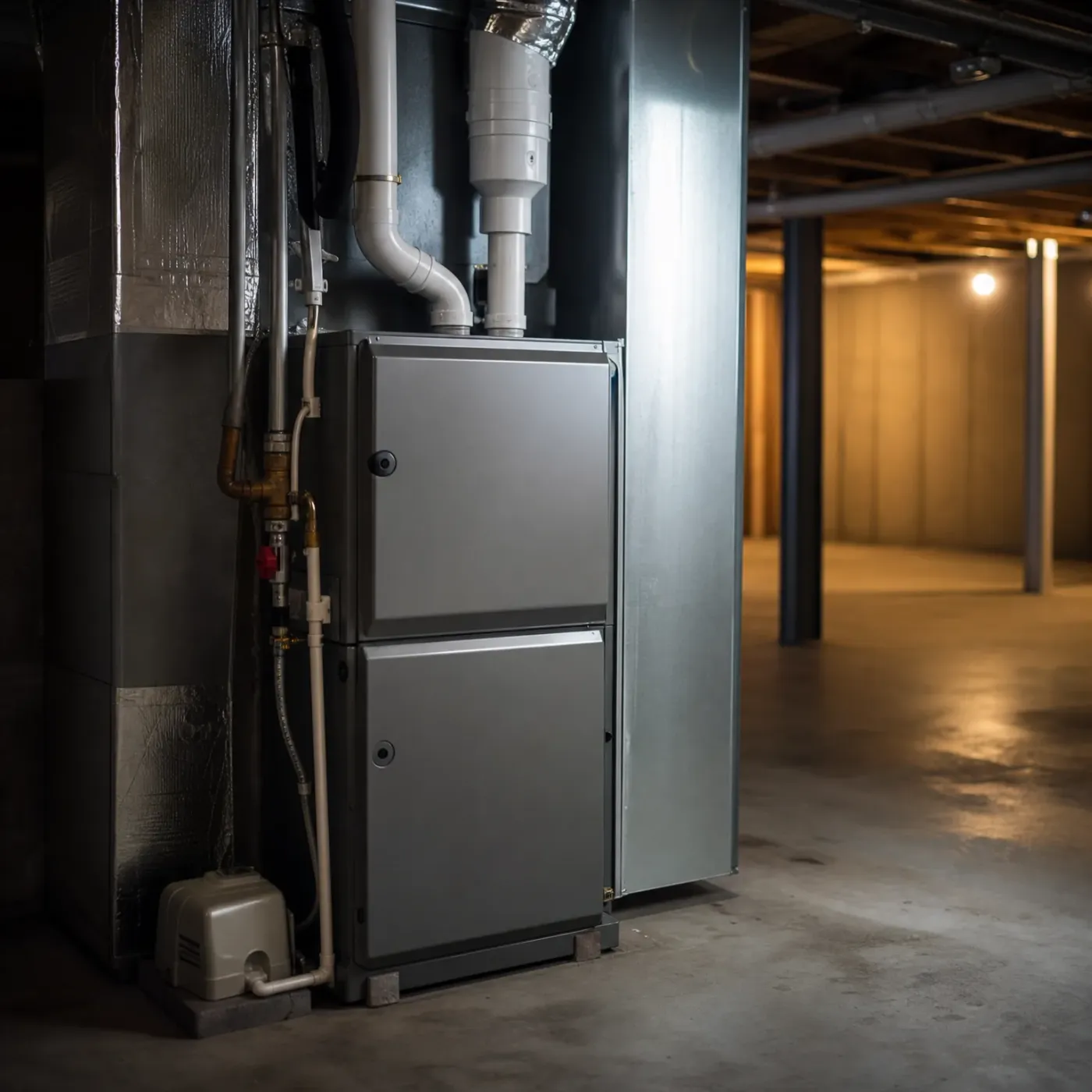
A gray high-efficiency furnace with PVC venting, copper and plastic piping, and a condensate pump sits beside sheet-metal ductwork in a concrete-floored basement.

Let someone else find the pro

How often to change your furnace filter in Oklahoma

Running gas heat through an Oklahoma winter, then shutting it down for a sticky summer, puts real dust and lint through that filter. How often to swap it depends on the filter you bought and whether anyone in the house has pets or allergies. Below is the schedule to go by, and a local contractor who services furnaces all season if you'd rather have someone check yours.

Hand it off

A basic 1-inch filter in an Oklahoma furnace needs changing every 30 to 60 days. A pleated filter can run 60 to 90 days. The short end of that range fits most homes here, because the same blower pushes air through that filter during gas heat in winter and again whenever the AC runs through the humid months, so it sees dust nearly year round instead of a few months on and off. A dog or cat in the house, or anyone with allergies, pushes you toward checking monthly rather than waiting the full stretch. A clogged filter makes the blower work harder to move the same air, and that strain is what leads to a service call sooner than you'd like. Checking it against the light, rather than just marking a date, tells you faster than any calendar whether it's time.

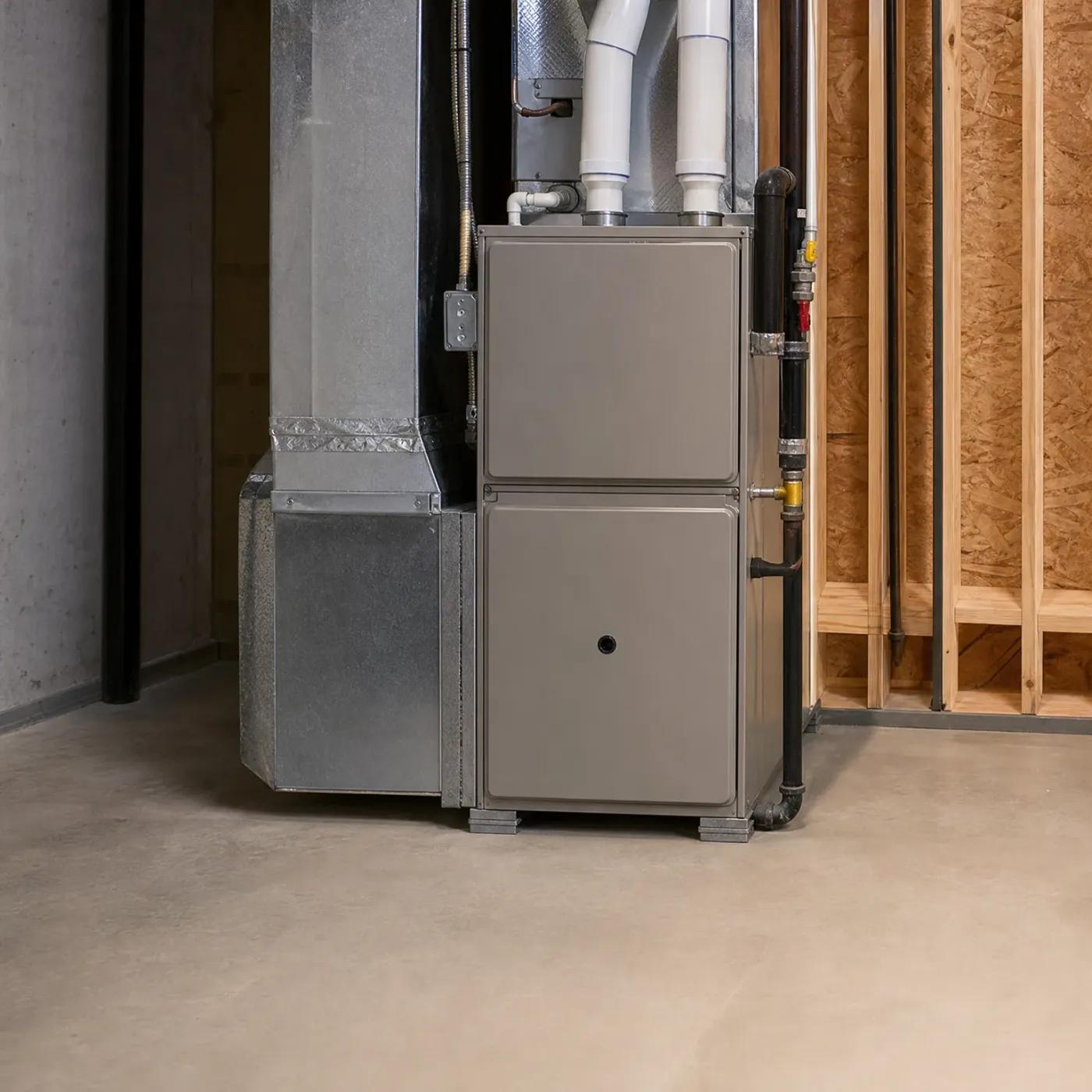
A gray high-efficiency furnace in a basement, connected to sheet-metal ductwork on the left and white PVC vent pipes above, with black gas and drain piping and an exposed wood-stud wall with OSB sheathing on the right.

A filter changed on schedule

Air moves through clean and the furnace cycles the way it was built to. The blower isn't straining to pull air past a clogged filter, so the burners fire, the heat exchanger does its job, and the system shuts off on its own timing. Ductwork stays clear on the other side.
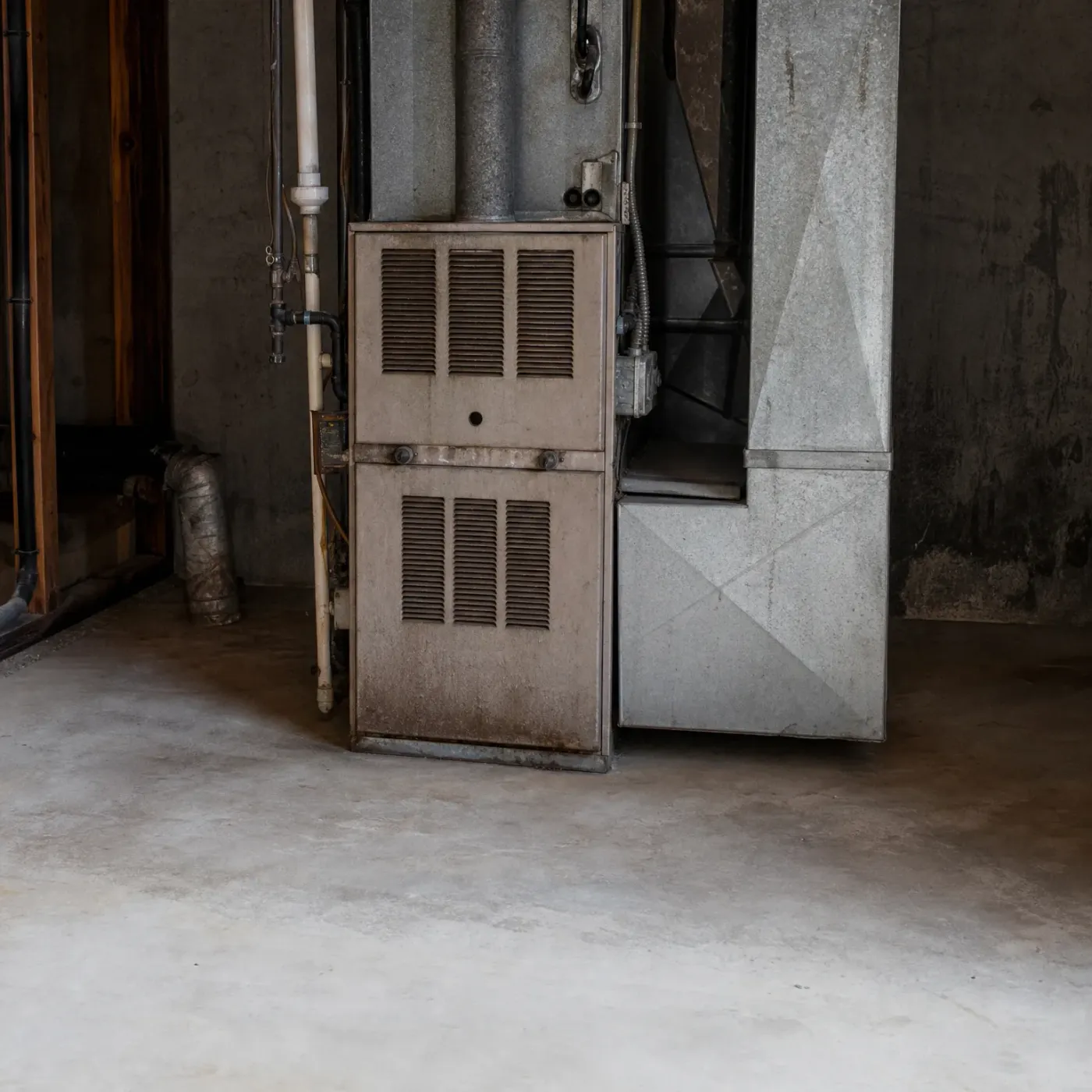

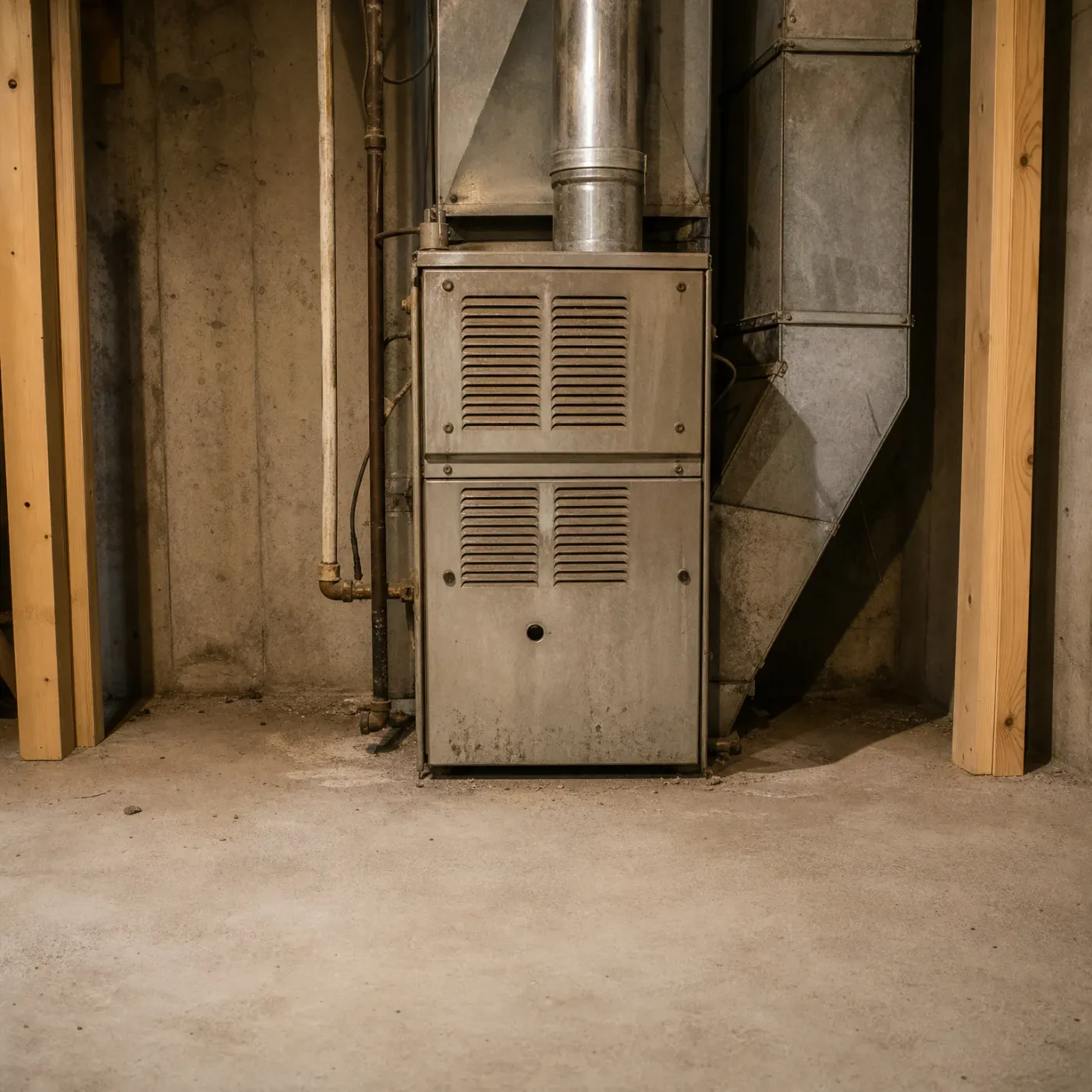
An older gas furnace with two louvered front panels stands on a concrete basement floor beside galvanized sheet-metal ductwork, pipes, and a weathered concrete wall.

A filter left too long

Dust packs into the filter until the blower can barely pull air through it. Airflow drops, the furnace runs longer to reach the same temperature, and strain builds on parts that weren't made to work that hard. Left alone, that strain is what turns into a service call.

A man in a gray sweater reclines in a brown leather armchair with his eyes closed, beside a wooden side table holding a mug, a folded newspaper and a potted plant, with a bookshelf and sunlit window behind him.
A man with greying hair and a dark sweater leans back on an armchair with his eyes closed and a slight smile, in a living room with a bookshelf, plant, folded newspaper and mug on a wooden table.
A man in a gray fleece jacket sits reclined in a leather chair with his eyes closed, in a room with bookshelves, a table lamp, a window, and a desk holding a folded newspaper and a dark mug.
A bearded man in a gray fleece pullover sits with eyes closed in a brown leather armchair in a living room, with a floor lamp, bookshelf, potted plants, a side table holding newspapers and a dark mug, and a bright window behind him.

Air gets pulled in through the filter before it ever reaches the blower. When that filter loads up with dust, the blower motor has to work harder to pull the same volume of air through it, drawing more amps to do it. Keep that up and the limit switch can trip from the heat building up behind the restriction, cutting the burners off before the house gets warm. The heat exchanger needs steady airflow across it to shed heat the way it's built to, and a starved filter cuts into how long that part lasts. A technician checking an older furnace can measure the pressure drop across the filter and tell you from that number alone how clogged it's gotten. Most of the buildup happens on the upstream side, where the air first hits the filter. And bigger isn't always better: a filter rated more restrictive than your blower was built to handle puts it under the same strain as one you forgot to change.

What a Clogged Filter Does

  • A dirty filter forces the blower motor to work harder, pulling more amps to move the same amount of air.
  • The furnace's limit switch can trip from the heat buildup caused by restricted airflow, shutting the burners off early.
  • A clogged filter starves the heat exchanger of airflow, and that cuts into how long it lasts.
  • Return air pressure drops across a blocked filter, and a technician can measure that drop to tell you how clogged it really is.
  • Dust and pet hair build up fastest on the upstream side of the filter, right where air first gets pulled in.
  • A filter that's too restrictive for your furnace's blower can cause the same strain as one that's overdue for a change.
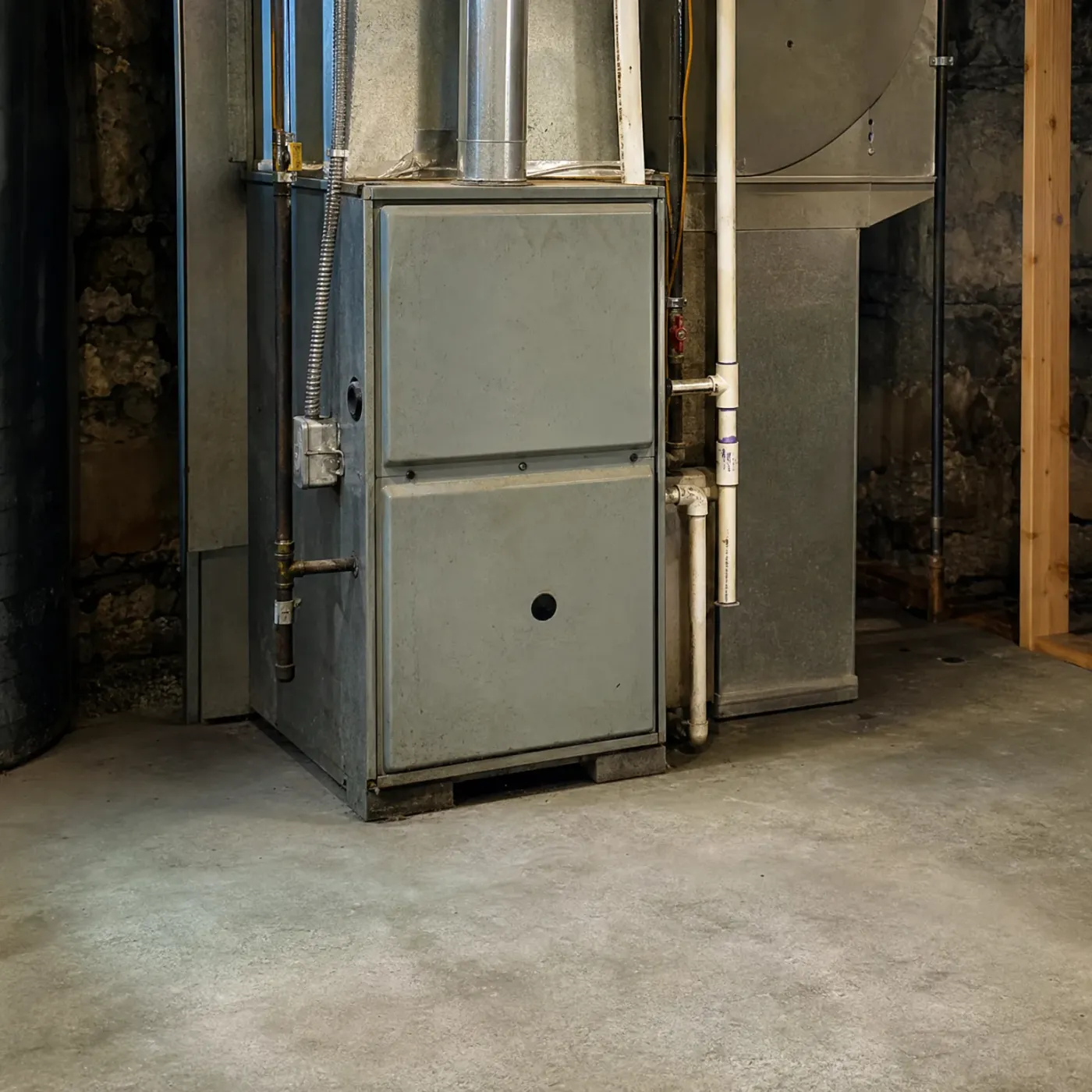
A gray sheet-metal furnace with flue pipe and adjacent ductwork stands against a stone basement wall on a concrete floor, with white PVC and metal pipes running nearby.
Before you get your furnace maintenance
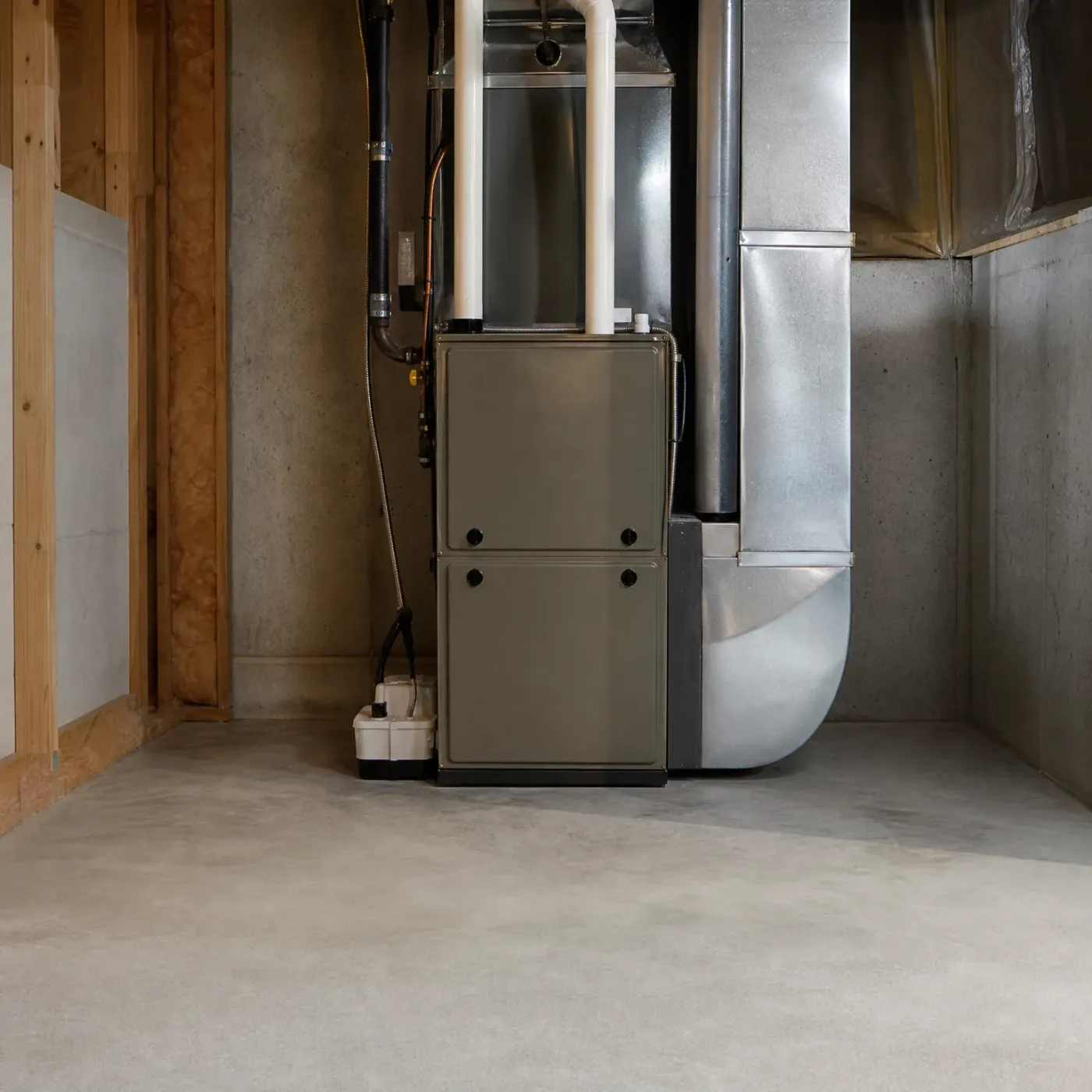
A gray high-efficiency furnace with white PVC vent pipes stands against a concrete basement wall beside sheet-metal ductwork, a small condensate pump on the floor, and exposed wood framing at left.
After you get your furnace maintenance

One request and it's handed off

A licensed local pro takes the request for your furnace tune-up.

Asking costs nothing, and the choice to hire stays yours.

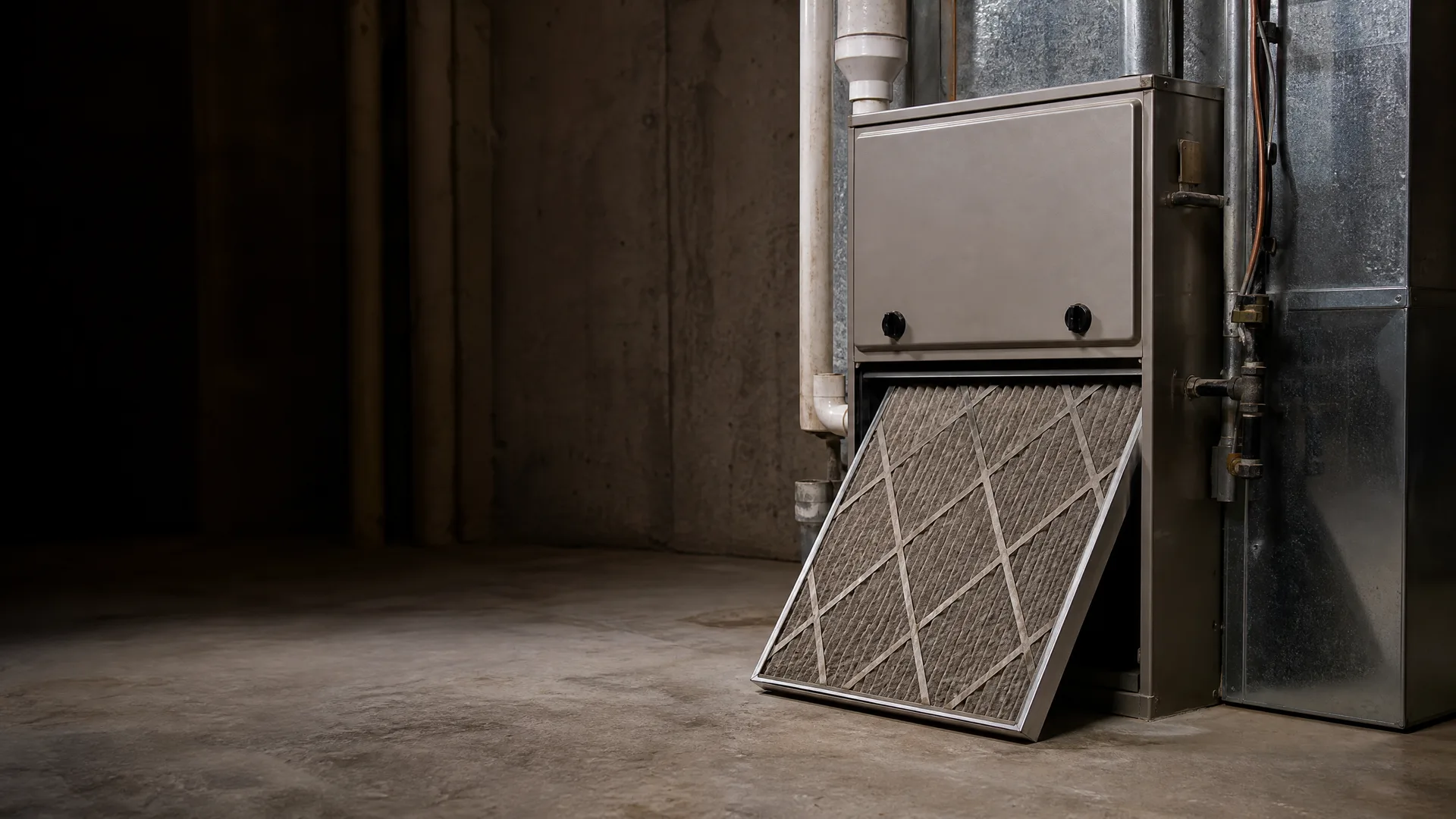
A dirty pleated air filter leans against a furnace with metal ductwork in a dim concrete basement.

You're down in the basement on a Saturday afternoon in October, the first cold snap of the year, checking the furnace before you need it. You slide the filter out and it's grey, matted with dust and lint, the pleats packed solid. You hold it up to the basement light and can't see through it at all. This is the same filter that ran all through last winter's gas heat and sat there all summer while the AC cycled through it too. You set it down on the concrete next to the furnace and go looking for the box of replacements you bought back in the spring, the ones still shrink-wrapped on the shelf.

Winter nights average 30°F statewide

Once those cold nights set in around 30°F, your furnace is running long stretches to keep up, and that means steady hours of air pulling through the filter. A filter that looked fine in November can be packed solid by January.

NOAA nClimDiv 1991-2020 county normals weighted by homes

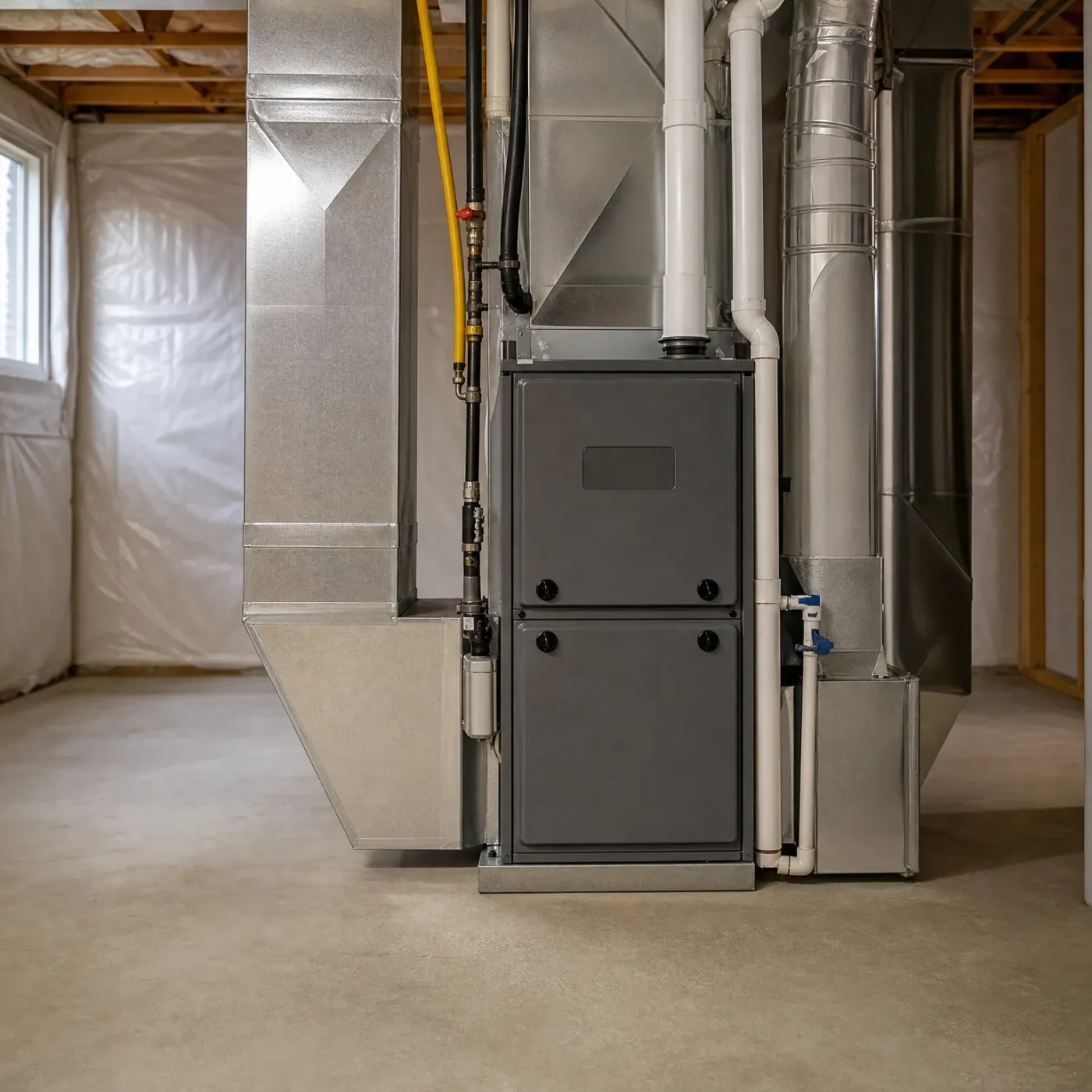
A gray gas furnace stands on a concrete basement floor, connected to sheet-metal ductwork, white PVC vent pipes, and a yellow gas line, with plastic sheeting covering the walls.
New ductwork and a clean filter let the blower move air the way the furnace was built to run.
A metal furnace with louvered panels stands against a concrete basement wall, connected to sheet-metal ductwork and a round flue pipe, with wooden framing posts and a pipe nearby.
An older furnace coated in dust is working against a filter that's overdue, not just old.

The Filter Schedule, Plain

  • A 1-inch filter runs 30 to 60 days in an Oklahoma furnace, a pleated filter 60 to 90.
  • Pets or allergies in the house push you to the short end of either range.
  • A filter left in too long makes the blower work harder and can trip the limit switch.
  • Checking the filter when the first cold snap hits catches a summer's worth of dust before winter heat starts.
  • A filter changed on schedule lets the furnace cycle on and off the way it was built to.
  • The same filter schedule holds whether the furnace is running gas heat in January or air conditioning in July.

A 1-inch filter wants changing every 30 to 60 days. A pleated filter stretches to 60 to 90. In an Oklahoma home that filter is working year round, not just the months the furnace runs, because the same blower pulls air through it when the AC is on in July. If anyone in the house has pets or allergies, plan on the shorter number. That filter is catching more than most people think, and it fills faster than it looks like it should.

Skip changes and the blower has to work harder to pull air through a filter packed with dust and lint. That extra strain can trip the furnace's limit switch, which shuts the burners off before the house is actually warm. It is not a dramatic failure. It is a furnace running worse than it should, cycling oddly, maybe not keeping up on the coldest nights, and the cause is sitting right there in the filter slot.

The easiest time to catch this is the first cold snap, when you go to check the furnace before you need it. Pull the filter and look at it. If it is grey and matted, it has been overdue for a while. Put a clean one in and the furnace cycles the way it was built to, burners firing, air moving, shutting off on its own time. That same filter will be back at work in July, and the schedule does not change just because the season did.

A gray-haired man with a beard in a blue button-placket shirt reclines on a couch with his eyes closed, beside a sunlit window with a green plant.
A woman in a cream knit sweater sits in an armchair with her eyes closed and head tilted back, beside a window showing orange autumn foliage and a wooden side table with a mug.

Furnace Maintenance

Done looking for a furnace pro

Your request goes to one pro, not a list of companies.

A black smartphone standing upright against a plain light gray background, its screen filled with solid green.
Step 1 of 3: Equipment