Is a high-efficiency furnace worth it in Tulsa, OK

Your new furnace project goes to an installer who works in Tulsa County.

Find my pro

Is a high-efficiency furnace worth it in Tulsa

Winters in Tulsa get cold enough that your furnace runs for months at a stretch, and most homes here heat with gas. When a furnace is on that much, the efficiency rating on the new models starts to matter to your bill, and you want to know if paying more upfront for a 95 percent or better unit actually pays you back, or if a standard furnace does the job just as well for less money.

Yes, if you're replacing a furnace anyway

A high-efficiency furnace burns less gas to make the same heat, because it pulls more warmth out of the exhaust before venting it outside instead of sending that heat up the flue. In a Tulsa winter, where the furnace is working hard from December through February and still running on the colder nights either side of that, the difference shows up on the gas bill every month it's cold. It matters most if you're already replacing the furnace, since you're paying for a new unit either way. It matters less if your current furnace is still working fine, because the payback comes from gas saved over years of use, not from swapping out equipment that doesn't need it yet.

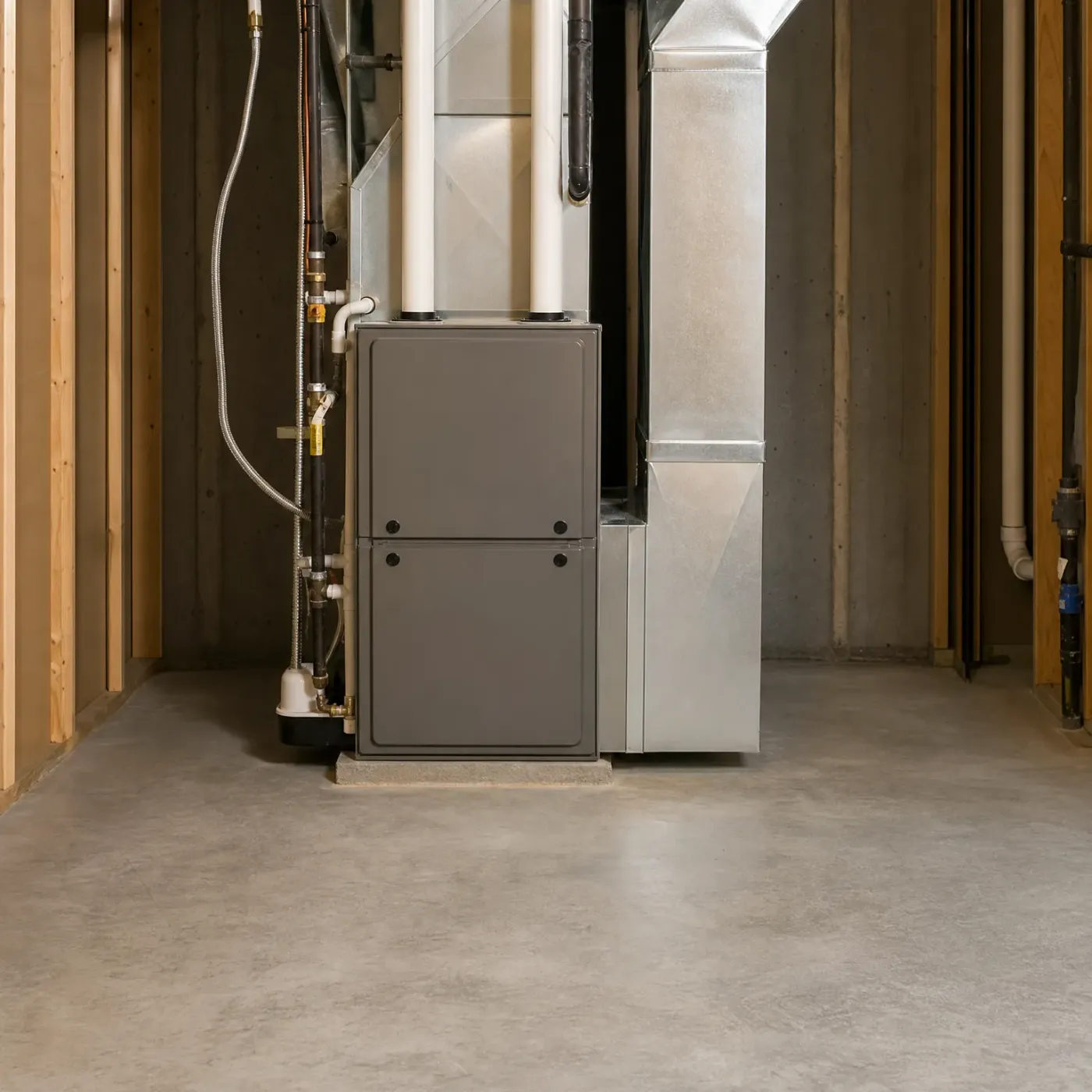
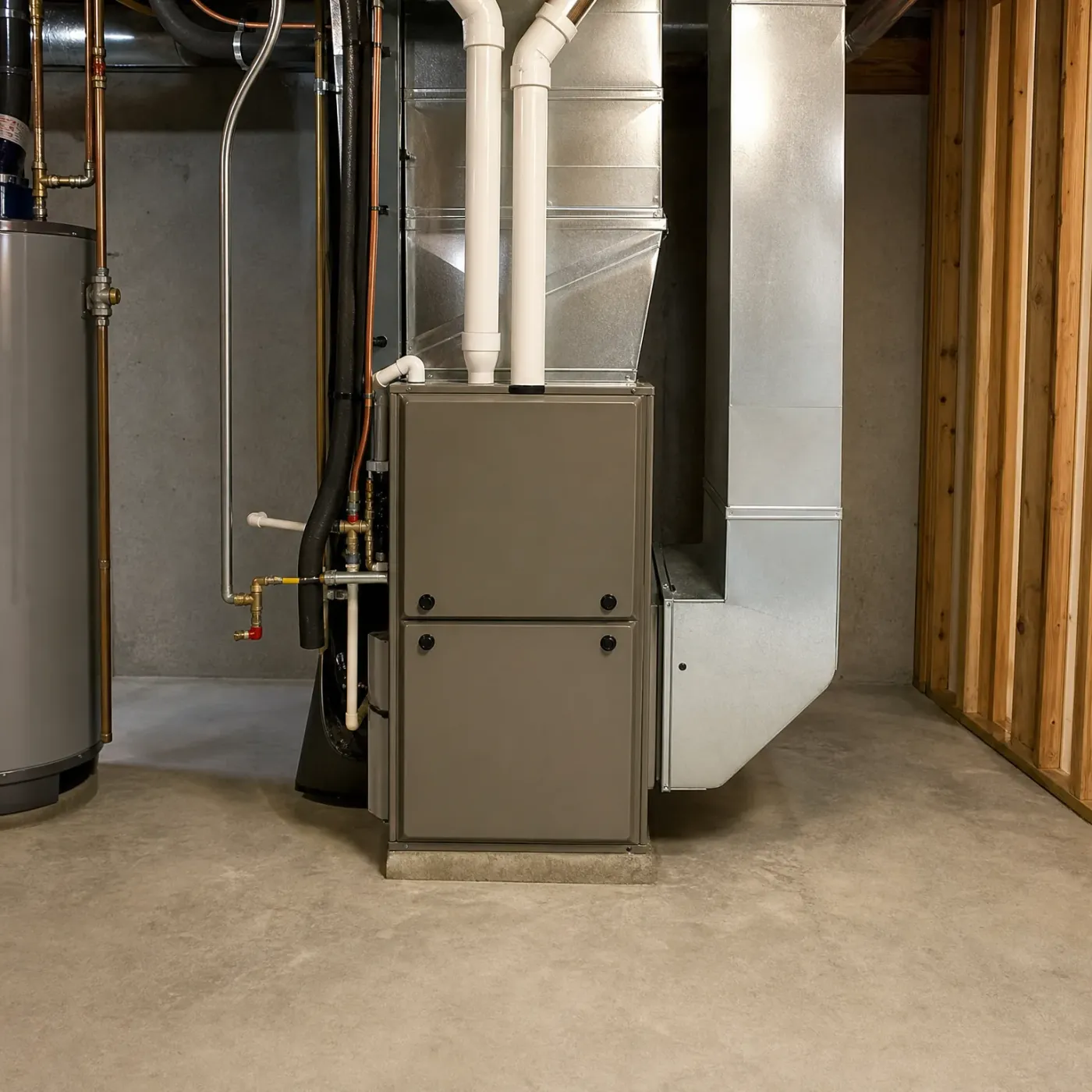
A gray high-efficiency furnace with white PVC vent pipes stands on a concrete pad in a basement, beside sheet-metal ductwork, copper piping and a poured concrete wall with wood framing at left.

A high-efficiency furnace

That second PVC pipe running next to the flue is the condensate line, venting exhaust that's already given up most of its heat. The furnace is pulling more warmth out of the same cubic foot of gas, which is the whole point when it's running through a Tulsa winter.

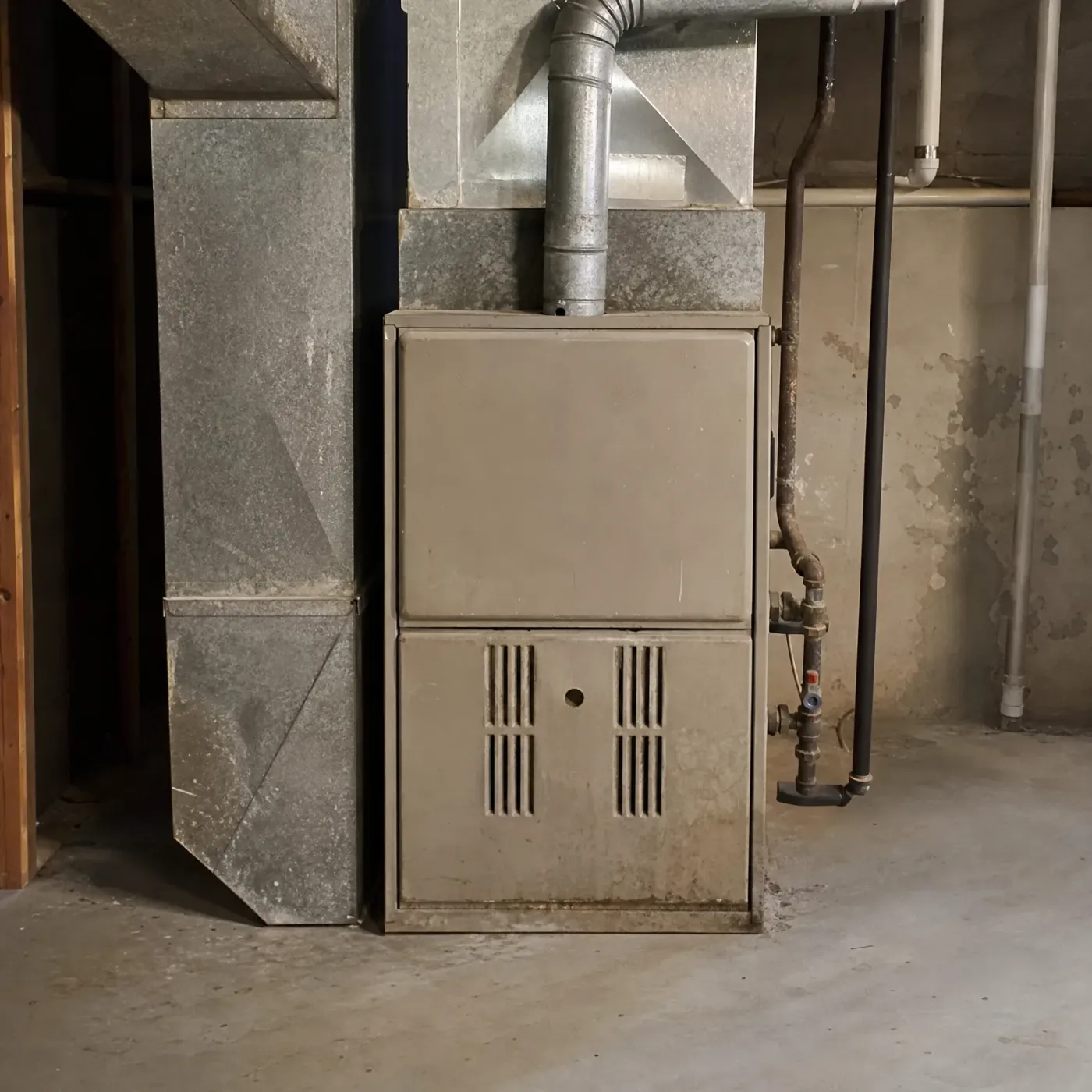
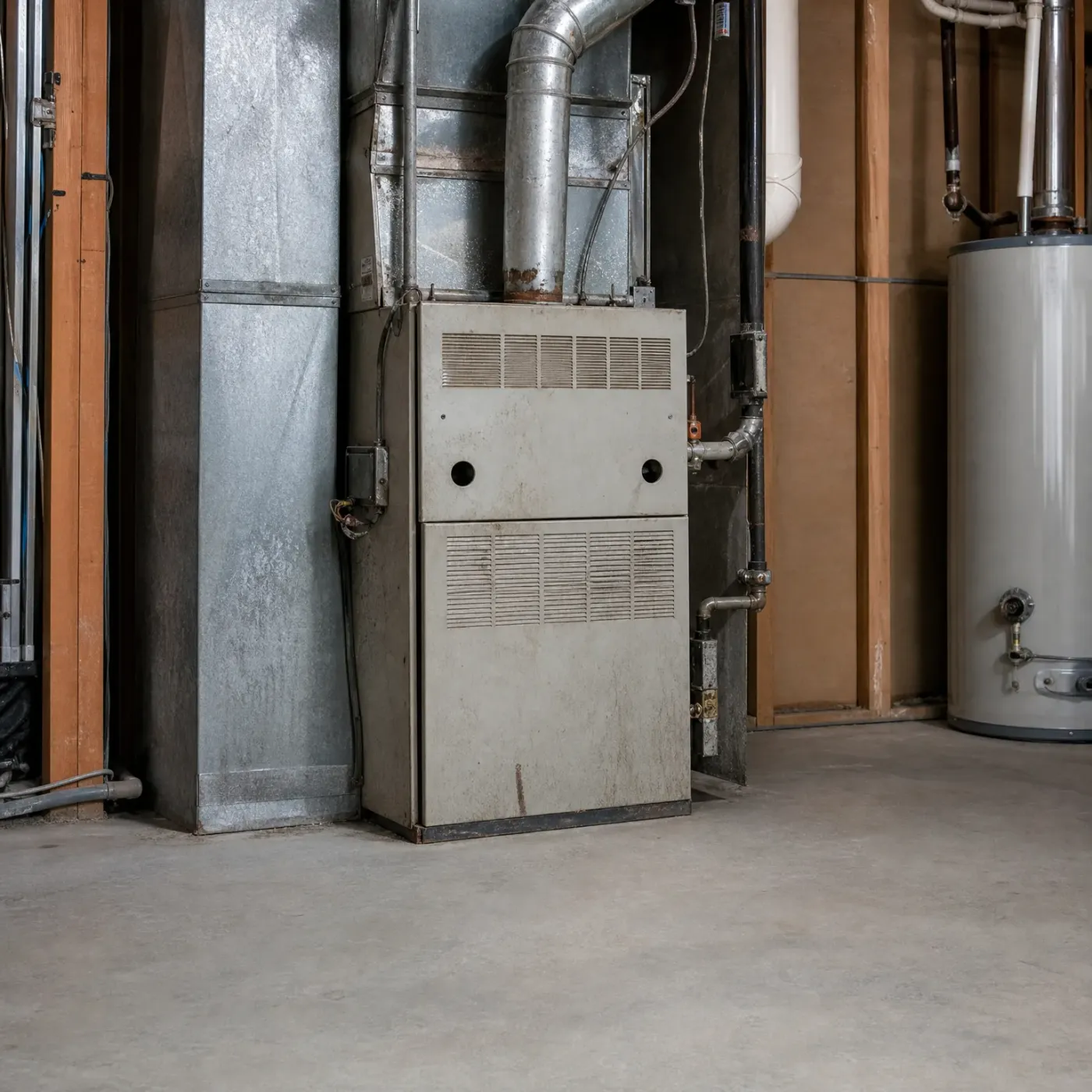
A beige gas furnace in a basement with a metal flue pipe, galvanized sheet-metal ductwork to its left, and gas and water pipes along the concrete wall to its right.

An older furnace

A single metal flue pipe is the giveaway. It's venting exhaust that's still hot enough to need a dedicated flue, heat that's leaving the house instead of the ductwork above. That furnace is working harder for less warmth out of every therm.

How many months does your furnace actually run in Tulsa?

  • Winter nights average 29°F

    Nights in the 20s for three months straight mean your furnace is cycling on long after dark, not just at the coldest stretch of January.

  • Heat runs October through April

    Seven months is more than half the year. A furnace built to waste less gas is working on your behalf most of the time it's installed to do.

  • 62.1% of homes heat with gas

    When 6 in 10 homes around you burn gas to stay warm, the price of that gas and how much of it your furnace wastes both land on your bill.

NOAA nClimDiv 1991-2020 · ACS 2020-2024

What a higher AFUE number means

AFUE is the share of fuel the furnace turns into heat you actually get, not what goes out the flue. An 80 percent furnace loses 20 cents of every gas dollar up the vent. A 95 percent furnace loses 5. Over seven months of regular runtime in Tulsa, that gap shows up on the gas bill every month, not just on the coldest nights. The rating is printed on the yellow EnergyGuide label on the unit, so you can check what your current furnace is rated at before deciding what the new one needs to beat.

Where the extra heat actually goes

A standard furnace vents exhaust while it's still hot enough to need a metal flue and a draft to push it outward. A high-efficiency furnace cools that same exhaust further before it leaves, pulling more heat out of the same cubic foot of gas, which is why it vents through PVC instead of metal and drains condensate into a line near the flue. That second pipe is doing real work. It's the visible sign that less of what you paid for is leaving the house unused.

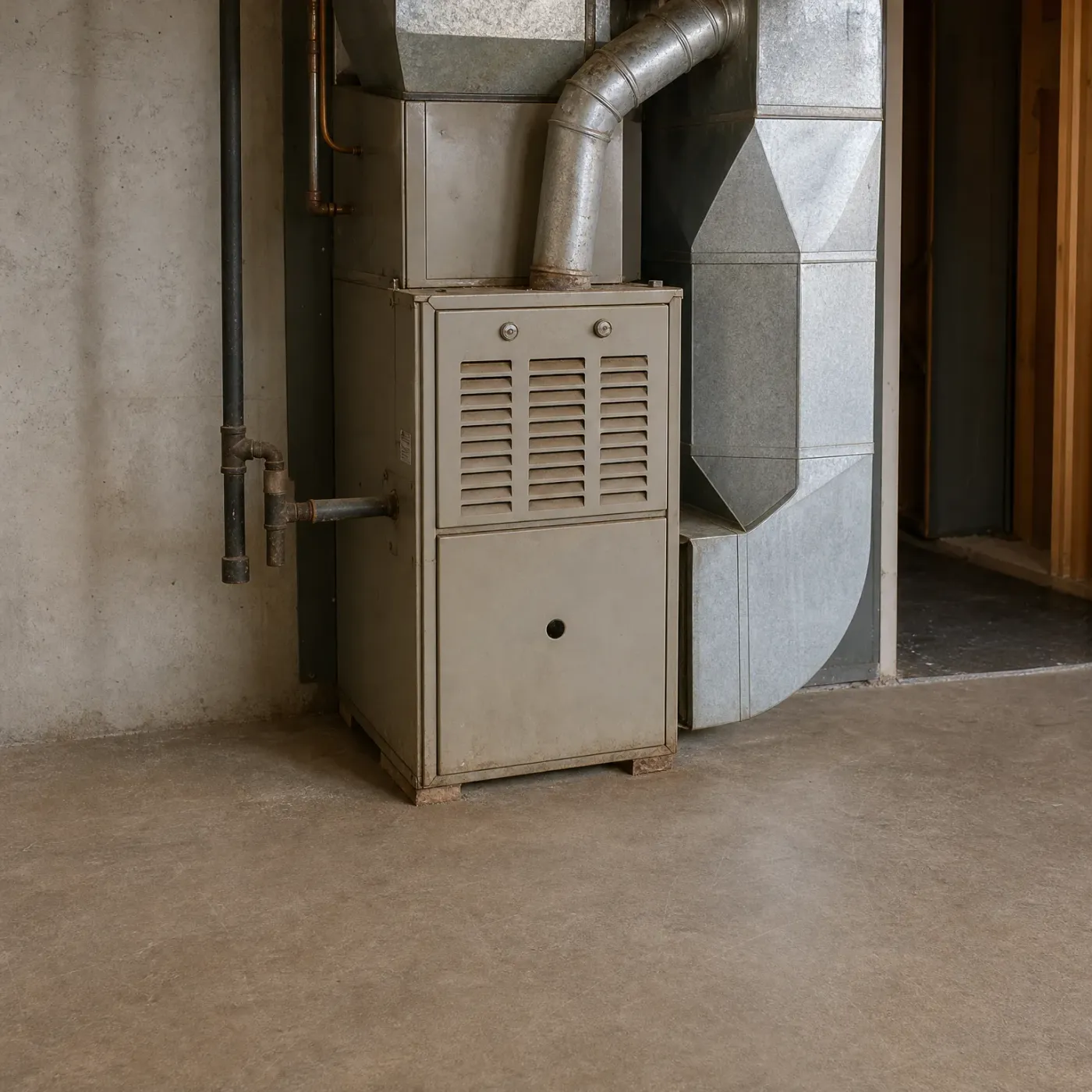
A beige metal furnace with a louvered front panel stands on a concrete floor against a concrete wall, connected to galvanized sheet-metal ductwork and a metal pipe.
Before you get your furnace installation
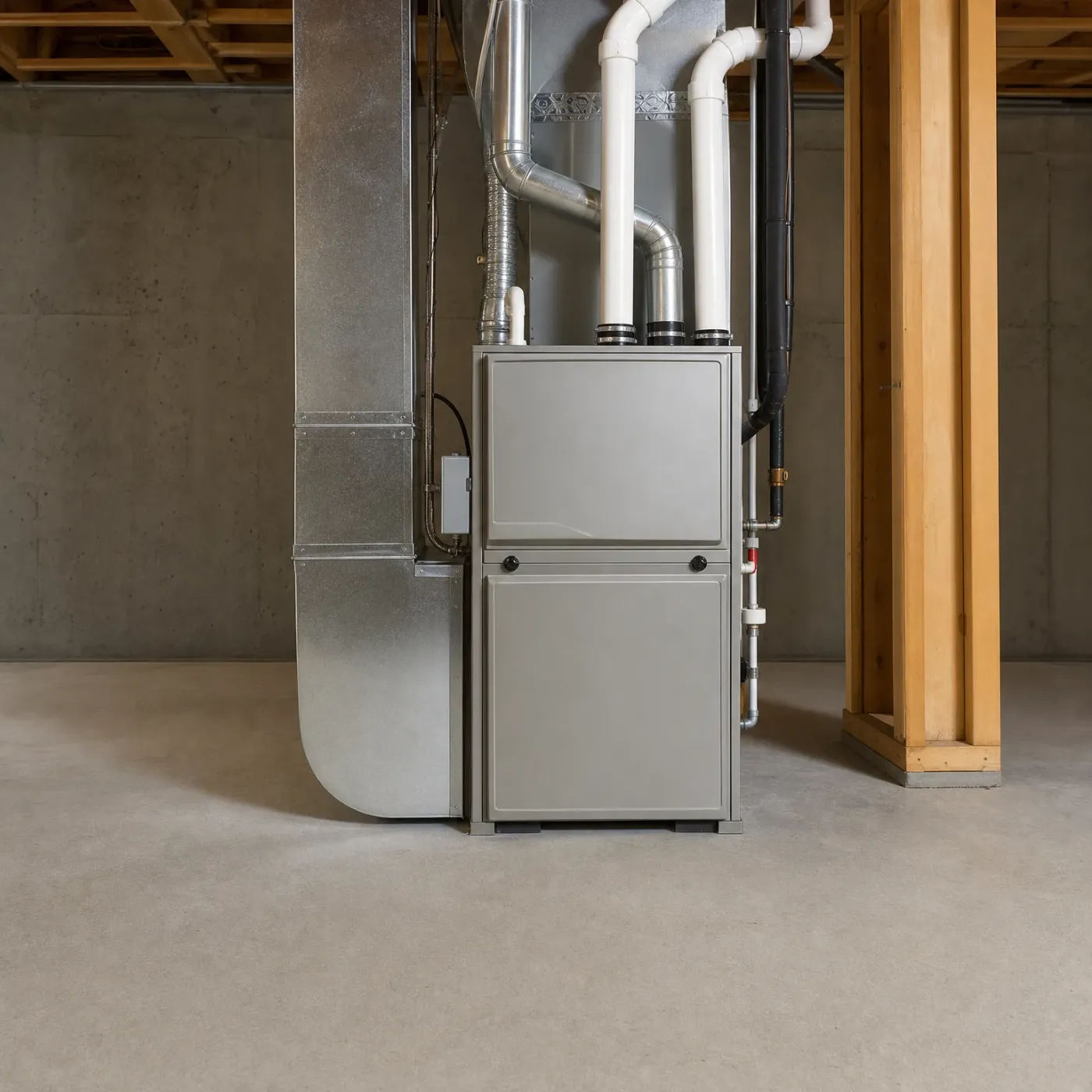
A gray high-efficiency furnace stands on a concrete basement floor beside sheet-metal ductwork, with white PVC vent pipes and a black flexible line running up to exposed wood floor joists, next to a wood-framed post against a concrete wall.
After you get your furnace installation

Get matched with a furnace pro in Tulsa County

A furnace swap is not a job to hand to whoever answers first. Venting changes with a high-efficiency unit, the PVC intake and exhaust have to run a certain way, and the condensate line has to drain where it should. A contractor who installs these every winter in Tulsa County has seen what gets missed and sets it up right the first time. That matters more than the furnace itself, since even a 95 percent AFUE unit only pays off if it is sized and vented correctly for your house. Submit your information once and it goes to one licensed local contractor, not a handful competing for the job. They can look at your current setup, your ductwork, and what your home actually needs through a Tulsa winter, and tell you whether a high-efficiency furnace makes sense for you specifically, not in general. With months of cold ahead, getting that answer now means you are not deciding in a hurry when the old furnace finally quits.


What you'd notice in your house

A high-efficiency furnace changes what you feel at the register before it changes your bill. The air coming out runs cooler than you're used to, because the furnace is wringing more heat out of the same flame and moving it with a variable-speed blower instead of one blast of hot air. Rooms even out instead of swinging between too warm and too cold. If your thermostat is in the hallway and the bedrooms run cold on a January night, that gap narrows. You'll also notice two PVC pipes at the furnace instead of one metal flue, and a small drain line nearby. None of that is a problem. It's how the unit works.

What it puts at risk if skipped

An older furnace doesn't fail all at once. The heat exchanger cracks slowly, the igniter weakens, and most people don't catch it until the furnace won't fire on the coldest night of the year, the one where a no-heat call sits behind twenty others. Waiting also means paying full winter gas prices for a unit that's losing more of that gas up the flue every year it ages. None of this means a furnace has to be replaced before it's ready. It means that if yours is already old enough that this question crossed your mind, the decision is better made before February, not during it.

A woman in a cream knit sweater sits in an armchair indoors, eyes closed and smiling, beside a window showing yellow and orange autumn foliage, with a mug on a wooden side table and shelves holding vases behind her.
A gray-haired man in a blue quarter-zip sweater sits in an armchair with his eyes closed, beside a large window with bare trees outside and a potted plant and lamp nearby.

Once the furnace pulls the extra heat out of the exhaust, that exhaust is too cool to float up a chimney the way an older furnace's does. So it gets pushed out instead. A small inducer motor forces the cooled exhaust through PVC pipe, usually out a side wall, and a matching PVC pipe brings in outside air for the flame rather than pulling it from inside your house. That matters if you've got a gas water heater or a dryer running at the same time, since none of them are fighting over the same air anymore. The water left over from cooling that exhaust collects in a trap along the drain line, and the furnace is built to notice if that trap goes dry or clogs. It shuts itself down instead of running with nowhere for the water to go. The igniter works the same way most of them do now: a hot surface element that heats up and lights the gas only when the thermostat calls for it, not a flame that sits burning all day waiting.

How a condensing furnace vents

  • A high-efficiency furnace has a second heat exchanger that pulls warmth from the exhaust before it leaves the house, which is why it needs the condensate line at all.
  • That second pass cools the exhaust low enough that it turns to water instead of staying a hot gas, so the furnace drains it rather than venting it as heat.
  • Because the exhaust is cool, it can't rise up a metal chimney on its own, so the furnace uses a small inducer motor to push it out through PVC pipe.
  • The intake pipe draws combustion air from outside instead of from the house, so the furnace isn't competing with your clothes dryer or bathroom fans for air.
  • The ignition is a hot surface igniter, not a standing pilot, so the furnace lights only when it's calling for heat.
  • A condensate trap sits in the drain line, and if it dries out or clogs, the furnace locks out rather than run with no place to send the water.
A gray high-efficiency furnace in a basement with PVC vent pipes, sheet-metal ductwork, copper and insulated pipes, a water heater at left, and an unfinished wood-stud wall at right.
PVC intake and exhaust pipes feed this furnace, and the tight seams on that ductwork show a system sized and sealed for Tulsa winters.
An older beige furnace with louvered front panels stands on a concrete basement floor beside galvanized ductwork, metal and plastic pipes, exposed wood framing, and a cylindrical water heater at right.
Galvanized ductwork and an aging flue like this one often mean a furnace losing more heat than it should, right when you need it most.
  1. Burner ignites and sends heat into the primary exchanger

  2. First exchanger warms the air moving through your ducts

  3. Cooled exhaust gas passes into the second heat exchanger

  4. Second exchanger pulls more heat out before venting it

Winter nights average 29°F

A 29°F average overnight low means your furnace isn't just kicking on at bedtime, it's holding that heat until sunrise, night after night, for three months straight. That's a long, steady draw on whatever efficiency the unit has.

NOAA nClimDiv 1991-2020

A woman with long gray hair wrapped in a checked blanket sits on a sofa by a window with yellow autumn foliage outside, with a lamp, framed picture and plant in the background.
An older woman in a cream knit sweater sits on a sofa by a window, looking out at sunlit trees with yellow and orange autumn leaves, with a bookshelf and lamp behind her.
A woman with gray shoulder-length hair in a dark knit sweater sits on a cushioned seat by a window, looking out at yellow autumn foliage, with a living room, armchair, houseplant and framed picture behind her.
An older woman with gray hair in a bun, wearing a cream knit sweater, sits on a sofa with a gray blanket and looks out a large window toward yellow-green autumn trees, with a lit table lamp and dark armchair behind her.

A furnace that runs seven months a year in Tulsa is either costing you more than it should every winter or paying you back for the switch. That's the whole question, and the AFUE number on the unit answers it. A higher-efficiency furnace needs the venting and condensate line run correctly to do what it's supposed to do, and that's a job for someone who installs them every winter and knows where they usually go wrong, not whoever can start soonest. Getting matched means one licensed contractor local to Tulsa County reaching out, someone who works on this kind of furnace in this kind of cold all season, rather than a handful of companies competing for your number. You know what your furnace costs to run now and how long your winters last. That's enough to decide whether the switch makes sense for your house.

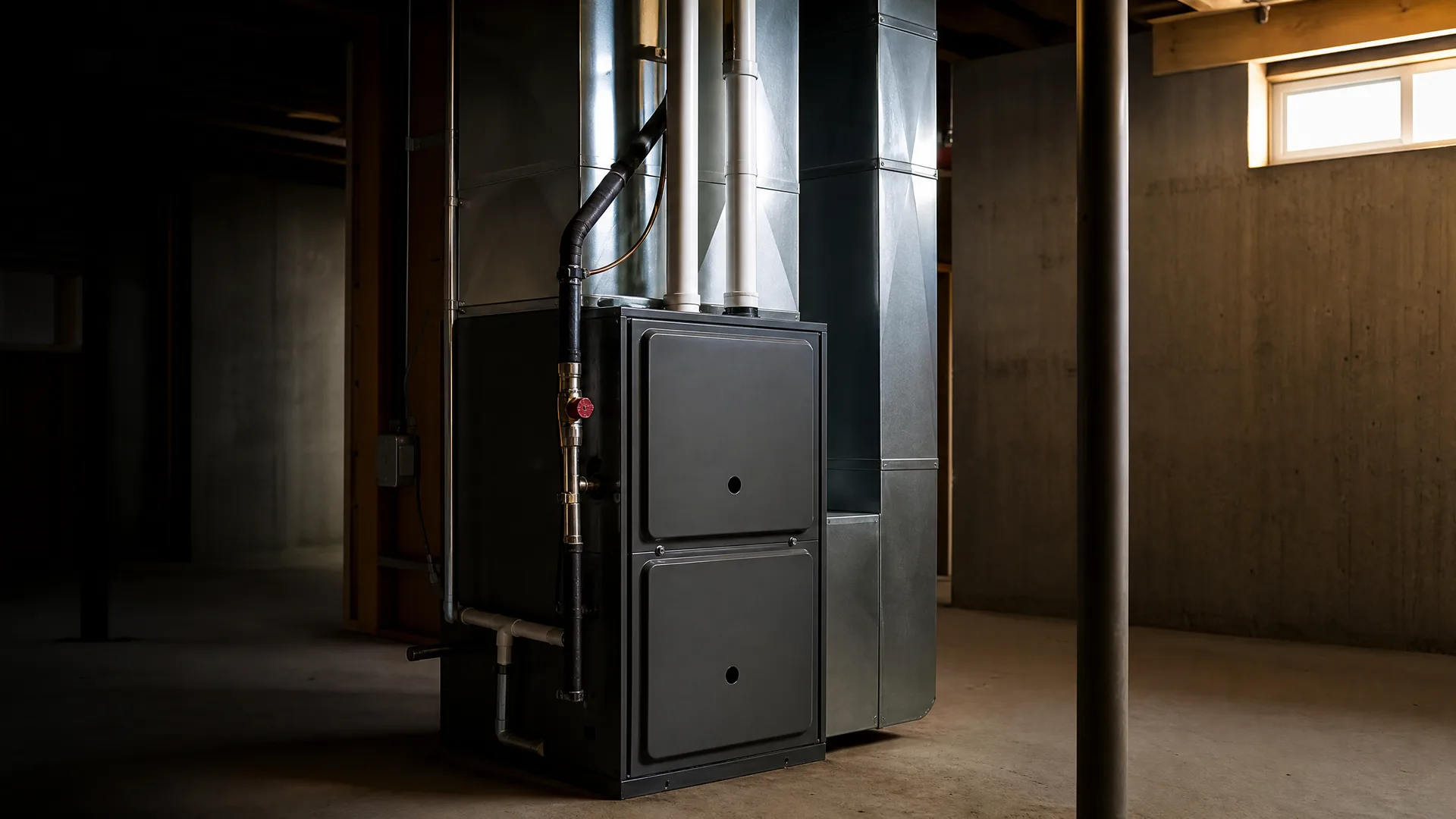
A dark gray high-efficiency furnace with two white vent pipes and connected sheet-metal ductwork stands in an unfinished basement with concrete walls, a support pole, and a small window.

Find a furnace installation pro in Tulsa County

Step 1 of 3: Equipment