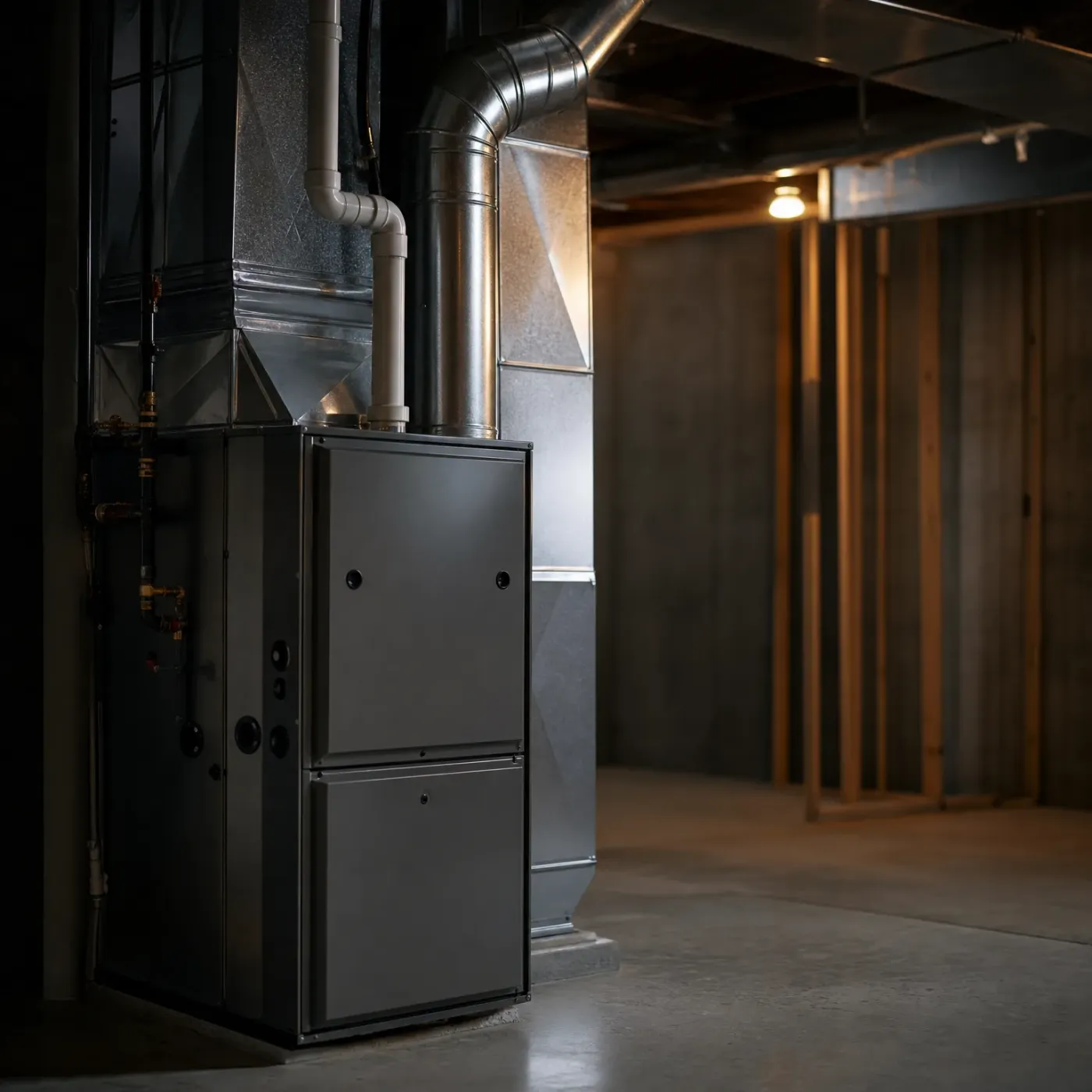
Finding a pro stops being your job
Repair or replace an aging furnace in Oklahoma
Your gas furnace is on its way out, and you need to know whether to fix it or replace it. That depends on its age, what's wrong with it, and what a repair will actually buy you. This page walks through how to make that call for a furnace in an Oklahoma home, and gets you to someone local who installs and repairs them for a living.
Let a pro reach outMost of the time, the answer comes down to age and what's actually broken. A gas furnace that's 15 to 20 years old and needs a major part like a heat exchanger or a cracked blower is usually worth replacing, since that single repair can cost close to half of a new unit while the rest of the furnace is just as old. A furnace under 10 years old with a bad igniter, flame sensor, or capacitor is almost always worth fixing. Oklahoma winters put real demand on a furnace for several months a year, and an old unit working harder to keep a house warm is also the one most likely to fail on a cold night. If yours is breaking down for the second or third time in a couple of years, that pattern matters more than any single repair bill.

The thermostat calls for heat and sends power to the control board.
The inducer motor starts and clears the exhaust path before ignition.
The igniter heats up or sparks to light the burners.
Burners fire and heat the metal heat exchanger inside the furnace.
Is your furnace telling you it's done?
You probably noticed something before you went looking for this page. Maybe the burners take a few tries to catch, or the furnace runs long stretches without actually warming the house. Some rooms stay cold while the one with the thermostat reads fine. You might hear a boom when it ignites, or a screech from the blower, or smell something faint and a little like gas for a second when it kicks on. The gas bill might be creeping up for no reason you can point to. None of that is normal, and a furnace that's struggling to light or heat evenly can leave you with cold rooms on the mornings you need heat most, or worse, a safety issue with how it's burning gas.
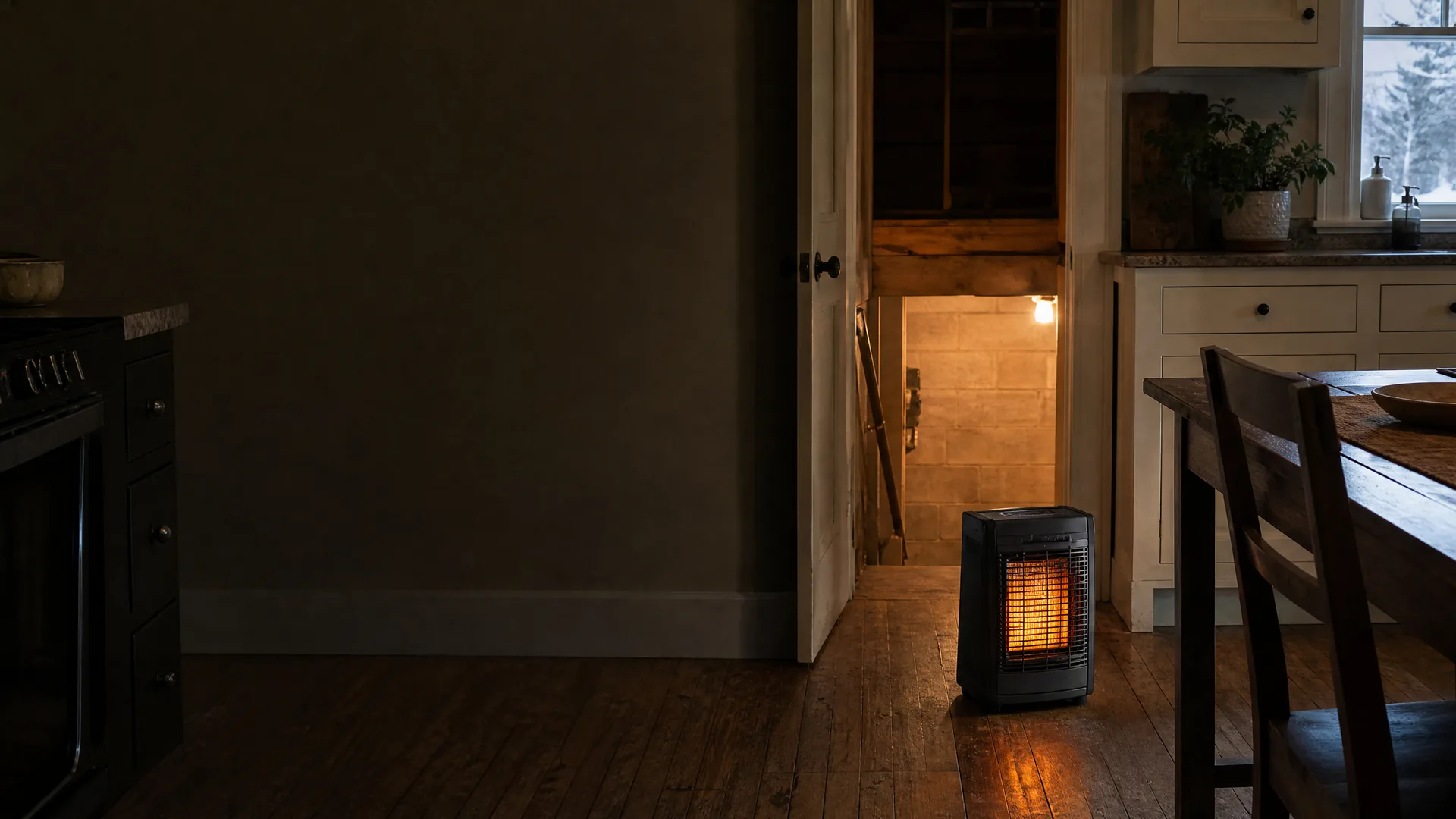
You're up before the sun, same as every morning this time of year, and the kitchen still has a bite to it. The space heater's pulled up close to the table, its coil glowing orange, because the vents nearby are blowing air that's barely warm. The basement door stands open behind it. You went down twice already, once to check the pilot through the little window, once just to stand near the furnace and listen to it try. It's taken to running long stretches without the house ever feeling caught up. You've got coffee going and a kid getting dressed upstairs, and you're doing the math on how many more mornings you want to start this way before someone else looks at it.
Let someone else find the pro
A furnace that's quitting on you in the middle of an Oklahoma winter isn't something to sit with while you collect three bids. Gas furnace work in a home here means someone who knows the gas line, the venting, and the control board well enough to tell you straight whether that heat exchanger is worth saving or not. Send the request and it goes to one licensed contractor local to you, not a handful of companies competing for your callback. That's someone who's been inside furnaces like yours all winter, who's seen which part fails first in houses on your street. You stop having to guess which company to trust or chase down someone who'll actually show up. The decision about repair or replace still needs a look at your actual furnace, the actual part that's failing, and what that repair would cost against a new system. Handing that off to someone who does this work every day is faster than trying to sort it out alone while the house keeps getting colder.
What a heat exchanger failure means
The heat exchanger is the metal chamber that holds the flame away from the air blowing through your house. When it cracks, that separation is gone, and combustion gas can mix with the air your furnace pushes into the rooms. There's no patching it. A contractor who finds a cracked heat exchanger will tell you the furnace needs to be shut down, not nursed along. That's one reason age matters so much in this decision. Metal fatigues after enough heating cycles, and a furnace in its second decade has run through a lot of them. If yours is old enough and this is the part that failed, replacement isn't really competing with repair. There's nothing to repair.
Why the inducer motor matters here
Before your furnace lights, the inducer motor runs first and clears the old exhaust out of the flue. If it's weak or failing, ignition gets delayed or skipped, and you'll hear the furnace try, stop, and try again. That part alone usually isn't a reason to replace. It's a contained repair on most furnaces. What it tells you is different: a furnace old enough to have a tired inducer motor is also old enough to have a heat exchanger working toward the same fate. One repair now can be reasonable. The same part failing twice in a few winters is the furnace asking for a bigger decision.
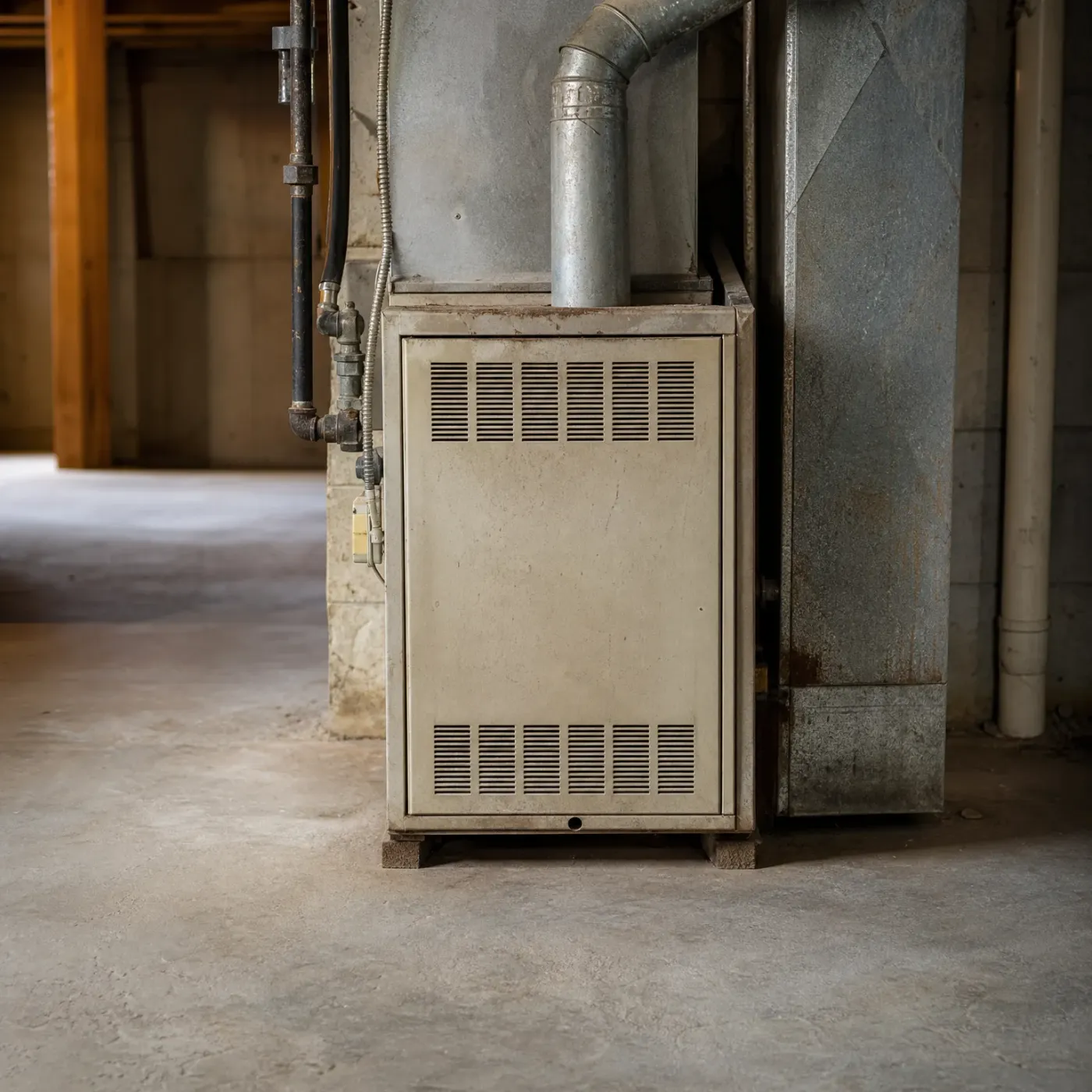
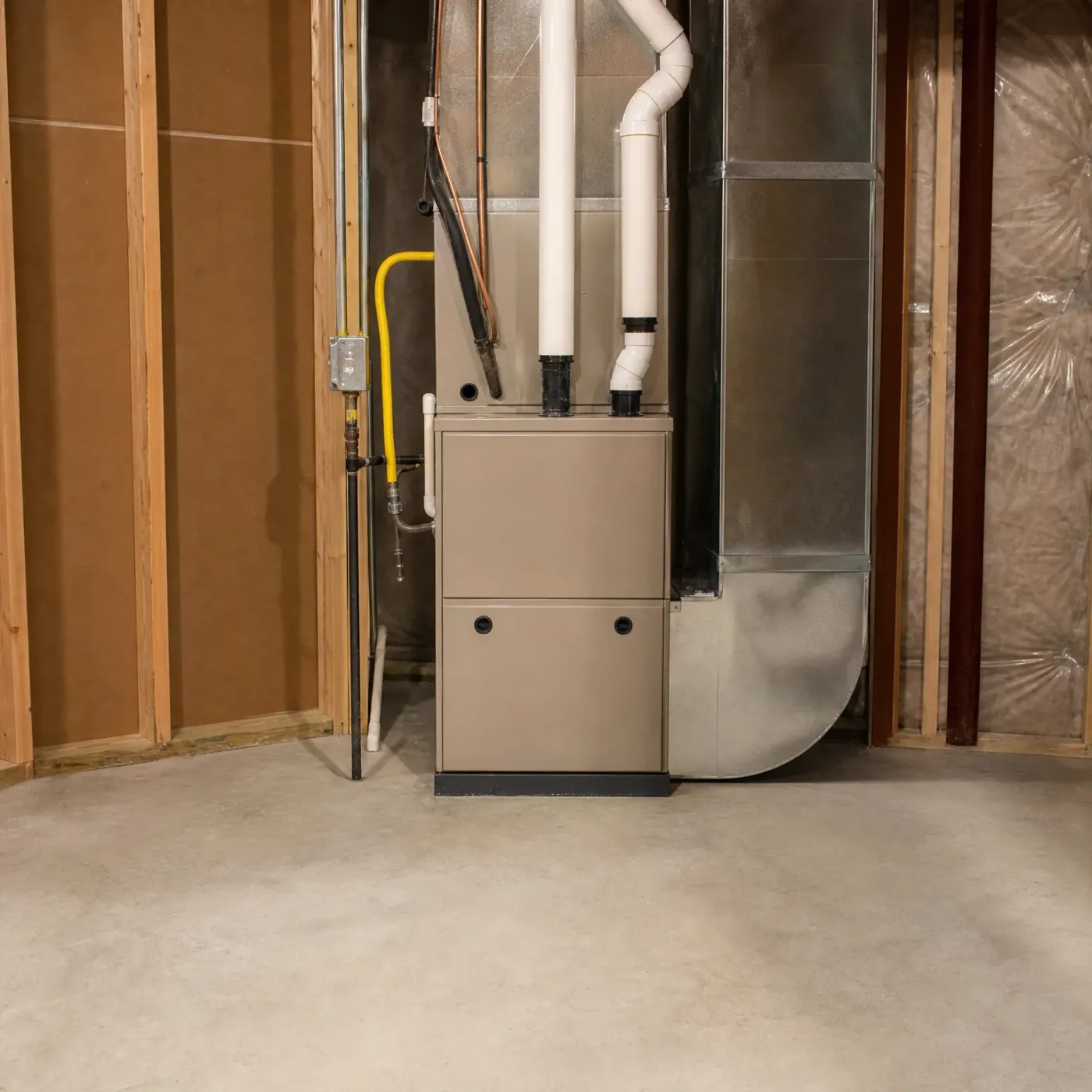
Winter nights average 30°F statewide
That 30°F overnight average means your furnace is firing for long stretches most nights from December through February. A unit that's already struggling to keep up will show it most in those early morning hours, right when you need the heat the most.
NOAA nClimDiv 1991-2020 county normals weighted by homes
Repair or Replace: Where You Stand
- A furnace 15 to 20 years old needing a heat exchanger or blower is usually worth replacing, not repairing.
- A cracked heat exchanger means combustion gas can reach the air your furnace pushes through the house.
- Cold rooms, long run times, and hard-starting burners point to a furnace losing the fight, not a fluke.
- Oklahoma mornings in the 30s mean a weak furnace shows its limits right when you need it most.
- A newer furnace with one failed part is usually worth fixing rather than replacing outright.
- The choice comes down to the furnace's age and what's actually failed inside it.
By now you've got a read on your own furnace. If it's old and the failure is big, the math rarely favors fixing it. A heat exchanger or a blower on a furnace that's already 15 to 20 years in means you're paying a large repair bill to keep an old machine running a few more winters, with another failure likely not far behind. If what you've got instead is a newer furnace with one part gone bad, that's a different situation entirely, and the repair is usually the right call. The symptoms matter too, not just the age. A cracked heat exchanger isn't something to watch and wait on, since it puts combustion gas where your breathing air is. Cold rooms, a furnace that runs and runs without catching the house up, burners that struggle to light on the first try, these are a system telling you it's losing ground. Oklahoma doesn't give a weak furnace anywhere to hide. Mornings in the 30s from December through February mean long run times every single night, and a unit that's barely keeping up in October will fall behind for good once the cold settles in. Whatever you've found when you look at your own furnace, age and what's actually broken are the two things that answer this question. Everything else is detail.


Furnace Installation
One request and it's handed off
Your request goes to one pro, not a list of companies.