
Signs of a cracked heat exchanger in Oklahoma
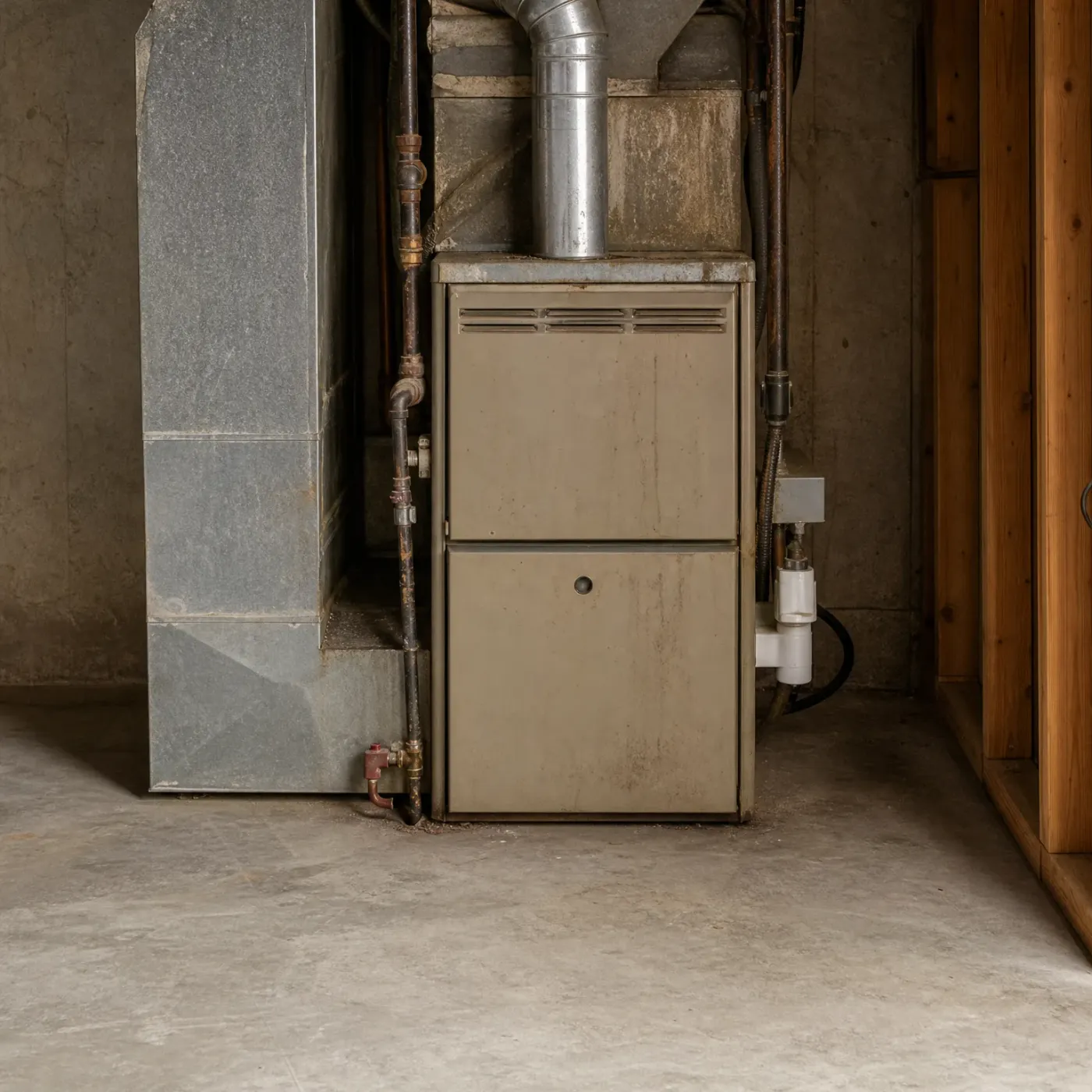
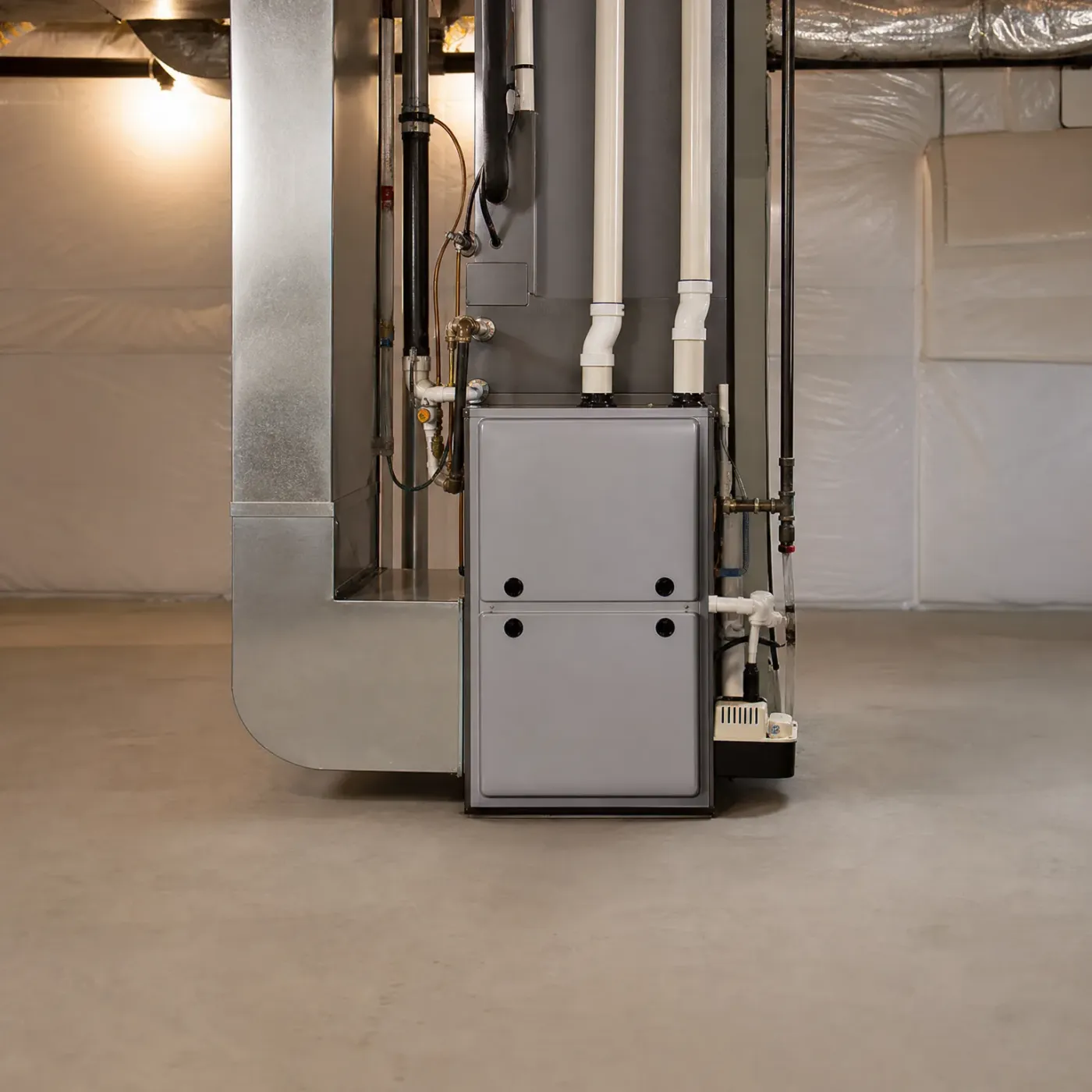
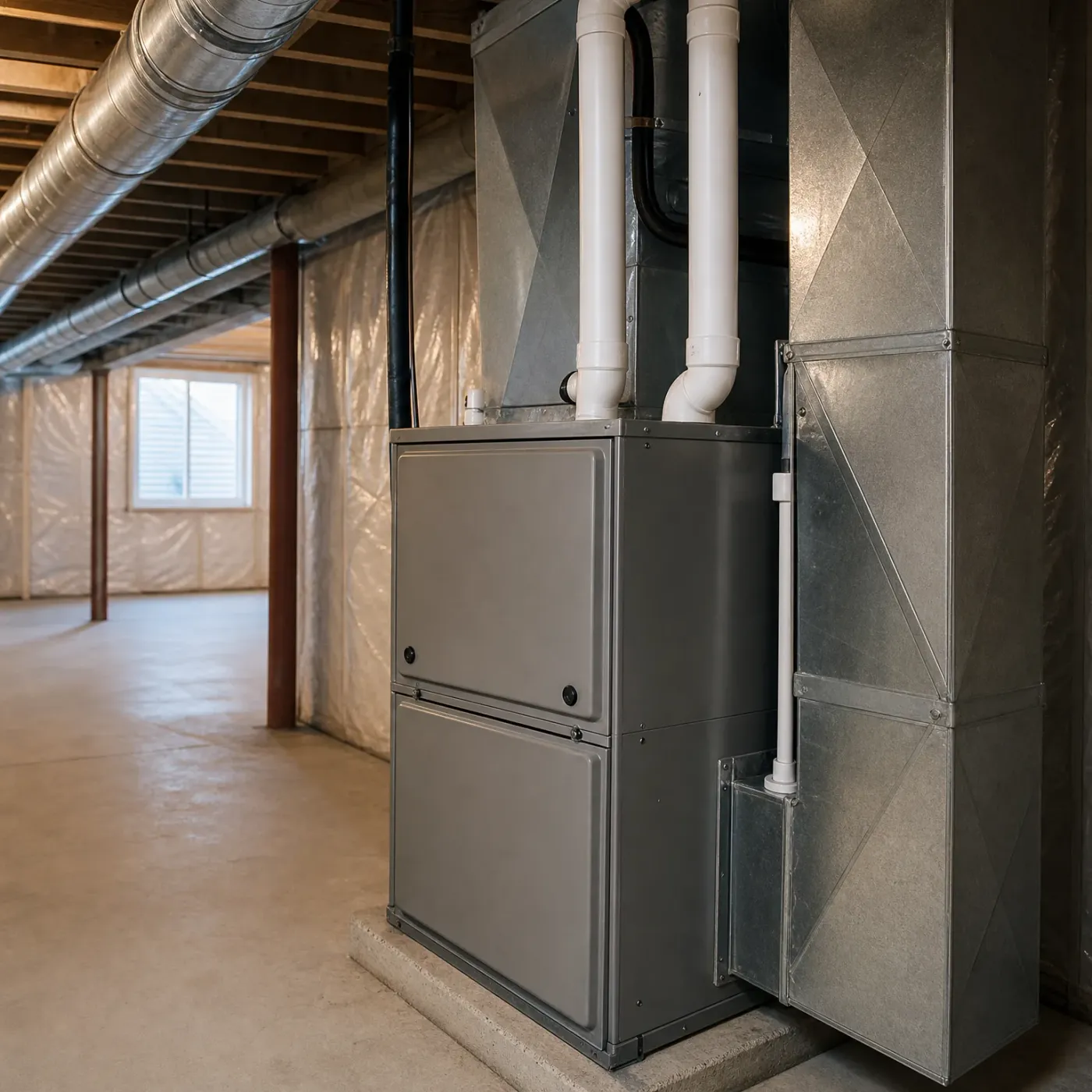
A cracked heat exchanger shows up as a smell like formaldehyde, soot around the furnace, a yellow flame instead of blue, or soot streaks on the cabinet. Some people notice headaches or feeling sick when the furnace runs, then fine once it shuts off. The exchanger is the metal chamber that holds the flame away from the air blowing through your ducts. It cracks from years of heating up and cooling down, over and over, every winter. Once it cracks, exhaust gas including carbon monoxide can mix into the air moving through your house. Gas is how most homes in Oklahoma heat, so this is a furnace most of you have. If your carbon monoxide detector has gone off, or you smell something off near the furnace, shut it down and don't run it until someone who works on these has looked at it. This isn't something to wait on or watch for a while.




Why the crack causes those symptoms
A furnace burns gas inside the heat exchanger and that exchanger separates the flame from the air that circulates through your ducts. When metal cracks, exhaust gas can mix into that air instead of going out the flue. That's where the smell comes from, and it's why a yellow flame shows up too. A blue flame means the gas is burning clean. A yellow or flickering flame means it isn't getting enough air, which happens when a crack changes how air moves through the burner compartment. The soot is unburned fuel from that same bad combustion, and it settles on the cabinet and nearby surfaces over time.
Why it gets worse while the furnace runs
The exchanger is metal, and metal expands when it heats up. A hairline crack that sits closed when the furnace is off can open wider once the burners fire and the metal warms through a heating cycle. That's why someone might feel fine in a cold house and start getting a headache twenty minutes after the furnace kicks on, then feel better once it cycles off and the metal cools back down. Oklahoma winters mean that furnace is running for months at a stretch, often overnight, so a crack that only leaks when hot can go unnoticed far longer than people expect.
Winter nights average 30°F statewide
At 30°F overnight, your furnace is running long stretches to keep up, often most of the night. A cracked exchanger that's leaking exhaust gets more exposure to your ductwork the more that furnace cycles, so a crack you could ignore in October becomes a real problem by January.
NOAA nClimDiv 1991-2020 county normals weighted by homes
How a Crack Actually Forms
- Heat exchangers crack along welded seams first, since that's the weakest point in the metal.
- Age and metal fatigue from repeated heating and cooling cycles cause most cracks, not a single defect.
- A technician checks for cracks with a borescope, a small camera fed into the exchanger chambers.
- Some cracks only open once the metal heats up and expands, so a cold furnace can look fine.
- A cracked exchanger can trip a carbon monoxide detector even when the furnace seems to run normally.
- Furnaces with a clogged filter or blocked vent run hotter, which speeds up cracking over time.
The exchanger heats up and cools down every time your furnace cycles on and off, and the metal expands and contracts a little each time. Over years of that movement, the welded seams are where it gives first. That's the thinnest, most stressed part of the whole chamber, so a technician checking for damage starts there. A furnace that's short-cycled thousands of times over its life has earned a crack through ordinary wear, not through any one bad part or bad install. That's why a tech can't always just look and tell. A borescope, a thin camera on a cable, gets fed into the chambers to see seams and bends a flashlight can't reach. Even then, a crack doesn't always show itself cold. Metal expands when it's hot, and some cracks only gap open once the furnace has been running a while, closing back up as it cools. A furnace that passes a five-minute inspection can still be leaking exhaust an hour into a cold snap. A clogged filter or a blocked vent makes all of this worse, since the furnace runs hotter and longer than it's built for, straining those seams faster than normal use would. If you've got a carbon monoxide detector going off near the furnace, even with everything else looking ordinary, that is reason enough to shut the furnace down and have it looked at before running it again.
A pro who works on furnaces
Only one pro gets your request, so you hear from one company.
Describe your furnace job, and a local pro who handles it gets in touch.
It costs nothing to send, and you don't have to hire anyone.
Can a cracked heat exchanger make you sick?
You keep seeing carbon monoxide poisoning linked to furnaces online, and you want to know if that's really the risk with a cracked heat exchanger or if it's overstated. Maybe someone in the house has had headaches or felt off during the colder months, and you're trying to figure out if the furnace is the reason before you call anyone out.
Yes, through carbon monoxide leaking into the air your furnace sends through your ducts
Carbon monoxide has no smell on its own, so the formaldehyde-like odor people notice usually comes from other gases escaping with it through the crack. Low-level exposure causes headaches, nausea, and fatigue that can look like a cold or the flu, and it tends to ease once you're out of the house or the furnace shuts off. Higher exposure is more dangerous and can affect anyone in the home, but it hits children, older adults, and pregnant women harder. A carbon monoxide detector near the furnace and on each level of the house is the only reliable way to catch this before symptoms show up, since you can't see or smell the gas itself.

Metal along a welded seam fatigues from repeated heating and cooling cycles.
A hairline crack opens where that seam has thinned out.
The burner fires and pressure inside the exchanger rises and falls.
That pressure change pulls exhaust gas through the crack into the air stream.

A cracked exchanger doesn't wait for a convenient time to fail
A furnace that's cracked now will still be cracked in January, running longer hours at 30°F and pushing more exhaust into the air your ducts carry. Catching it at the smell, the soot streak, or the flame that's gone yellow instead of blue is the whole point of checking now instead of waiting for a cold snap to force the issue.
A local contractor who works on furnaces all winter has seen what a cracked exchanger looks like in person, not just on a checklist, and can tell you quickly whether what you're seeing is that or something else. Getting matched means one licensed contractor near you reaches out, not a handful of companies competing for your number. You'll know where you stand once they've had a look.



Get your furnace to the right pro
A cracked heat exchanger is not something to guess about. A licensed furnace contractor near you can check it with a borescope and tell you for certain. Once you request a match, one local contractor who works on gas furnaces all winter reaches out, not a handful of companies competing for the job. They know which seams crack first and what to look for in a furnace that's run for years through Oklahoma winters.
Your request stays with one local pro.
No charge to send it. You decide if you hire them.