
Signs your furnace won't last an Oklahoma winter

Say what's going on with your furnace, and a pro who works on them reaches out.

Find a furnace pro

What are the signs my furnace won't last the winter in Oklahoma?

You want to know before the cold hits, not during it. A furnace that struggles in November usually gave some warning first, and once an Oklahoma winter sets in, a breakdown means days without heat while you wait on a repair. Catching the signs now means you have time to get someone out before the hard freezes start.

Short cycling, yellow flames, strange noises or a rising gas bill mean trouble ahead

A furnace that turns off before the house warms up is short cycling, and it usually means a failing igniter, a dirty flame sensor or a cracked heat exchanger. A burner flame that's yellow instead of blue points to incomplete combustion, which can mean carbon monoxide leaking into the house. Banging, rattling or a screech on startup means a part inside is wearing out, often the blower motor or its bearings. A gas bill that climbs without colder weather to explain it means the furnace is working harder to do the same job. Any one of these on its own is worth a call. Several at once mean the furnace may not make it through a hard freeze without quitting.

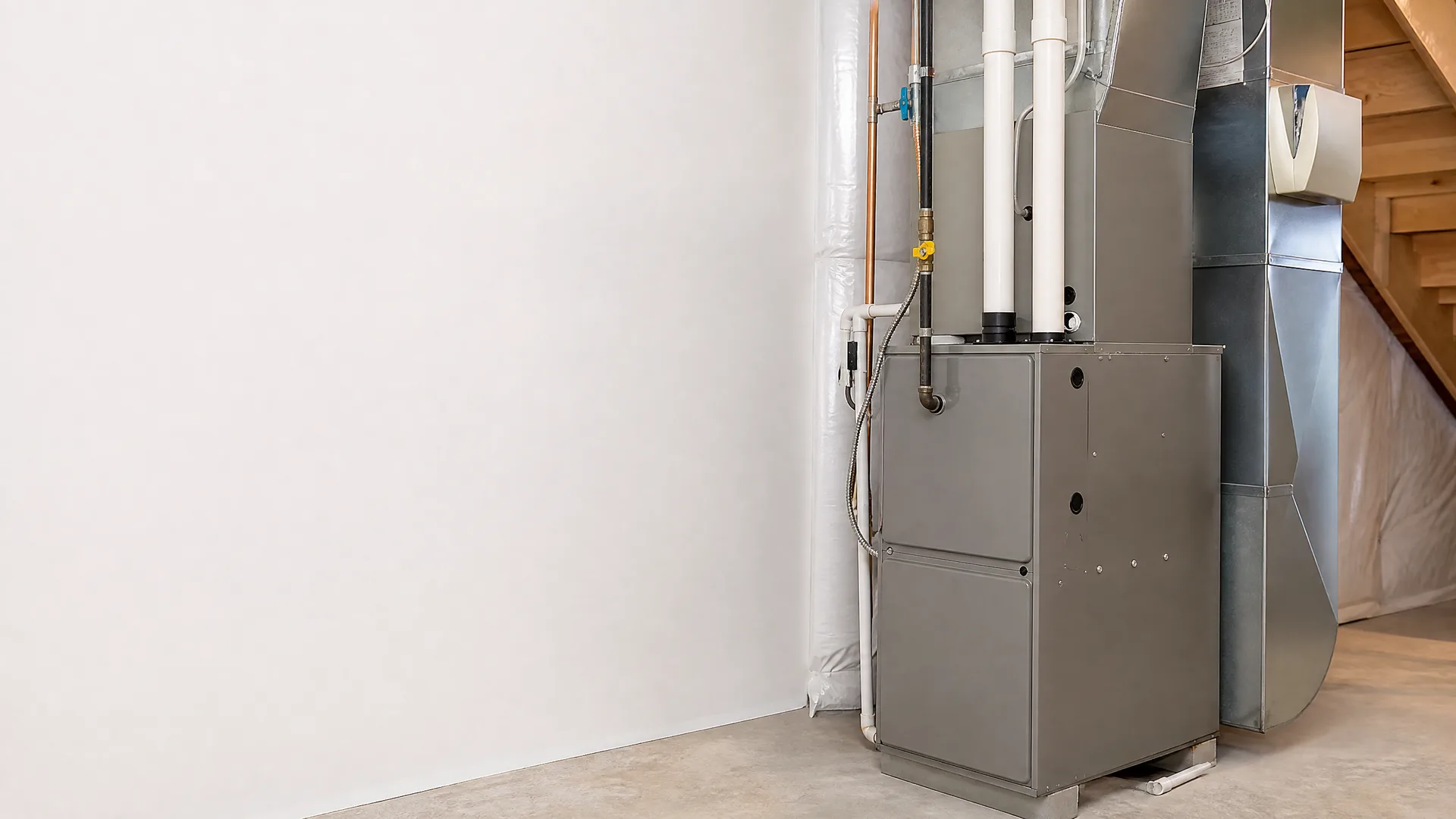
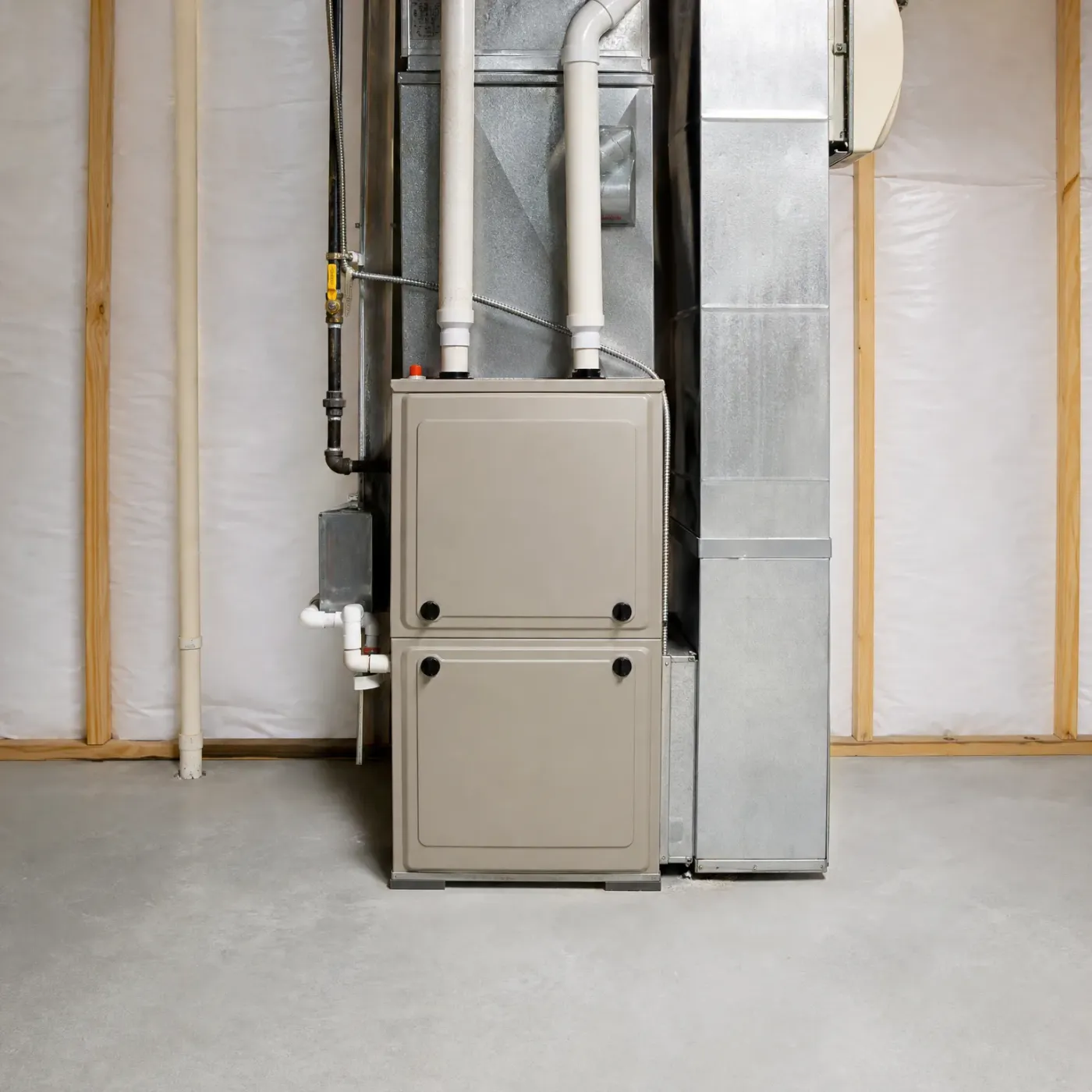
A beige high-efficiency furnace stands on a concrete basement floor beside sheet-metal ductwork, with white PVC vent pipes and a gas line running along an insulated wood-framed wall.

Running the way it should

The burners light on the first try and the air coming out of the vents is hot all the way through the house. It cycles on, runs for a while, shuts off, and stays quiet until the next cycle. No smell, no bang when it starts, no room that stays cold no matter what the thermostat says.
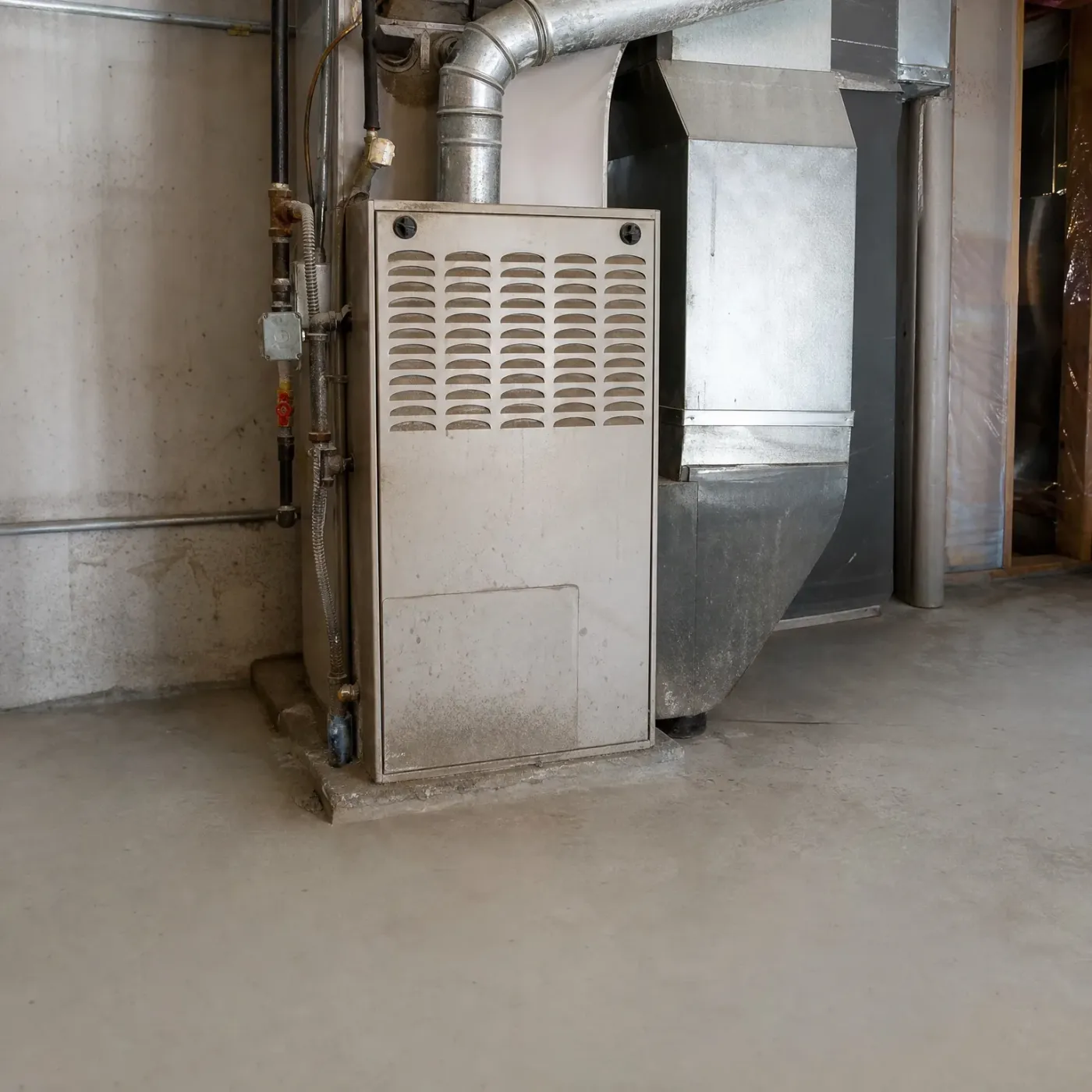
An older metal furnace with a louvered front panel stands against a concrete basement wall, connected to sheet-metal ductwork and a flue pipe, with copper and steel pipes running alongside.

Working against itself

Dust has settled over the cabinet and the vents look like they have not been cleaned in a long time. It takes a few tries to light, or it clicks and clicks before it catches. Some rooms stay cold, the burners look yellow instead of blue, and it short cycles more nights than not.

Worth watching or worth a call

Can wait

  • A pilot light that's yellow instead of blue is worth a look, but the furnace will still run tonight.
  • A thermostat that's a degree or two off is annoying, not dangerous, and won't leave you without heat.
  • Dust blowing out of the vents when it first kicks on usually clears up after a few minutes.
  • A slightly higher gas bill than last January can mean a lot of things besides a dying furnace.
  • One or two short cycles on a very cold night often just means the system is working hard, not failing.

Call now

  • A furnace that won't stay lit, or that clicks and tries to start several times before it catches, is close to leaving you without heat.
  • Soot around the access panel or a burner flame that's orange instead of blue points to a combustion problem that needs a look before the next cold snap.
  • A grinding or scraping sound from the blower means a motor part is wearing out, and it tends to go from noise to no heat without much notice.
  • Rooms that stay cold no matter how long the furnace runs often mean it can't keep up, and an Oklahoma cold front will find that weak spot fast.
  • If the furnace is already short-cycling or shutting off on its own during mild weather, a hard freeze is the wrong time to find out why.
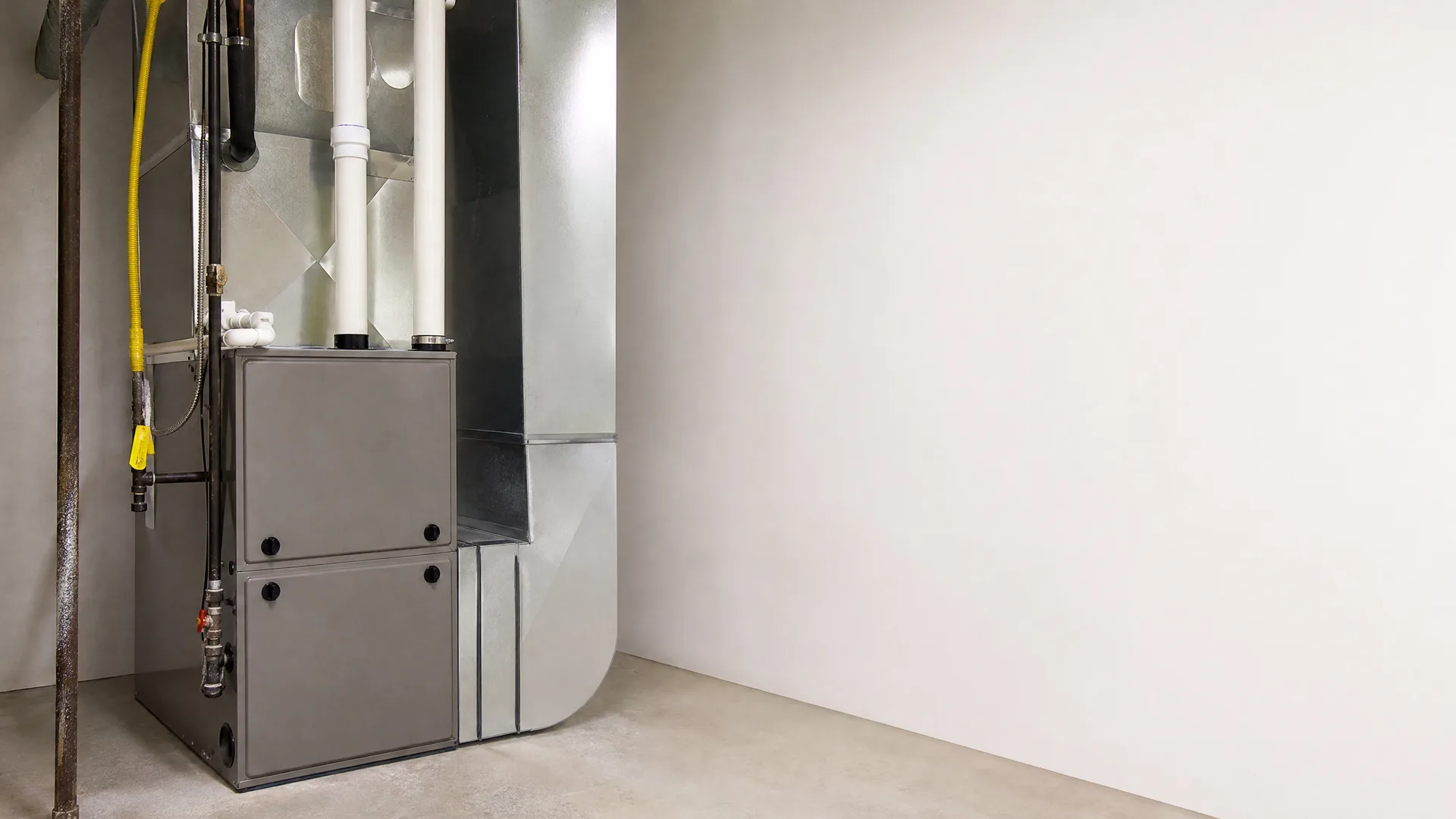
A gas furnace with two gray access panels stands against a plain wall in a basement, connected to sheet-metal ductwork, white PVC vent pipes, and a yellow gas line.

Why the igniter matters most

Most furnaces built in the last couple decades use a hot surface igniter instead of a standing pilot. It's a small ceramic strip that glows to light the gas, and it takes the strain every single time the furnace cycles on. A furnace that short cycles on a cold night might light forty or fifty times before morning. Igniters wear out from that repeated heating and cooling, and when one is close to failing, the furnace will often attempt to light, fail, and try again before locking out.

A gray high-efficiency furnace in a basement corner with white PVC vent pipes, copper and black gas piping, and sheet-metal ductwork beside a plain white wall and wooden stair framing.

What the heat exchanger does

Gas burns inside a metal heat exchanger, and a blower pushes house air across the outside of it so the air picks up heat without touching the flame or the exhaust. A crack in that metal lets combustion gas mix into the air going through your vents. It's why a furnace that trips its own safety switch and shuts down mid-cycle shouldn't just get reset and ignored. That switch is often the only thing standing between a cracked exchanger and the air your family breathes.

Winter nights average 30°F statewide

A 30°F night means your furnace is running most of the night to keep up, not just kicking on now and then. If it's already short-cycling or struggling to heat evenly, those long runs are what will push it past the point of limping along.

NOAA nClimDiv 1991-2020 county normals weighted by homes

A woman in a gray turtleneck sweater stands by a window looking outside at snowy ground, with a dimly lit living room containing a sofa, shelves, lamp and a lit candle behind her.
A woman in a cream cable-knit turtleneck sweater stands in a warmly lit living room with a fireplace and shelves behind her, looking out a window toward snow-covered trees and a railed deck.
A woman in a cream knit turtleneck sweater stands by a window looking out at snow, with a lit fireplace, sofa and lamp in the room behind her.
A woman in a gray knit sweater sits by a window looking out at falling snow, with a dimly lit living room containing a sectional sofa, pillows, a lamp and houseplants behind her.

A pro who works on furnaces

You've read through the signs. Maybe one or two matched what's happening in your house right now, the banging, the short cycles, the room that never quite gets warm. Knowing the signs is one thing. Getting someone out to look at the furnace before the next cold front is another. Oklahoma winters don't wait for a convenient week, and a furnace that's already struggling in October won't get better on its own by January. A contractor who can look at the actual unit, the actual igniter or blower or whatever's failing, is the only way to know if it needs a repair or if it's done. Once you send the request, that part is off your plate. You don't have to track down who's available or whether they do furnace work. Someone who covers your area gets the details and reaches out. That's one less thing to manage while the temperature keeps dropping outside.

What it looks like at home

You're in the room with the vent running and still reaching for a blanket. The thermostat says 70 but it doesn't feel like it, especially in the room furthest from the furnace. You start closing off rooms you don't use, or running a space heater next to the couch. The gas bill climbs because the furnace is running longer to make up the difference, and you're paying for heat that isn't reaching you. None of this fixes itself once the temperature drops into the 20s overnight and stays there.

What it risks if you wait

A furnace that's already struggling has less room to handle a hard freeze. The parts working overtime now, the igniter, the blower motor, are the ones most likely to quit on the coldest night of the year, which is also the night a repair takes longest to get. Waiting past small signs doesn't save the furnace any strain, it just moves the breakdown to a worse time. A furnace that goes out in a January cold snap leaves you without heat exactly when you need it most.

A bearded man in a blue and brown plaid flannel shirt stands indoors looking out a window at snow-covered trees, with a ceramic mug on the windowsill.
A man in a blue T-shirt sits on a light gray sofa, laughing while looking at an open laptop in the foreground, with a framed picture, lamp and potted plant behind him.

Where that leaves you

  • A furnace that bangs, short cycles, or can't hold a room's temperature is telling you something before it fails outright.
  • None of these signs mean the furnace is dead tonight, but they mean a January night is the wrong time to find out.
  • A weak igniter or a cracked heat exchanger doesn't fix itself, and an Oklahoma cold snap is what finally pushes it past limping along.
  • The furnace that makes it through the winter is the one that gets looked at while it's still just making noise.
  • Once you send the form, finding a contractor is off your plate, someone reaches out and takes it from there.

A furnace doesn't usually fail without warning. It bangs when it starts, it runs longer than it should, it leaves one room cold no matter where the thermostat is set. Those are the signs that matter, and if you've been reading along nodding at one of them, that's the one to deal with now instead of in January. Nothing here means your furnace is about to quit tonight. It means the part that's struggling, the igniter, the heat exchanger, whatever's making the noise or missing the mark, isn't going to get better on its own, and a hard freeze is exactly what turns a small problem into no heat at all. The furnaces that make it through an Oklahoma winter aren't the newest ones or the quietest ones. They're the ones somebody looked at while the problem was still small enough to fix on a mild afternoon instead of a 20 degree night. You don't have to know which part is failing or what it'll take to fix it. You just have to notice that something's off and not wait on it. Send the form and that's as far as it goes on your end. Someone who works on furnaces for a living takes it from there, and figuring out who to call and when they're free stops being one more thing on your list. The cold doesn't wait. There's no reason you should either.

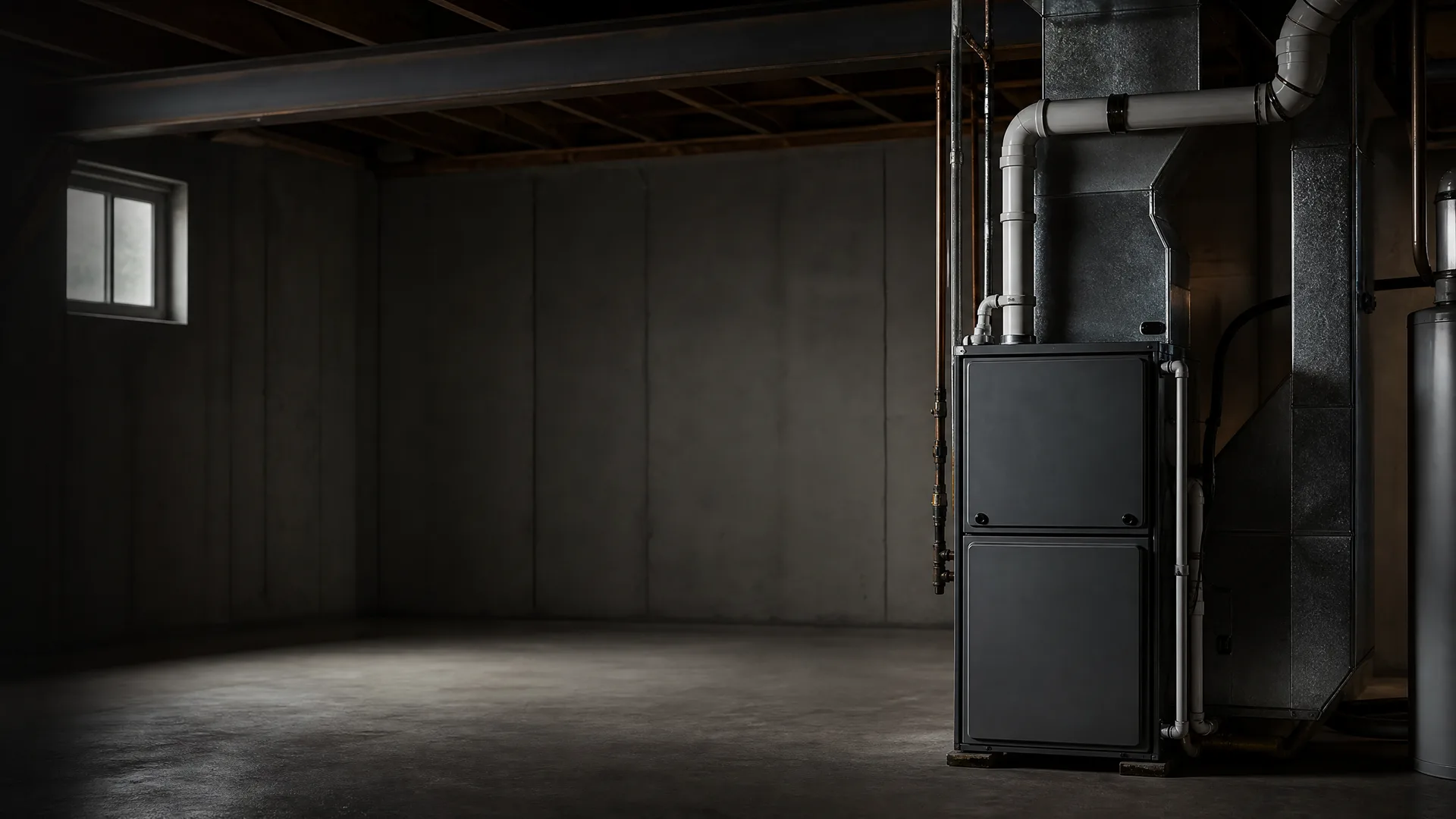
A dimly lit unfinished basement with concrete walls and floor, exposed floor joists, a small window at left, and a dark furnace with PVC venting and sheet metal ductwork at right.

Get your furnace to the right pro

Get the furnace repair search off your mind today.

Step 1 of 3: Equipment