What temperature to set the heat in an Oklahoma winter
Send the form, and lining up the furnace tune-up stops being yours to chase.
Most homes in Oklahoma do fine with the thermostat set between 68 and 70 degrees during the day, and a few degrees lower overnight. That range keeps your furnace running in steady, shorter cycles instead of working to catch up after long periods off. Oklahoma winters swing hard, a mild 50 degree afternoon can drop into the 20s after a cold front moves through, and a furnace set too low gets caught chasing that swing. Set it higher than 70 and you're mostly just paying for heat you won't notice, since most homes here run on gas and the extra comfort rarely matches the extra cost. What matters more than the exact number is consistency. A furnace that holds one setting runs more efficiently than one bounced around by a few degrees every time someone feels a draft. If your house still feels cold at a normal setting, that's usually a sign something needs a look, not a reason to push the dial higher.
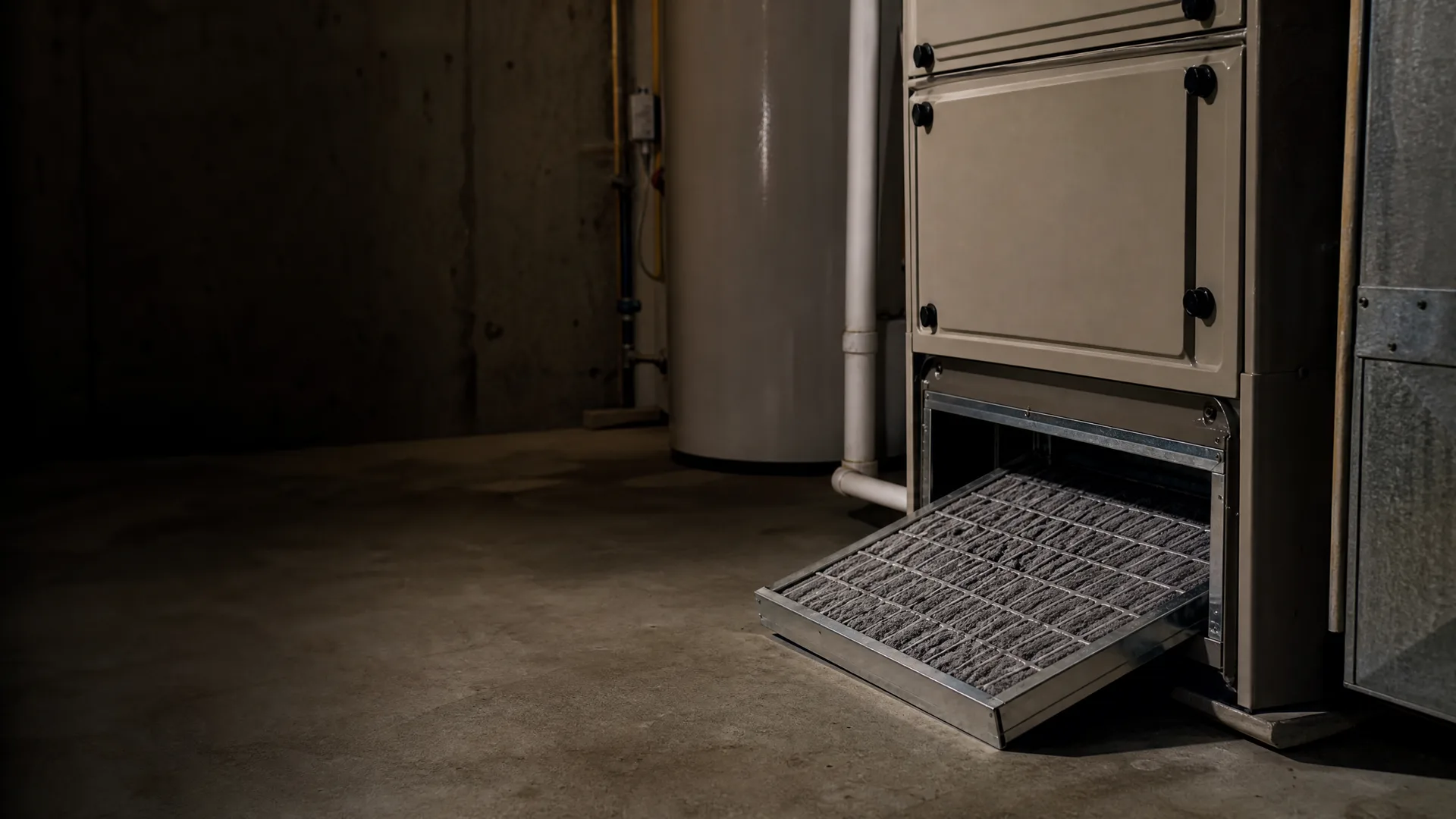
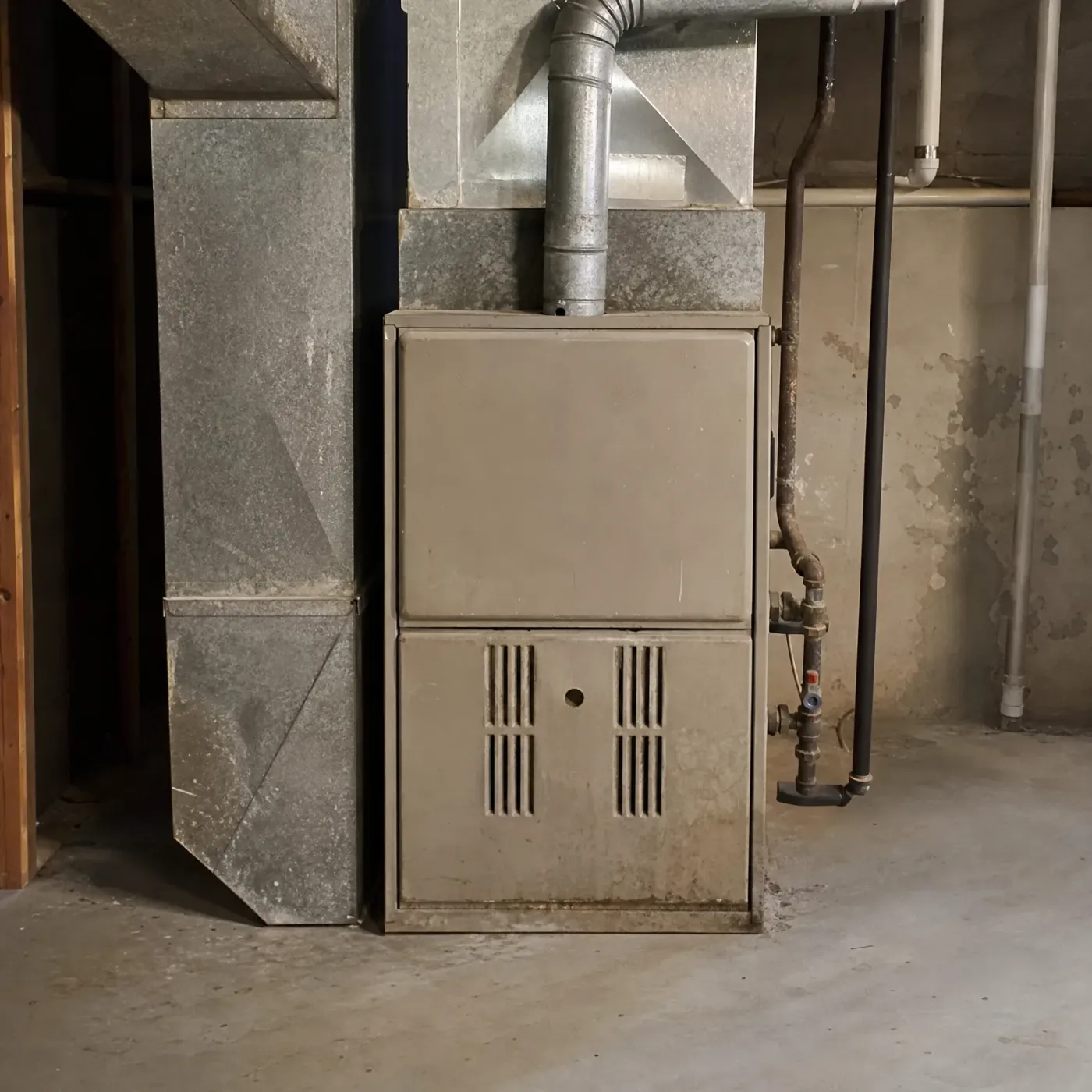
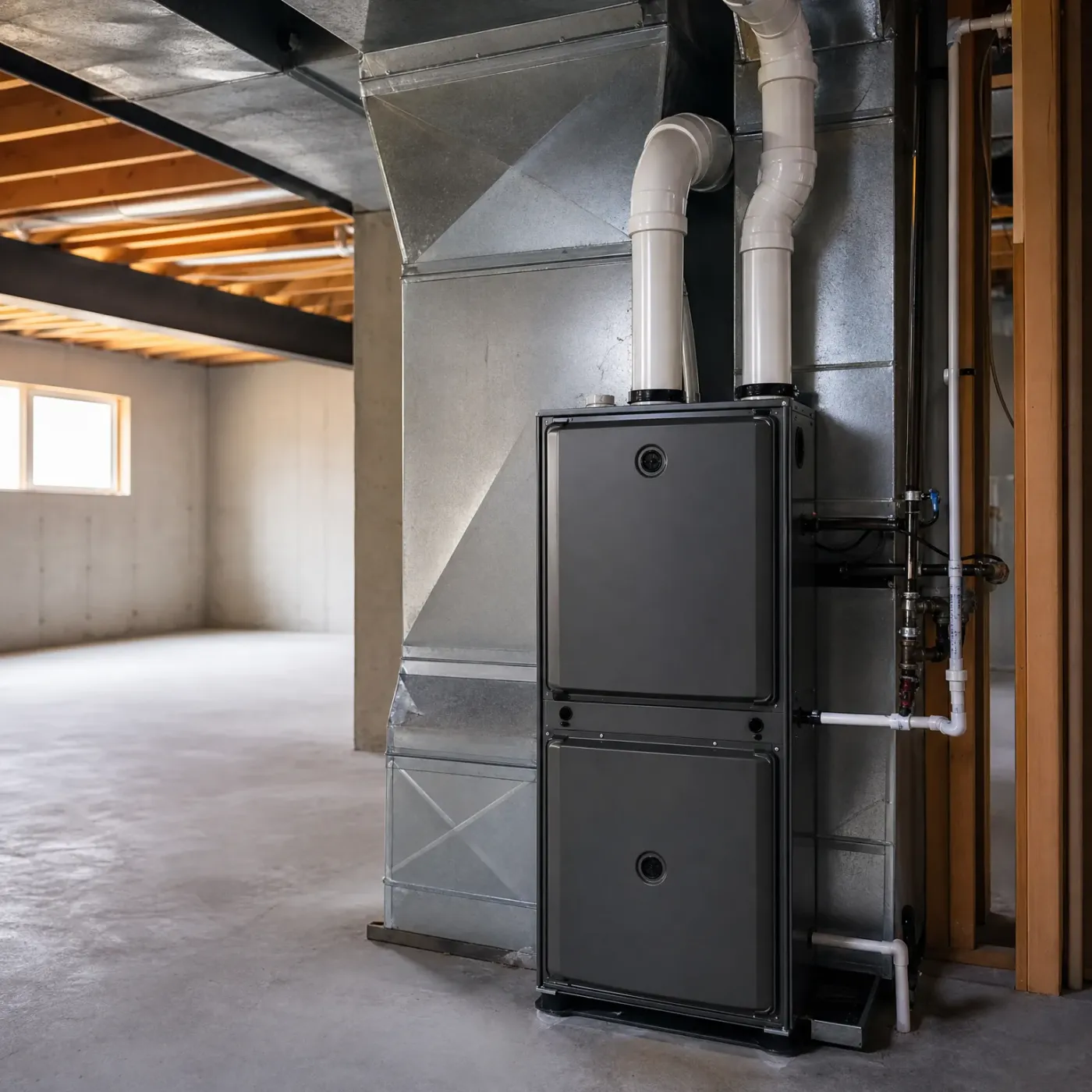
You're down in the basement on a Saturday afternoon, the light coming in gray through the small window near the ceiling. You pull the filter out to check it before the cold really sets in, and it slides halfway out dusty and gray, heavier than it should be. You hold it up to the window light and can barely see through it. The furnace has been running short bursts most of the morning, keeping the house at 68 like you set it, and you start to wonder how long that filter has been doing that behind a wall of dust. You set it on top of the cabinet to deal with later and stand there a second, looking at the furnace.
Hold Steady or Set Back
Set it and leave it
- A steady setting around 68 lets your furnace run shorter cycles instead of long stretches trying to catch up.
- Your gas bill stays more predictable because the furnace isn't working against a wide swing every few hours.
- The blower and burner see less strain over the winter, since they're not firing up from a cold start as often.
- If you're gone most of the day, the house doesn't lose so much heat that the furnace has to grind to recover it by evening.
Set back at night or when you're out
- Dropping the thermostat a few degrees overnight or while you're at work means the furnace runs less in total.
- The tradeoff is a harder pull when it kicks back on, since it has more ground to cover to get the house warm again.
- A furnace that's kept up with maintenance handles that pull without issue; one with a weak igniter or a dirty flame sensor may struggle to recover.
- Oklahoma's swings between warm afternoons and cold fronts mean a setback that works one week might leave the house colder than expected the next.
Thermostat calls for heat and signals the furnace control board.
Igniter heats up or the pilot lights the burners.
Gas valve opens and burners ignite inside the heat exchanger.
Blower motor pushes air across the heat exchanger and through your ducts.

Why does one room never feel as warm as the rest
Your thermostat might read 69 and the living room feels fine, but the back bedroom still feels cold enough for a sweater. That's usually a sign of uneven airflow rather than the wrong setting. You might notice a vent that barely pushes air compared to the others, or a door you keep closed because the room never catches up. Raising the thermostat higher won't fix a room that isn't getting its share of air. It just means your furnace runs longer to heat the rooms that are already warm, and the gas bill climbs while that back bedroom stays cold. A furnace that's been checked and adjusted each season is more likely to send even heat through the whole house.


Done looking for a furnace pro
A licensed local pro takes the request for your furnace tune-up.
Send the form and the furnace tune-up stops being something to remember.
You only hire the pro if you want to.
Winter nights average 30°F statewide
With nights averaging 30 degrees across the state through December, January and February, your furnace is cycling on for a real stretch most nights, not just a quick top-up. Holding a steady daytime setting matters more here than chasing the thermostat up and down.
NOAA nClimDiv 1991-2020 county normals weighted by homes
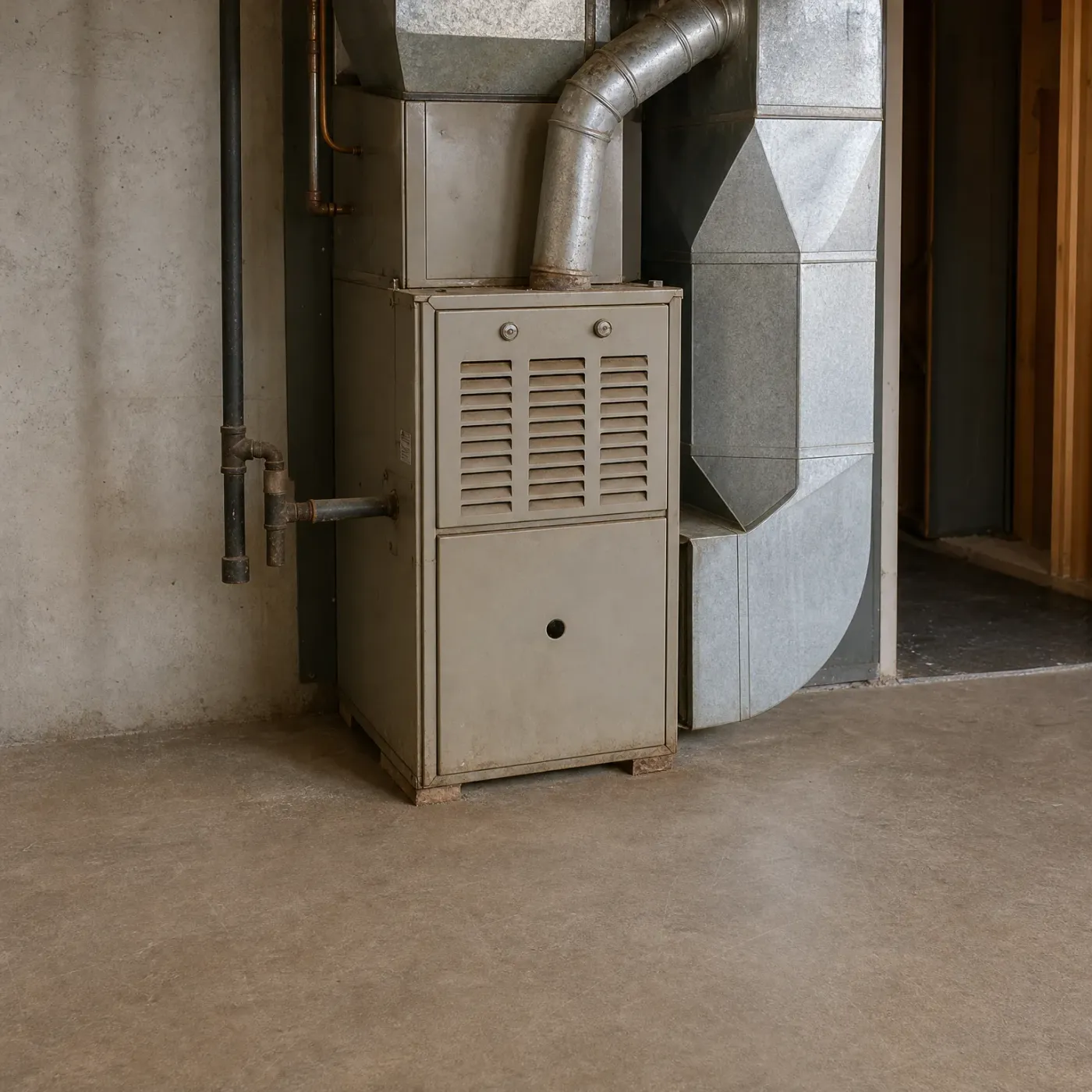
A furnace that's never had the igniter or flame sensor checked still lights every time, until the day it doesn't, usually on one of those 30-degree nights when you need it most.
Cleaning the flame sensor and checking the igniter each fall is what keeps that failure from happening on the night you're counting on the furnace to hold 68.
Where that leaves you
- 68 to 70 during the day and a few degrees lower at night works for most homes in Oklahoma all winter.
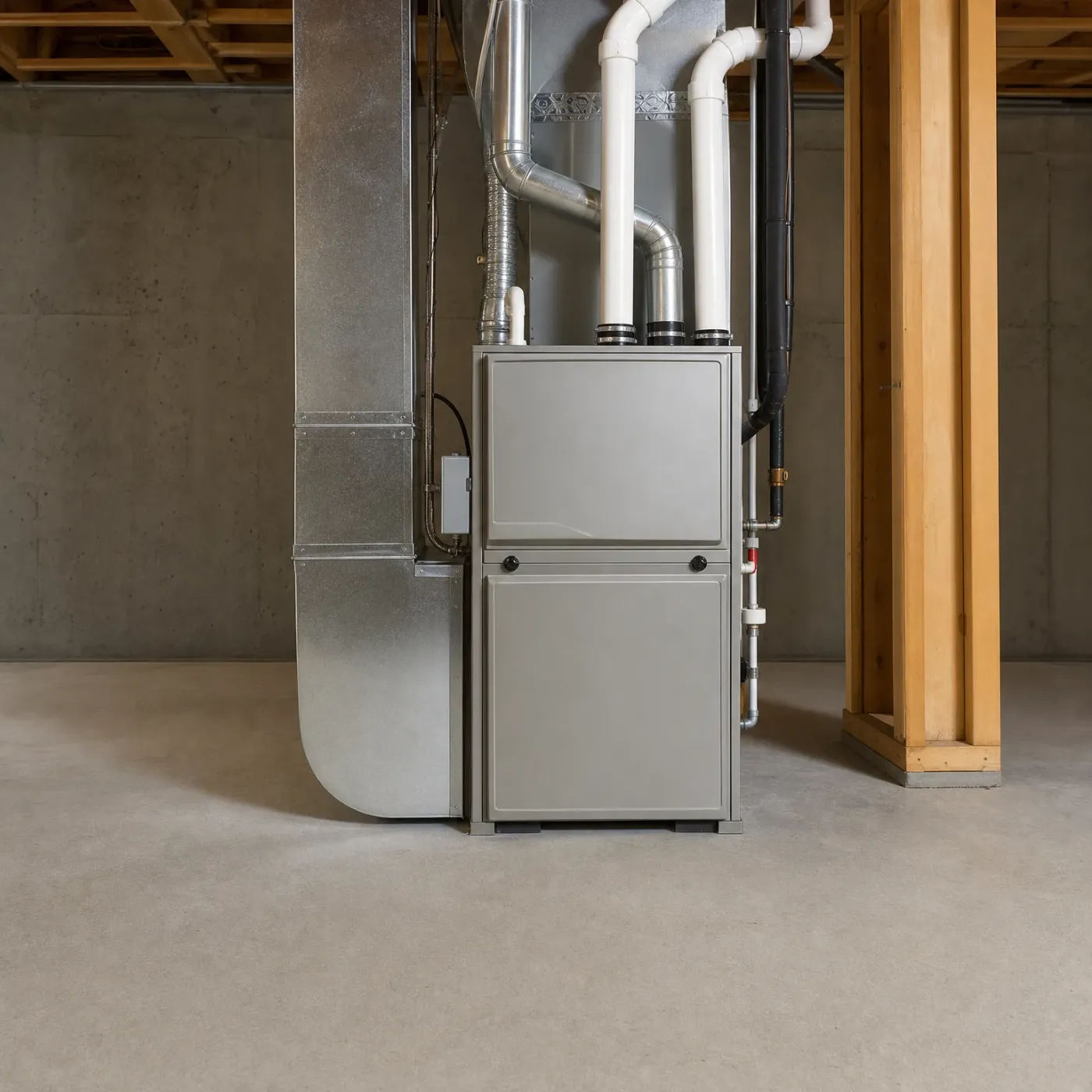
- A furnace that's kept up with yearly maintenance holds that setting without straining on the coldest nights.
- Uneven rooms usually point to airflow, not the thermostat number itself.
- A local contractor who services furnaces all winter knows which parts tend to fail first in weather like this.
- One contractor takes the call for your home, not several companies competing for it.
- The number on the thermostat matters less than whether the furnace behind it is ready for the season.
68 to 70 during the day, dialed back a few degrees once you're asleep, holds up in an Oklahoma winter whether December is mild or the nights are sitting in the 30s for weeks straight. The number matters less than the furnace running behind it. A unit that's had its igniter and flame sensor checked each fall holds that setting without strain. One that hasn't will fall behind no matter where you set the dial, and it tends to happen on the coldest night, not a mild one. If one room never catches up to the rest of the house, that's airflow, something to check at the vents and the ducts, not a reason to push the thermostat higher. When it's time to get the furnace looked at, you're better off with someone who works on these systems all winter in homes around you, not a name from somewhere else. That kind of contractor has seen which part usually gives out first in weather like this, and checks it before it does. Send the request once and it goes to one licensed contractor local to you, so you're not fielding calls from three different companies trying to win the job. You set the number. Someone who knows this equipment and this climate makes sure the furnace can hold it.

It's off your list after this
Your request stays with one local pro.
Asking costs nothing, and the choice to hire stays yours.