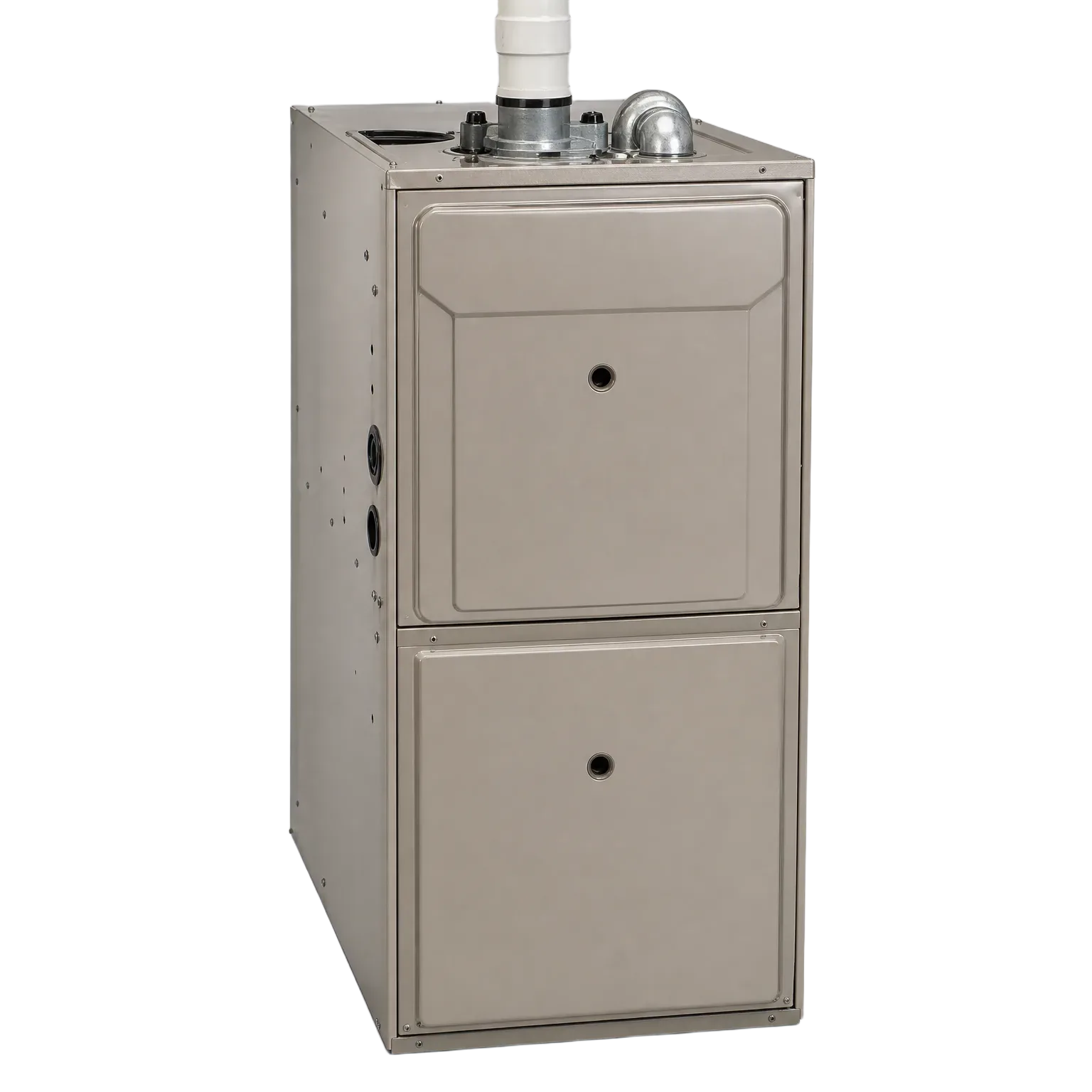
Skip this winter's cleaning
The sensor keeps collecting soot until the furnace starts short-cycling on a cold night. You're left calling around for someone who can get to it fast, maybe after hours.
 Find my pro
A local pro who services furnaces gets in touch about the tune-up.
A dirty flame sensor is one of the most common reasons a gas furnace stops firing in the middle of an Oklahoma winter. The furnace tries to light, runs for a few seconds, then shuts off. That's the sensor telling the control board it doesn't detect a flame, even when one is there, because a layer of soot on the rod is blocking the signal.
There's no fixed schedule for cleaning it. It depends on how much the furnace runs and how clean the air moving across that rod is. A furnace that's been in service a few years without much attention to the filter will foul the sensor faster than one that's been kept up. Since most homes here heat with gas, the furnace is working hard from the first cold snap through the end of winter, and a sensor that was fine last February can be coated enough to cause trouble again by this one.
Checking it is part of a normal maintenance visit, along with other things that wear or get dirty with regular use. Catching it before it fails means you're not the one standing in a cold house at seven in the morning trying to figure out why nothing's happening when you hit the thermostat.
Finding someone to look at it is its own chore. Searching for a contractor who works on furnaces, calling a few numbers, explaining the same thing about the flame sensor and the short cycling to each one, then waiting to see who calls back with a quote. That part is what this page shortcuts. Tell it what's going on with your furnace and where you live in Oklahoma, and a licensed contractor who handles this kind of work gets in touch with you directly. No sorting through quotes on your own, no repeating the story three times.
Once a furnace starts that short-cycle pattern, cleaning the flame sensor usually brings it back. But that leaves the next question: how often does this need to happen so it doesn't keep coming back? Most homeowners don't think about the sensor again until the furnace stalls out on a cold morning.
A yearly cleaning, done before the furnace is running every day, keeps the sensor ahead of the buildup that causes it to stop reading the flame. The sensor picks up a thin coat of oxidation every time the furnace fires, and over months of regular use that coat gets thick enough to block it. Gas furnaces here run from around November through February, sometimes longer, so that coating has a long stretch to build before spring. A furnace that short-cycles or won't stay lit partway through winter is usually overdue. Checking it once a year, rather than waiting for the furnace to tell you, means a service visit at a time you pick instead of a repair call on a cold morning.


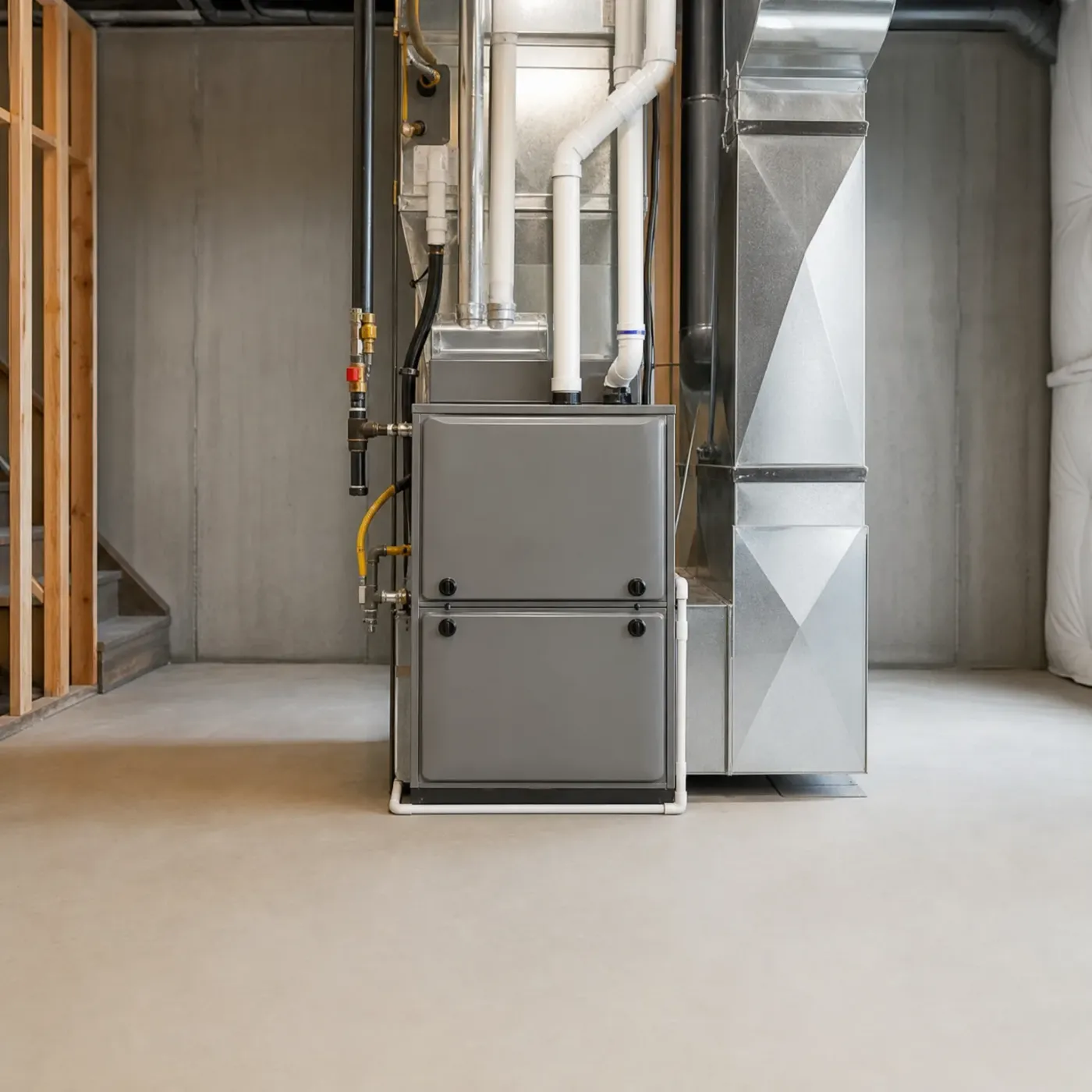
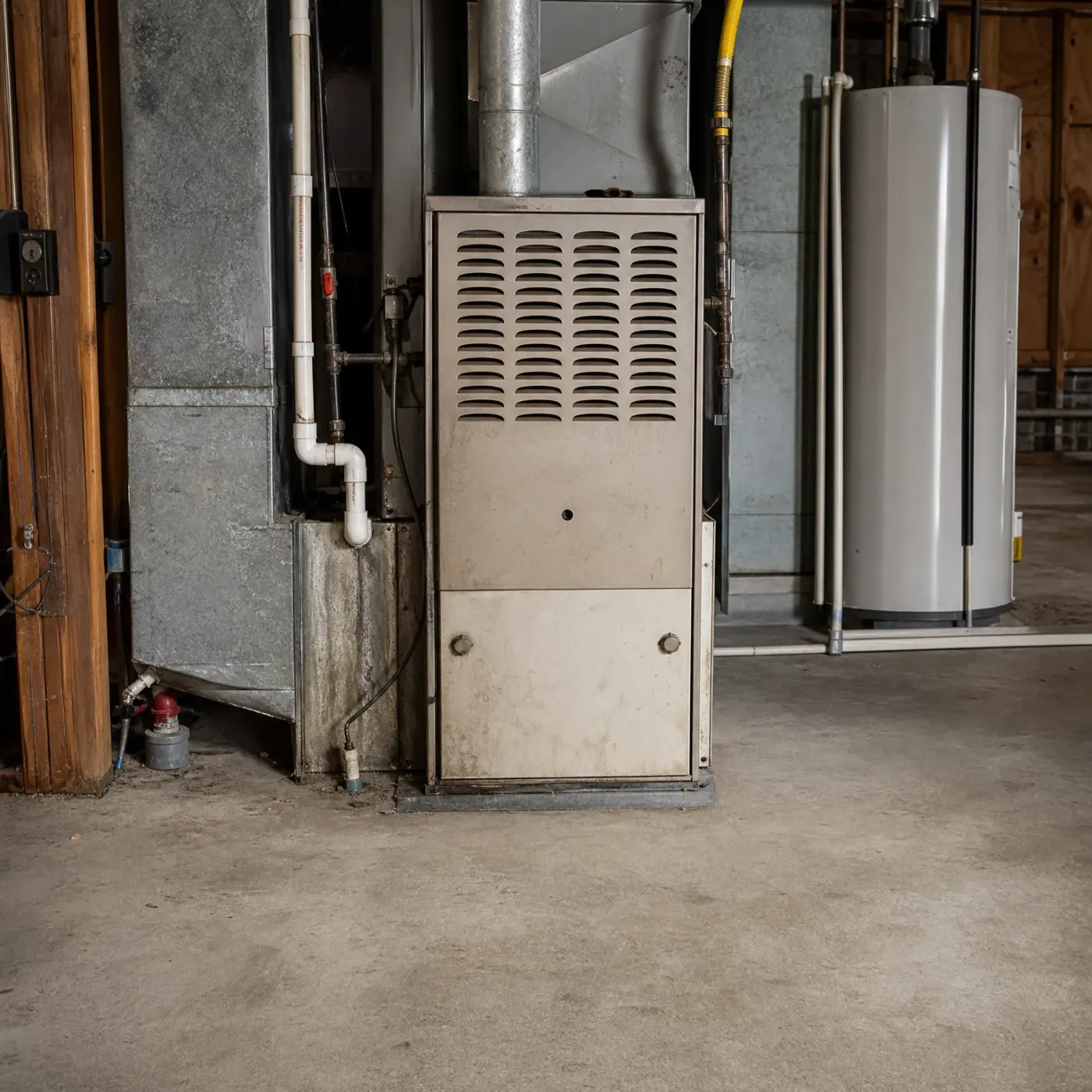


One form instead of hunting for a pro who does furnace tune-ups.
No fee to send it, and nothing to sign.
A flame sensor rod is thin, usually a few inches long, and sits right in the burner flame. It takes months of combustion exhaust to build up the coating that blocks it.
That's why once a year, around the time the furnace starts running for the winter, is enough for most homes. Scrubbing it clean takes a few minutes once the cover is off.
Nights here average 30°F in December, January and February, so your furnace is firing for hours at a stretch on the coldest nights, not just cycling on and off. That steady run time is exactly when soot builds fastest on the flame sensor, and exactly when you can't afford it quitting on you.
NOAA nClimDiv 1991-2020 county normals weighted by homes
A furnace that short-cycles on a cold night isn't heating your house. It fires, shuts off, fires again, and the air coming out of your vents never gets warm enough to matter. You'll notice the thermostat climbing slower than it should, or not climbing at all while the furnace clicks on and off every few minutes. Gas is cheap here, so the sensor itself isn't running up your bill, but a furnace that can't stay lit on a 30 degree night is a furnace that isn't doing the one job you need it to do. Left alone, that pattern doesn't fix itself. It gets worse as more coating builds on the rod.
You can wait until the furnace starts shutting off on you and deal with it then, or you can have the sensor checked before winter sets in so that call never happens. Finding someone to do that means searching for a contractor, calling around to see who's available, explaining the same short-cycling pattern more than once, and sorting through quotes before anyone shows up. Getting matched with a contractor who handles furnace maintenance skips all of that. You describe your furnace once, and the right person follows up with you directly. For a house you keep up on purpose, that's one less thing to track yourself before the cold nights start.
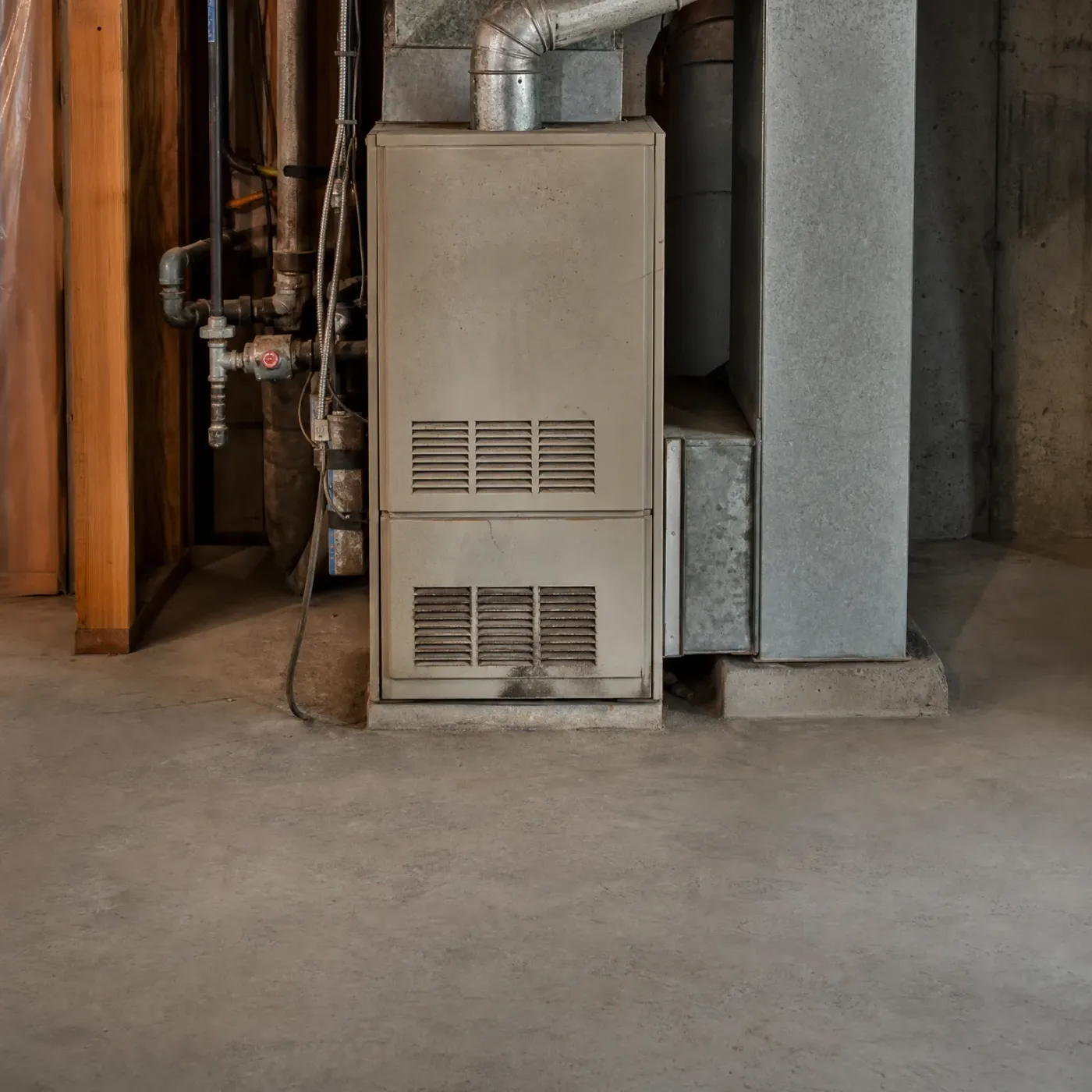
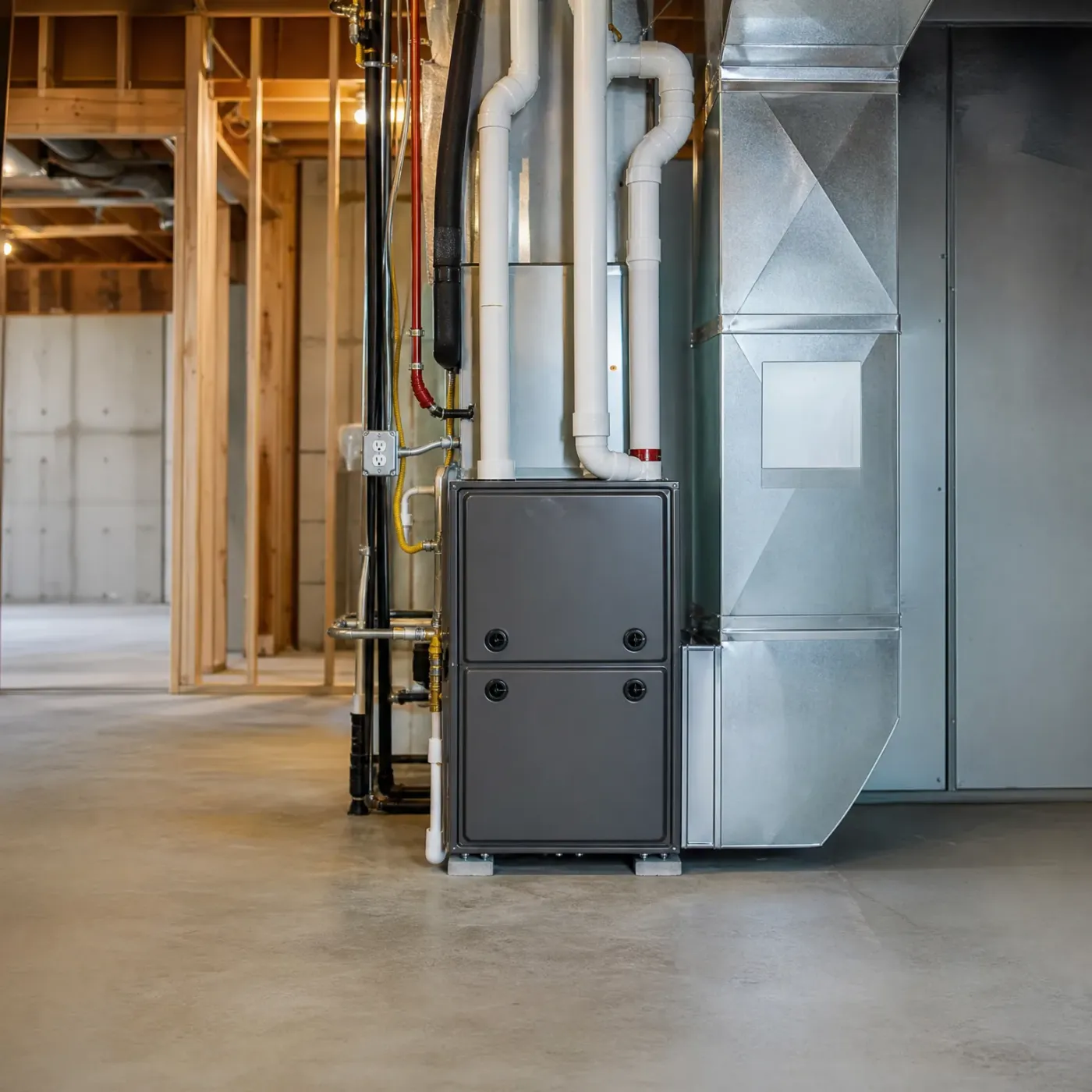
The sensor keeps collecting soot until the furnace starts short-cycling on a cold night. You're left calling around for someone who can get to it fast, maybe after hours.
A tech checks the sensor along with the rest of the furnace before the coldest nights hit. One visit, scheduled on your terms, instead of an emergency call when the heat quits.
A furnace flame sensor in Oklahoma needs cleaning about once a year, timed to when the furnace starts running for the winter, before the hard cold in December and January puts it to the test. Skip it and the soot builds until the furnace short-cycles on some cold night, firing and quitting over and over while the house doesn't warm up. Get it cleaned on schedule and the furnace runs through those nights without interruption. The part itself is simple. What takes the time is everything around it: finding a contractor who still has openings before winter, calling a few to compare, explaining the same short-cycling problem more than once, sorting through quotes that aren't quite comparable. That's the piece that goes away once you're matched with someone who handles this kind of call, who already knows what you're describing and what it takes to fix it. The sensor still has to be cleaned. You just don't have to spend your evening finding who'll do it.
Skip calling around to set up a furnace tune-up.