





Why one room stays cold in an Oklahoma winter

A local pro who knows furnaces gets your details and gets in touch.

Match me with a pro

That one cold room almost always sits at the end of a duct run, farthest from the furnace, where the air has lost pressure and heat by the time it arrives. In a lot of Oklahoma homes the furnace and ducts came with the house, and sizing or a duct layout that worked fine years ago can leave the last room shortchanged now, especially a bonus room or one over a garage with more outside wall than the rest. Sometimes it's simpler: a bent duct, a closed or blocked vent, or a return that can't pull enough air through that part of the house. A dirty filter or a failing blower can make an already weak room worse, since every room downstream of the restriction loses out first. The fix depends on which of these it is, and that takes someone looking at the actual ductwork and the room itself, not a guess.

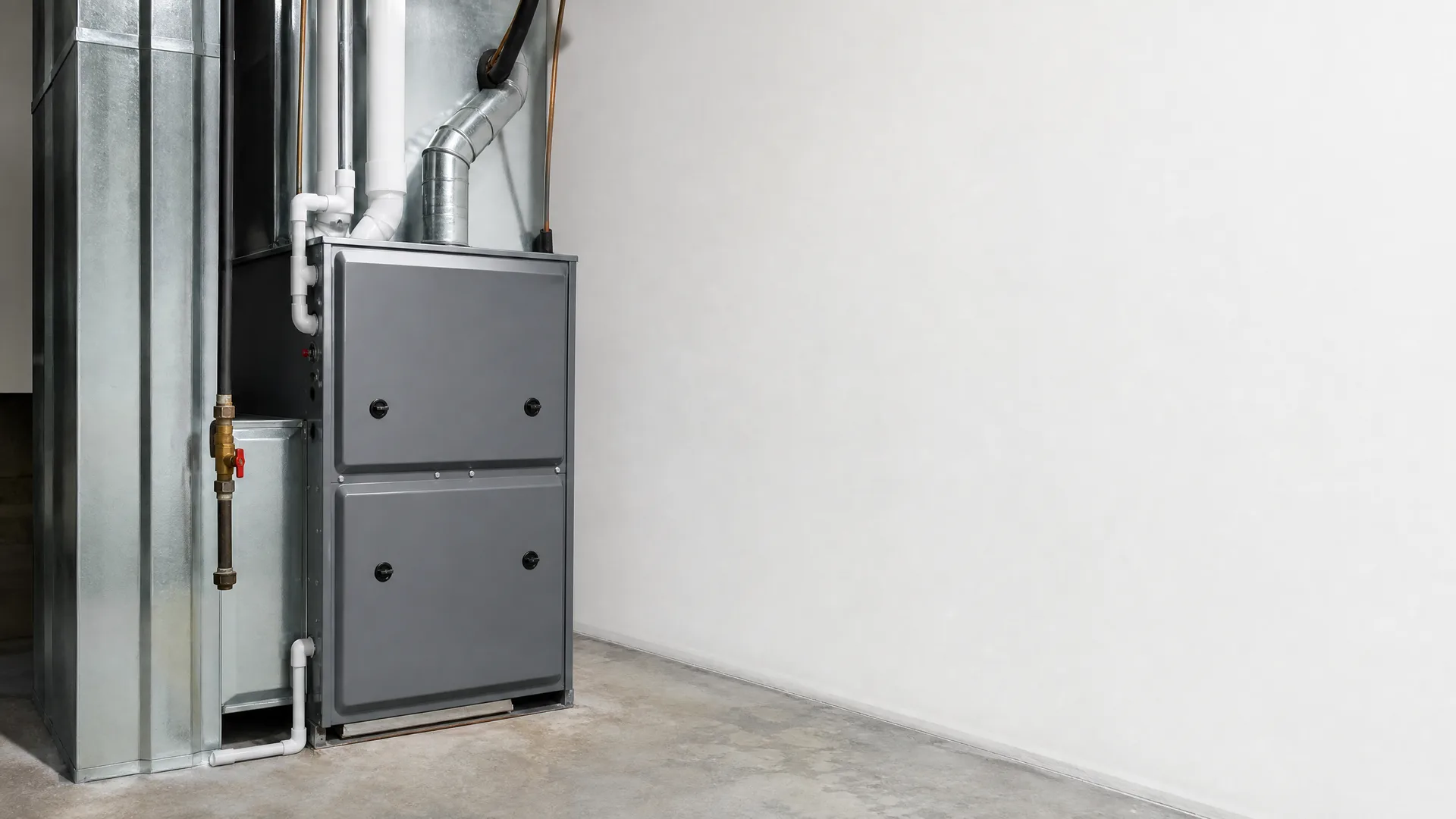
A gray residential furnace with two panel doors stands against a plain light wall in a concrete-floored room, connected to metal ductwork and white and copper pipes.

Why distance costs heat

Warm air loses pressure as it travels, and a room at the far end of a duct run gets less of it than one near the furnace. A bend in the duct, a crimped section, or extra length all work against that room. If a room was added on or the ductwork was reworked at some point, that run may be longer or narrower than the ones feeding the rest of the house, and it will fall behind every time the furnace cycles.

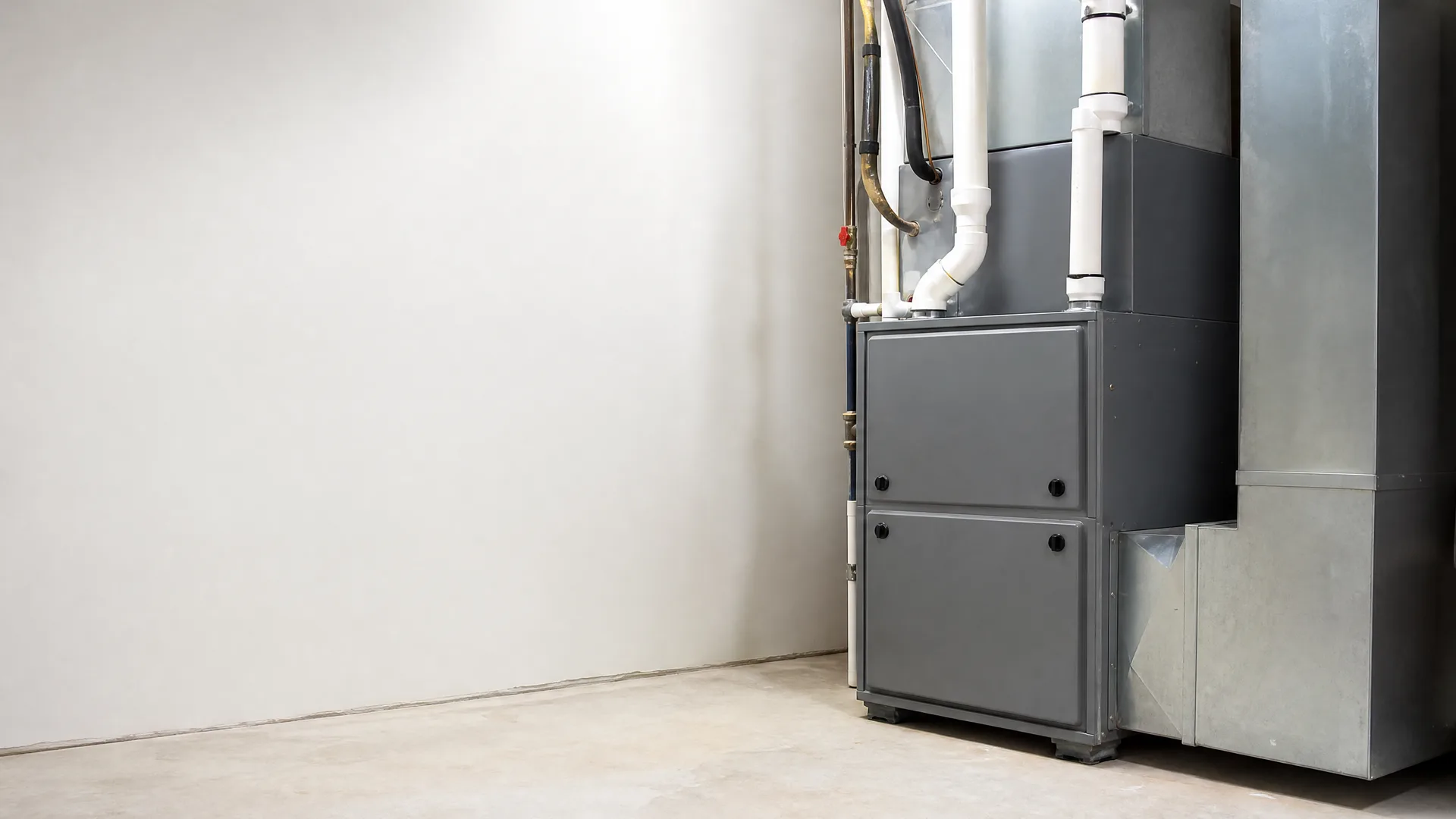
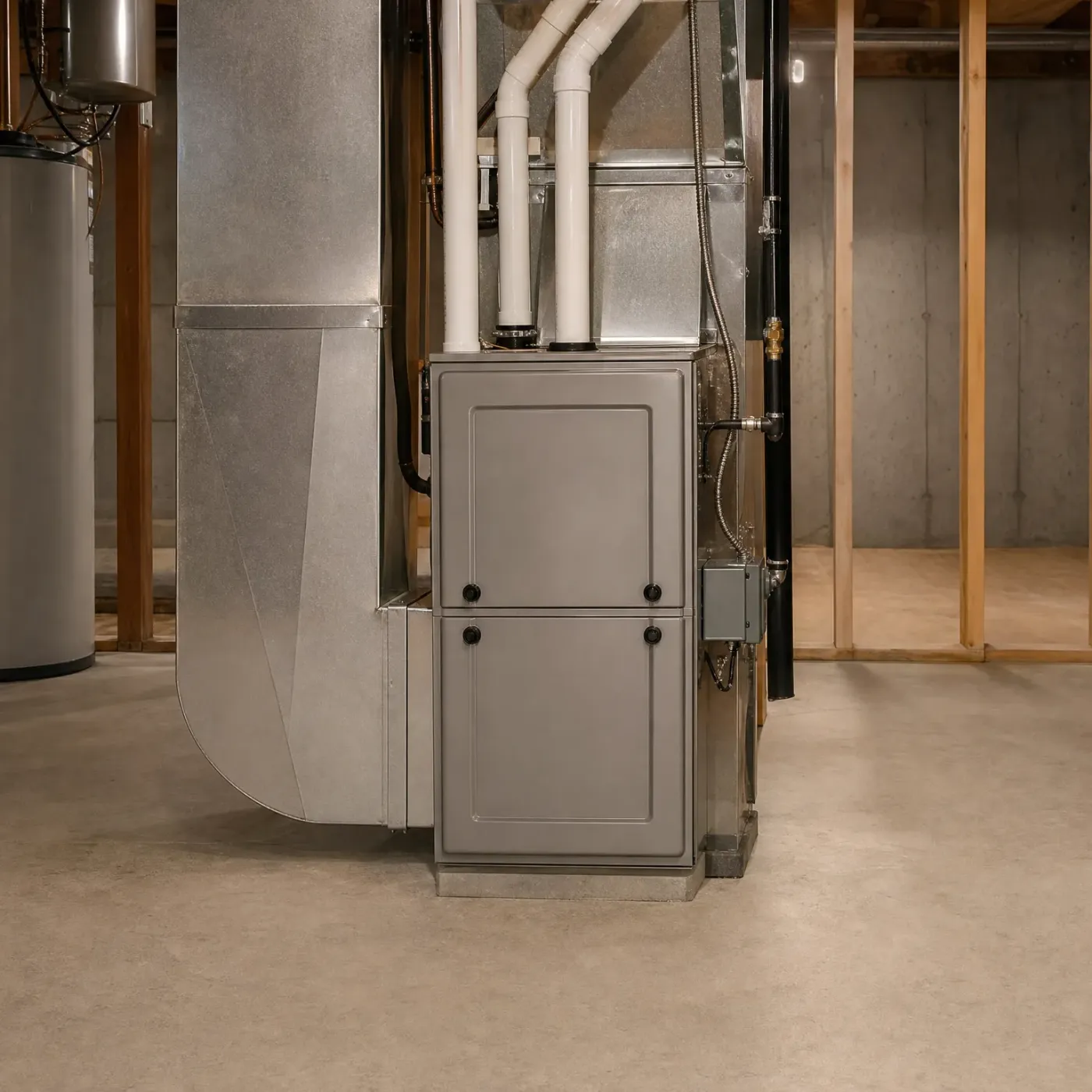
A gray high-efficiency furnace with white PVC venting pipes stands against a plain wall in a basement, connected to sheet-metal ductwork on a concrete floor.

What a closed vent does

Closing a vent to push air elsewhere usually backfires. A furnace and its ductwork are built to move a certain amount of air. Shut one vent and that air has to go somewhere, so pressure builds in the duct and can push warm air out through small gaps before it reaches any register. A contractor can check whether the duct run to that room is sized and sealed the way the rest of the system is.

Duct Problem or Furnace Problem

Duct problem

  • The room is cold but the vent still blows air, just weak and barely warm by the time it gets there.
  • Closing the vents in other rooms to push more air to the cold one does not fix the pressure loss along the way.
  • A duct that was crimped, kinked, or run too long for that room will show the same cold spot every winter, not just this one.
  • If the room was added on after the house was built, the duct feeding it may never have been sized for the space.
  • A contractor can check static pressure and airflow at the vent to see if the duct run itself is the reason heat is not arriving.

Furnace problem

  • More than one room runs cold, or the whole house feels like it is working harder than it used to.
  • The furnace cycles on and off more than it used to, or runs long stretches without the house ever feeling warm.
  • A gas furnace that is struggling to keep up can show up first as weak heat in the room farthest from it.
  • Higher gas bills alongside the cold room point toward the furnace itself rather than one duct run.
  • A contractor can check the furnace's output and burner performance to see if it is heating the way it was built to.
A smiling man in a dark navy sweater sits on a light sofa in a living room, with a glass bowl of popcorn on a wooden coffee table and bookshelves behind him.
A smiling man in a dark green sweater sits on a tan leather sofa in a dimly lit living room, with a bowl of popcorn in the foreground and a kitchen area blurred behind him.
A smiling middle-aged man in a dark shirt sits on a gray sofa in a living room, with a bowl of popcorn on a side table and shelves, a window and kitchen area behind him.
A smiling bearded man in a dark gray t-shirt sits on a gray couch in a living room, with a large glass bowl of popcorn on a wooden table in the foreground.

A pro who works on furnaces

Send the request and finding a pro stops being your problem.

There's no charge for the request.

What you will notice

You already close the door and keep a space heater running in there from November to February. The vent might still blow, but you can feel it is weaker than the one in the living room. If you have to check the thermostat because the rest of the house feels fine and that one room does not, that is the tell. Some homeowners just stop using the room all winter instead of dealing with it, which is its own kind of cost even if the utility bill does not show it.
What it costs you

A furnace working to heat a room it cannot reach runs longer than it should, and the rest of the house can end up warmer than you'd set it while that one room stays behind. Power is cheap here, so most of what you feel is the gas bill creeping up over the winter, not a huge jump but a steady one. The bigger risk is what gets ignored: a duct problem rarely fixes itself, and a bend or a leak found late usually means more duct to replace.

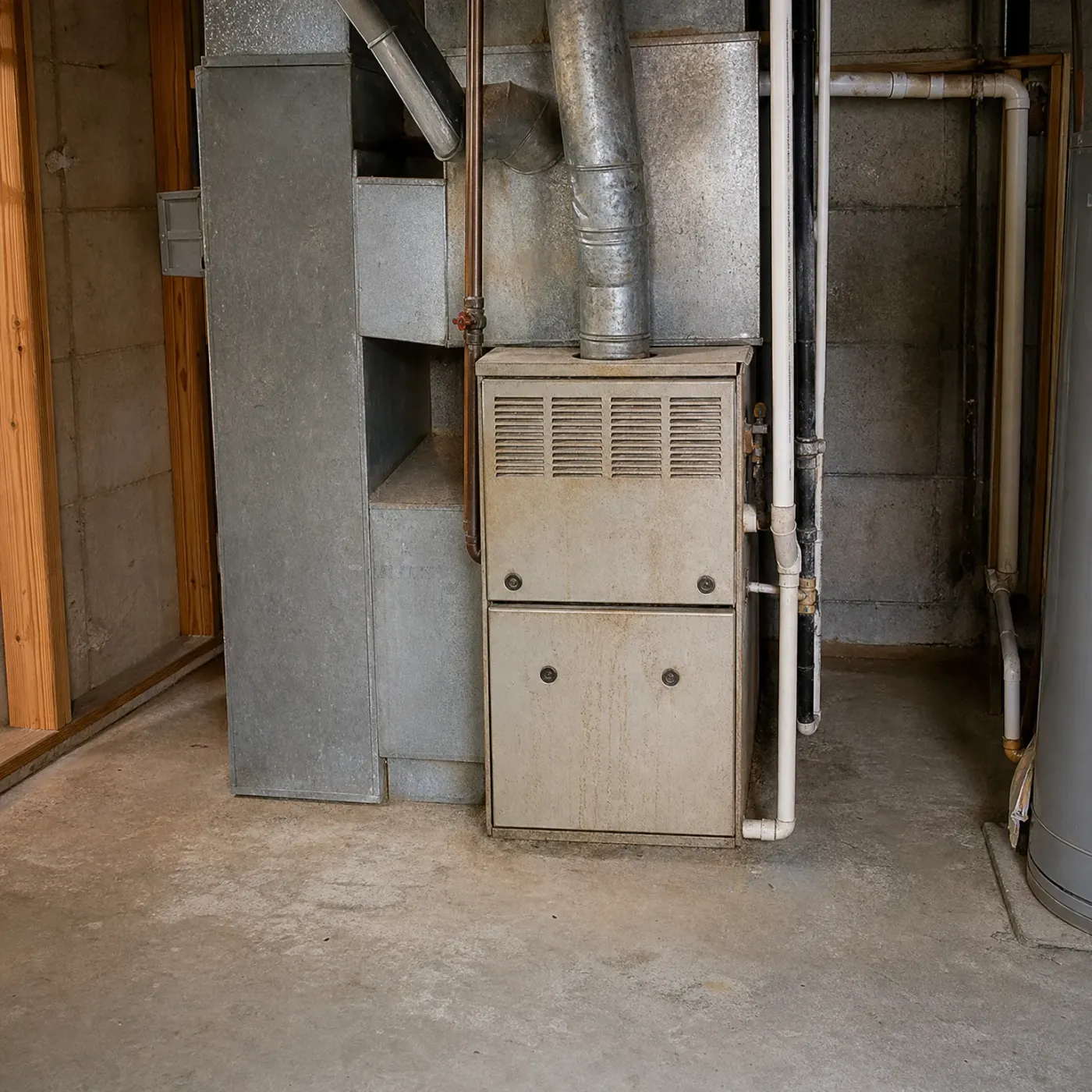
A beige gas furnace with a metal flue pipe stands in a basement against concrete block walls, beside sheet-metal ductwork, copper and white plastic pipes, and a water heater at right.
Before you get your furnace repair
A gray high-efficiency furnace with white PVC vent pipes stands beside sheet-metal ductwork and a water heater in an unfinished basement with concrete walls and wood framing.
After you get your furnace repair

You keep the thermostat at 70 and the living room gets there by noon. The back bedroom is still sitting at 62 when you go to bed, and the vent in there has been blowing the same weak stream all winter.

A contractor can check whether that run is actually undersized, blocked, or just too long for the air to hold its heat, and whether the fix is in the duct or in the furnace pushing it.

Winter nights average 30°F statewide

A 30°F night is the normal case here, not a cold snap. That's the air your furnace has to keep lifting into that back room every single night, all winter. On a run that's already losing heat and pressure, there's not much margin left by the time it gets to the end.

NOAA nClimDiv 1991-2020 county normals weighted by homes

The Cold Room, Explained

  • A cold room almost always comes down to duct length, duct damage, or a run that was never sized for that space.
  • Closing vents elsewhere does not fix a pressure problem in a duct that runs 30 or more feet from the furnace.
  • A contractor can find a crimped or leaking run with a pressure check rather than guesswork room by room.
  • Once you send the form, a contractor takes over the search and reaches out to you directly.
  • The gap between that bedroom and the living room will not close on its own as the nights stay near 30°F.
  • Fixing the duct run is what gets that room to hold 70 instead of sitting at 62 every night.

The room that stays cold all winter is telling you something about the duct that feeds it, not about your furnace as a whole. By the time air travels 30 feet or more from the furnace, through bends and joints and whatever condition that duct is in, it has lost pressure and heat along the way. That is why the vent still blows but never feels like the one in the living room, and why closing other vents doesn't help. You aren't adding pressure to that run, you're just rearranging what little the furnace has left to give. A contractor can check the run itself, pressure test it, find where it's crimped or leaking or simply too long for what it's asked to carry, and fix that instead of chasing the thermostat room by room. None of this closes on its own. With nights sitting near 30°F for months, that back bedroom will keep losing the same ground every night the duct stays as it is. The gap between 62 and 70 is a duct problem, and duct problems get fixed, not managed. Once you send the form, the search for who does that work is no longer yours to carry. A contractor who handles this kind of repair gets your information and reaches out to you. That's the whole job left on your end. What happens after that, the pressure check, the fix, the room finally holding 70 at night, is work for someone who can get into your attic or crawlspace and look at the actual run. You've done the part that was yours: noticing it, naming it, and deciding it's worth fixing.

At dusk, a dark board-and-batten house with a standing-seam metal roof and lit entry walkway of stone pavers, with two large outdoor heat pump units on a stone-walled pad at right and trees and hills in the background.

Furnace Repair

Get your furnace to the right pro

Step 1 of 3: Equipment
  • A dimly lit living room corner with a beige upholstered sofa holding a dark green cushion and a chunky knit throw, beside a wooden sideboard with a lit ceramic table lamp, a small potted plant, and a wooden bowl, with a framed artwork on the wall and a mug on a book in the foreground.
    • Say what's going on with your furnace, and a pro who works on them reaches out.
  • A round wooden coffee table holding a round stone vase of green foliage, a lit candle in a glass container, and a small dark bowl, with a beige sofa, cushions and knit throw behind and a window at left.
    • One request and the search for a pro is handled.
    • Send it once and finding someone is no longer on you.
  • Sunlit living room with a wooden coffee table holding a ceramic vase of leafy branches and a carved wooden tray with two stacked books, in front of a beige sofa with tan and green cushions and a potted plant near a window.
    • Fill out one short form instead of calling around.
    • Explain the job once and skip repeating it on every call.
  • Interior corner with a lit ceramic table lamp and wooden bowl on a wood sideboard, a framed picture and branch-filled vase behind, a knit throw over an upholstered chair, and a lit candle in a glass holder, stoneware mug and round planter of green foliage on a wooden table in the foreground.
    • The pro who reaches out is licensed in Oklahoma.
    • Only one pro gets your request, so you hear from one company.