Hand off the search today
Why your furnace keeps turning on and off in Oklahoma
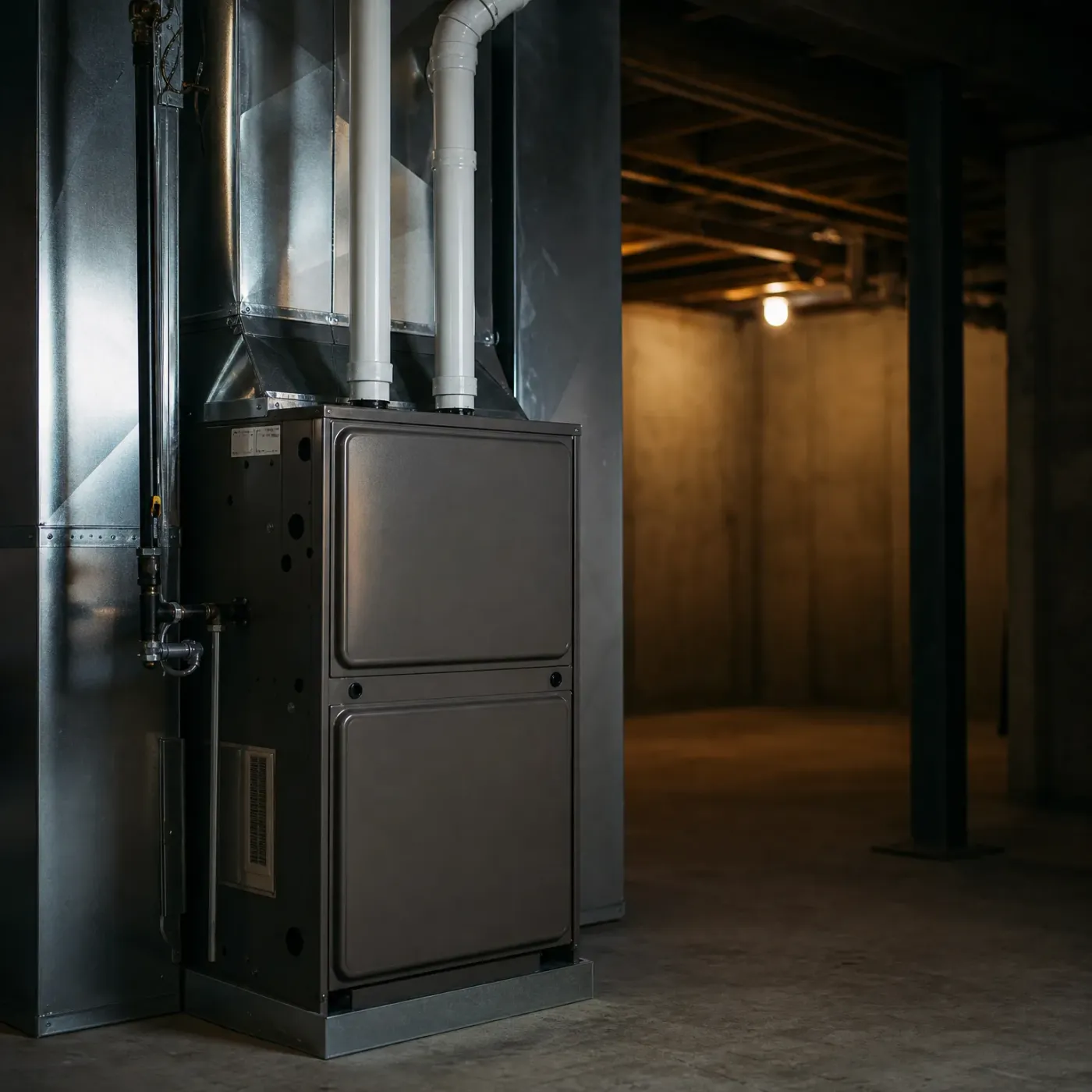
A furnace that cycles on and off every few minutes, instead of running a normal stretch, usually points to one of a handful of causes, from a dirty filter to a bad flame sensor to a furnace that's too big for the house. This page walks through what's behind it. Once you send the form, you're done hunting for a contractor who can take a look.
Hand off my repairA furnace that keeps shutting off and restarting, running for a few minutes at a time instead of a full cycle, is almost always overheating inside its own cabinet and shutting itself down to protect the heat exchanger. That's called short cycling, and the usual cause is something blocking airflow, most often a dirty filter, though a cracked heat exchanger, a bad flame sensor, or a furnace that was sized too large for the house will all cause the same pattern. With gas heat running hard through an Oklahoma winter, a clogged filter starves the burner of air faster than it would in a house that barely uses its furnace, so this shows up quicker here than somewhere with milder winters. It's worth paying attention to. A furnace that short cycles for weeks puts more wear on the igniter, the blower motor, and the heat exchanger than one that runs normally, and some of the causes behind it, a cracked heat exchanger especially, aren't something to leave alone.

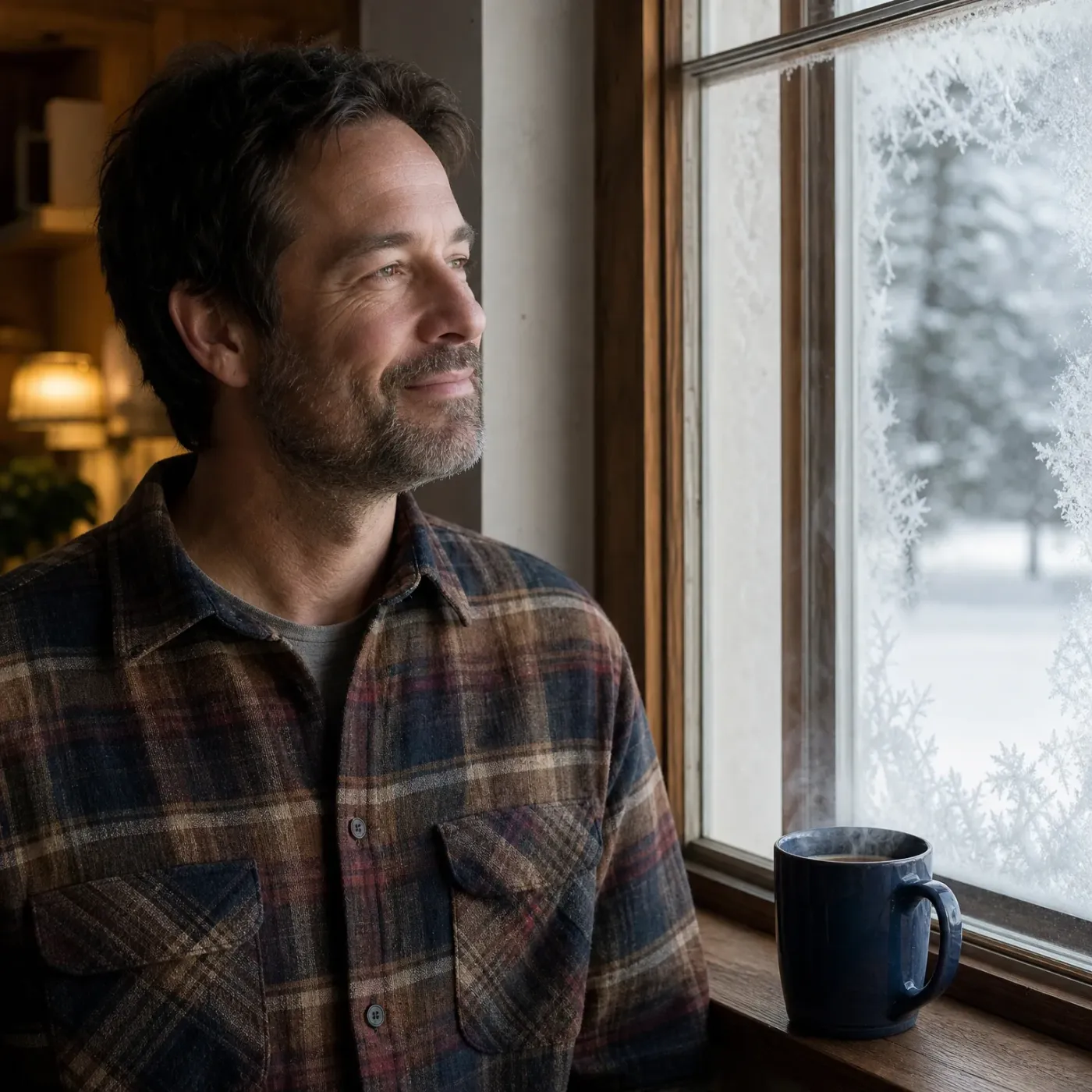
Most of these problems trace back to one of two systems: the flame safety circuit or the airflow path. The flame sensor is a thin rod that sits in the burner flame and proves to the control board that gas is actually igniting. Oxidation builds up on it over time, and once it can't read the flame anymore, the board shuts gas flow rather than risk it building up unburned. A dirty filter works against the furnace a different way, by starving the blower of air until the heat exchanger runs hotter than it should, which trips the high limit switch as a safety measure. An igniter that's starting to fail can still light the burners on the first try, then leave the furnace unable to relight on the next call for heat, so it keeps attempting the same cycle. Venting problems and an oversized unit cause the same symptom for different reasons, one by blocking exhaust and tripping a pressure switch, the other by heating the house faster than the thermostat was ever designed to track.
What's Actually Causing the Cycling
- A flame sensor coated with a thin layer of oxidation can't prove the burner is lit, so the control board cuts gas flow within seconds.
- A dirty filter chokes airflow across the heat exchanger, and the high limit switch trips to shut the burners off before the metal overheats.
- A cracked or failed igniter can light the burners once, then fail to relight them on the next call for heat, so the furnace tries again and again.
- An oversized furnace heats the house too fast, satisfies the thermostat in a few minutes, and shuts off before it ever settles into a full run.
- A blocked inducer motor or a vent pipe clogged with debris stops exhaust from venting properly, which trips a pressure switch and kills the cycle early.
- A thermostat mounted near a heat vent or in direct sun can read the room wrong and shut the furnace off before the house is actually warm.




Stop chasing a furnace pro
Explain the job once and skip repeating it on every call.
Once you send the form, finding a pro is off your list.
No fee to send it, and nothing to sign.
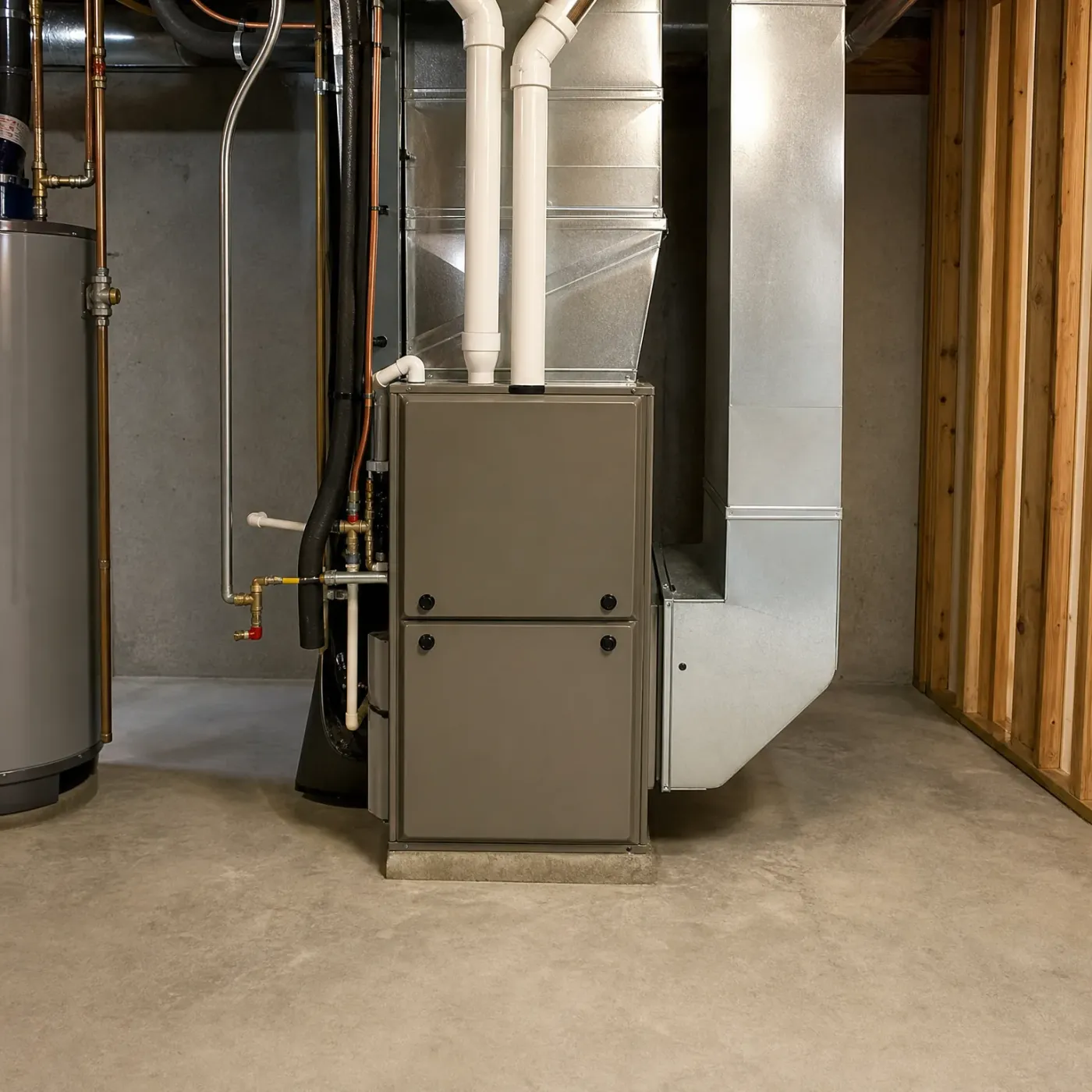
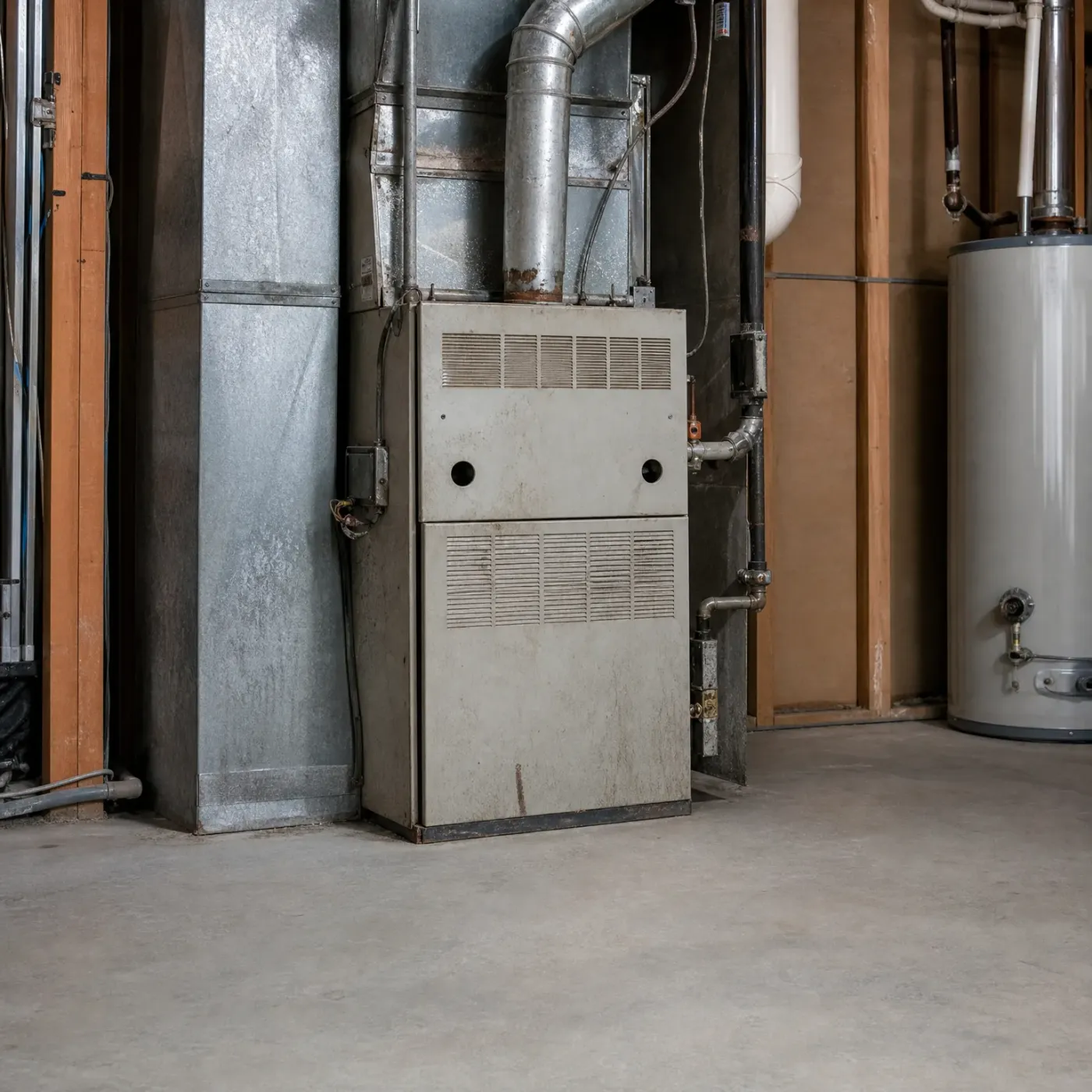

Thermostat calls for heat and opens the gas valve.
Igniter heats up, then the burners light.
Blower pushes air across the heat exchanger and into the ducts.
Flame sensor confirms the burner is still lit.
Winter nights average 30°F statewide
On a 30°F night, your furnace is running long stretches to keep up, not short bursts. If yours is cutting off every few minutes instead, the cold is just showing you a problem that was already there.
NOAA nClimDiv 1991-2020 county normals weighted by homes
The high limit switch is doing its job
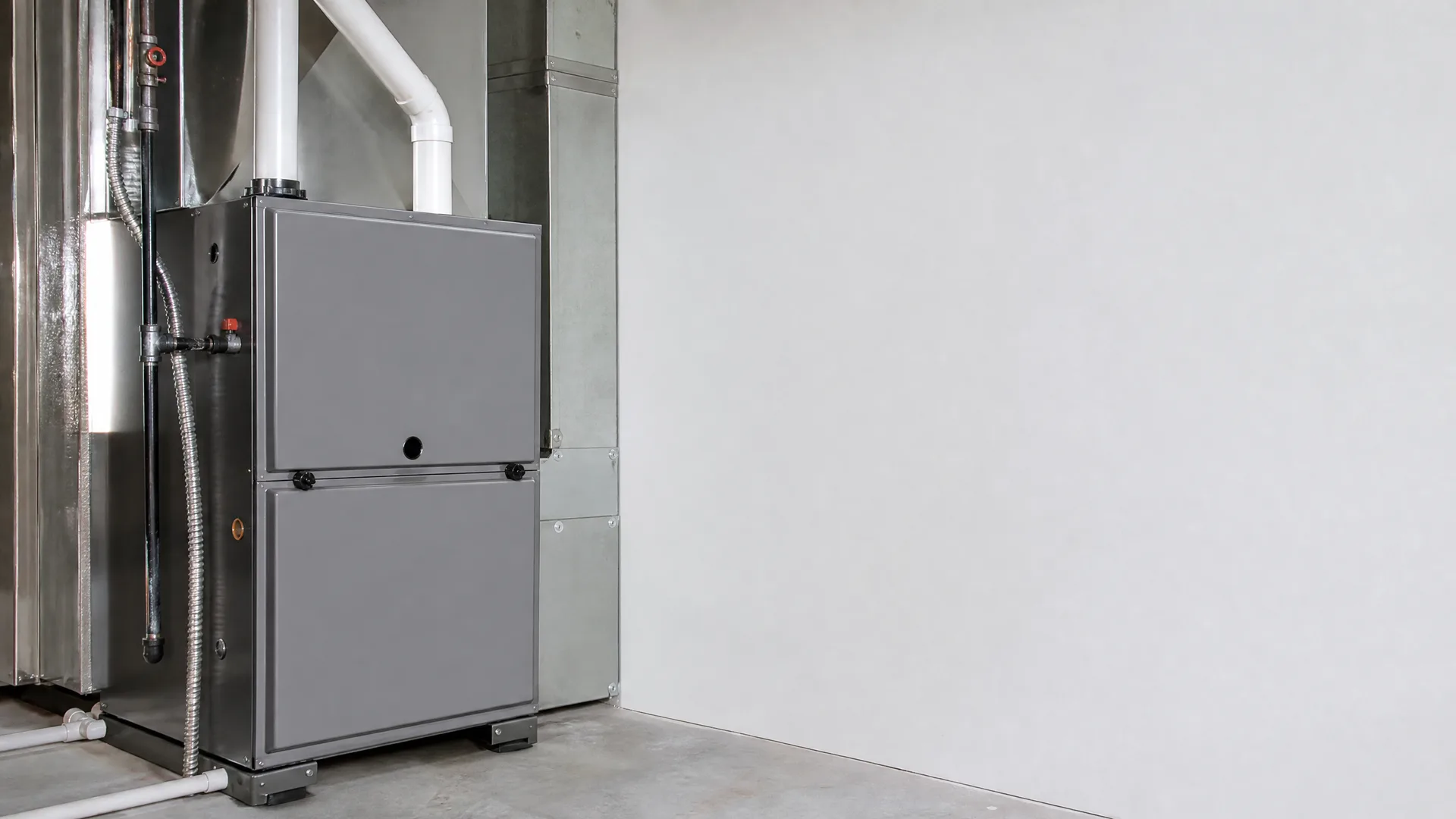
Every furnace has a high limit switch mounted near the heat exchanger. It reads the temperature inside the cabinet, and if that air gets too hot, it cuts power to the gas valve before the metal warps. That's not a failure. It's the switch working exactly as built. The problem is whatever caused the cabinet to overheat in the first place, usually something blocking the airflow that's supposed to carry that heat away into your ducts.
A furnace sized for the house runs longer, not shorter
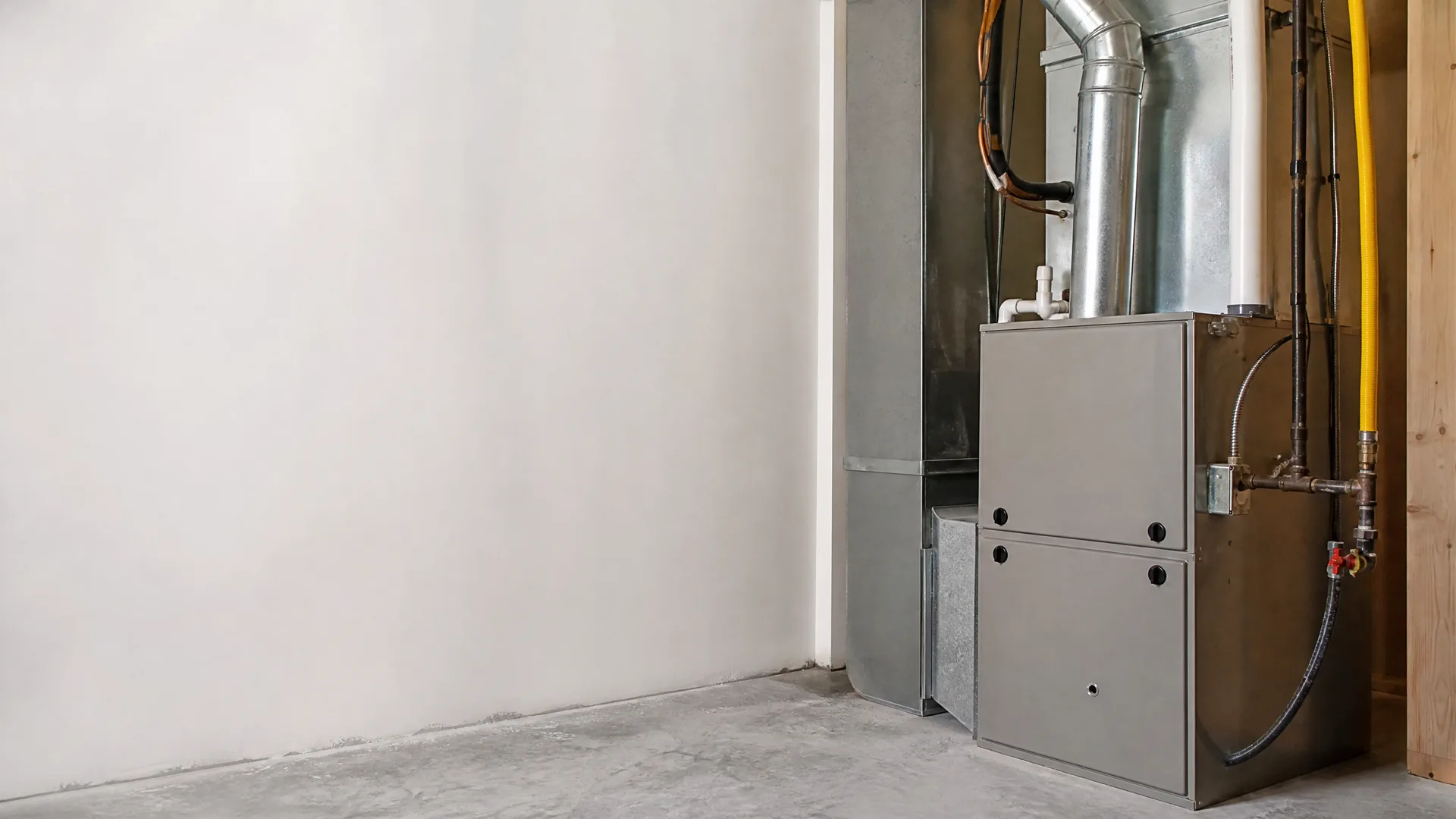
A furnace sized right for your square footage warms the air gradually and runs a long steady cycle to bring the house up to temperature. One that's oversized dumps heat fast, satisfies the thermostat in a few minutes, shuts off, and the house cools enough to call for heat again almost right away. If yours has always cycled short, even on mild days, size may be part of what you're dealing with, not just a dirty part.

Short cycling means something inside is overheating
A furnace that keeps shutting off and starting back up isn't broken in some mysterious way. Something in the airflow, the flame sensor, or the sizing is making the cabinet run hotter than it should, and the high limit switch is doing exactly what it's built to do. Find that one thing and the short cycling stops.
You don't have to figure out which one it is. That's the part that usually sends people down a hole of calling a few contractors, explaining the same problem three or four times, and trying to sort through quotes that don't say the same thing. Send the form once and that search is done. A licensed contractor in your area takes it from there, looks at your furnace, and tells you straight what's causing it.

Furnace Repair
Hand off the furnace problem

- Describe your furnace job, and a local pro who handles it gets in touch.
- Say what's going on with your furnace, and a pro who works on them reaches out.

- Send the request today and stop worrying about who to call.
- Send the request and finding a pro stops being your problem.

- One form replaces the calls you'd make to find a furnace pro.
- Describe what your furnace is doing once, in one form.
- Your request goes to one pro, not a list of companies.
- The pro who reaches out is licensed in Oklahoma.