Why your furnace won't shut off in Oklahoma

Step 1 of 3: Equipment

A furnace that keeps running usually means the thermostat is telling it to, even after the house is warm. A dirty filter or a limit switch stuck open can cause the same thing, since the furnace senses it hasn't reached temperature and keeps firing. Sometimes the blower itself won't shut off even though the burners have stopped, which points to a bad fan relay or a control board that isn't telling it to stop. In Oklahoma, gas furnaces run hard through the colder months, and a furnace that won't cycle off can run up your gas bill fast even though power here is cheap. It can also mean parts are wearing out faster than they should, since the system never gets a rest. If yours won't shut off, don't just flip the breaker and hope. The cause is mechanical or electrical, and it needs someone to look at the actual parts involved.

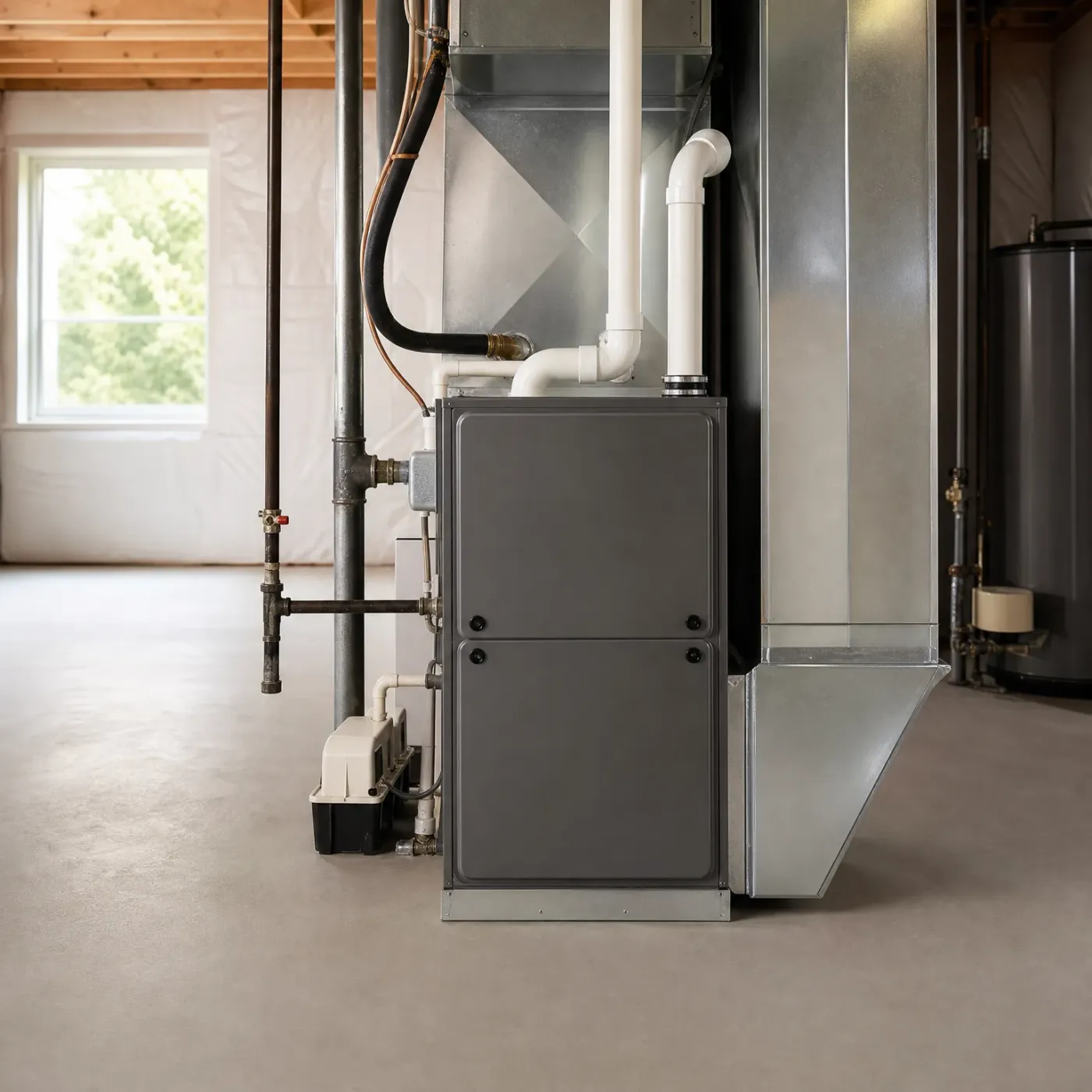
A gray high-efficiency furnace in a basement with sheet-metal ductwork, white PVC vent pipes, metal plumbing lines, a condensate pump on the floor, and a window showing green trees outside.

When it's working right

The furnace fires, the house climbs to the set temperature, and the burners shut off. The blower may run a little longer to pull the last heat out of the exchanger, then it stops too. No short cycling, no constant running, no smell of hot dust.
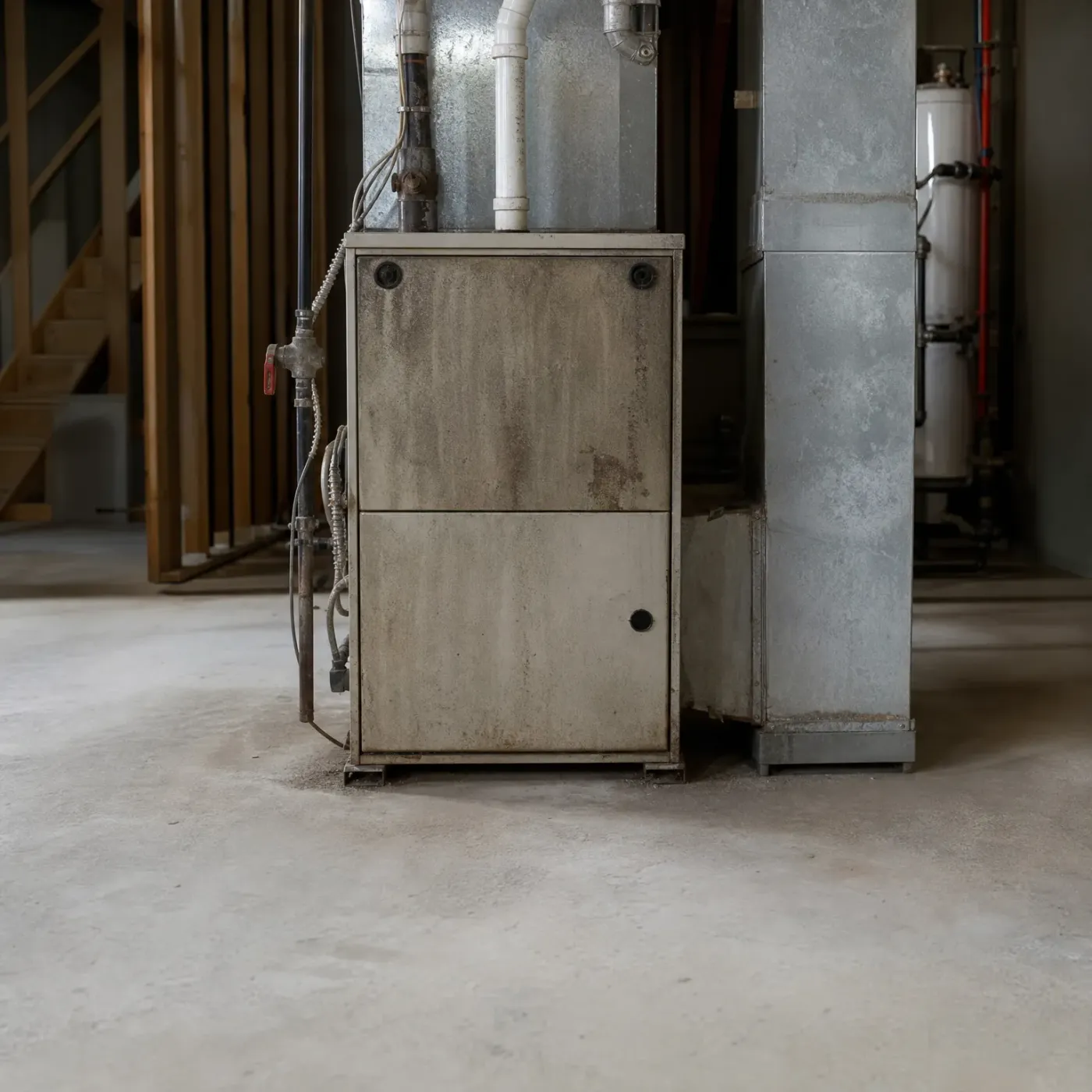
An older metal furnace with PVC and metal pipes stands on a concrete basement floor beside galvanized ductwork, with wooden stairs and a water tank in the background.

When it won't shut off

The burners stay lit well past when the house feels warm. You hear it running through the night, and the air coming out of the vents feels only lukewarm. Left alone, this runs up the heat exchanger and wears out the blower motor faster than it should.

Why does my furnace just keep running and never shut off?

You've checked the thermostat, bumped it down a few degrees, and the furnace is still running like it never got the message. In an Oklahoma winter that means warmer rooms than you wanted and a blower that doesn't quit. Before anyone comes out to look at it, it helps to know what's actually happening inside the furnace when it won't cycle off on its own.

The limit switch or the thermostat connection is telling it to keep going

A furnace shuts off when the control board gets a signal that the house has reached the set temperature, or when the high limit switch tells it the heat exchanger is hot enough. If that signal never arrives, the burners keep firing. A thermostat with a loose wire or a bad sensor can hold the call for heat open even after the air in the house is warm enough. A limit switch that's failed open reads the exchanger as never hot enough and won't let the board shut the gas valve. Either way the furnace isn't choosing to run long. It's reacting to bad information, and in Oklahoma, where gas furnaces run for months straight, that bad signal shows up fast on the gas bill.

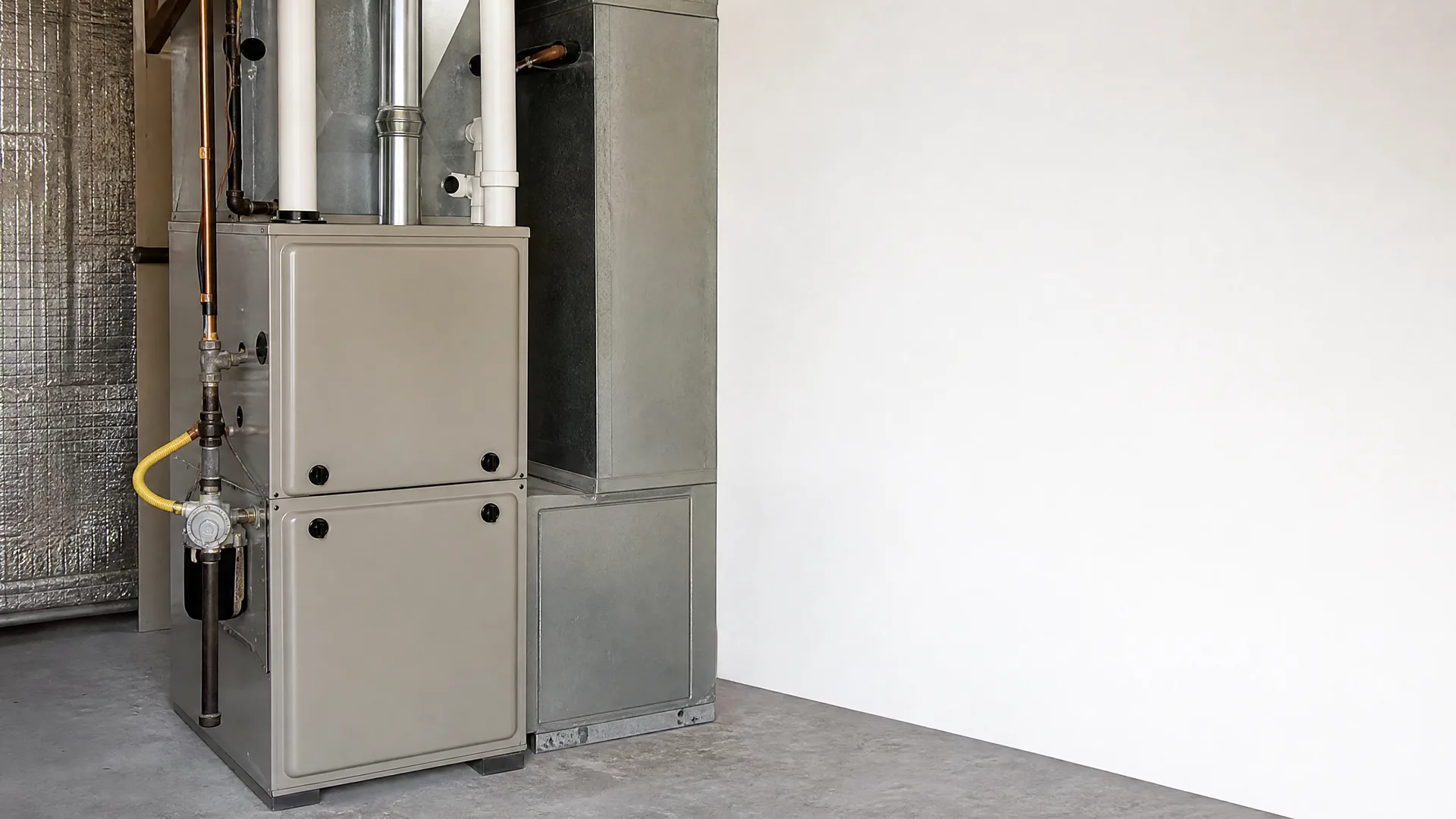
A beige residential gas furnace with white PVC vent pipes, copper and yellow gas lines, and adjacent sheet-metal ductwork stands on a concrete floor beside a plain white wall.

The limit switch and the blower

The limit switch sits near the heat exchanger and watches the temperature inside the furnace cabinet. If the air isn't moving through fast enough, the air around the exchanger gets hotter than the switch allows, and it tells the furnace to stop the burners. A furnace with a failing switch, a dirty filter, or a weak blower motor can get stuck believing it's overheating, or never reaching the temperature where it's supposed to shut the burners off at all.

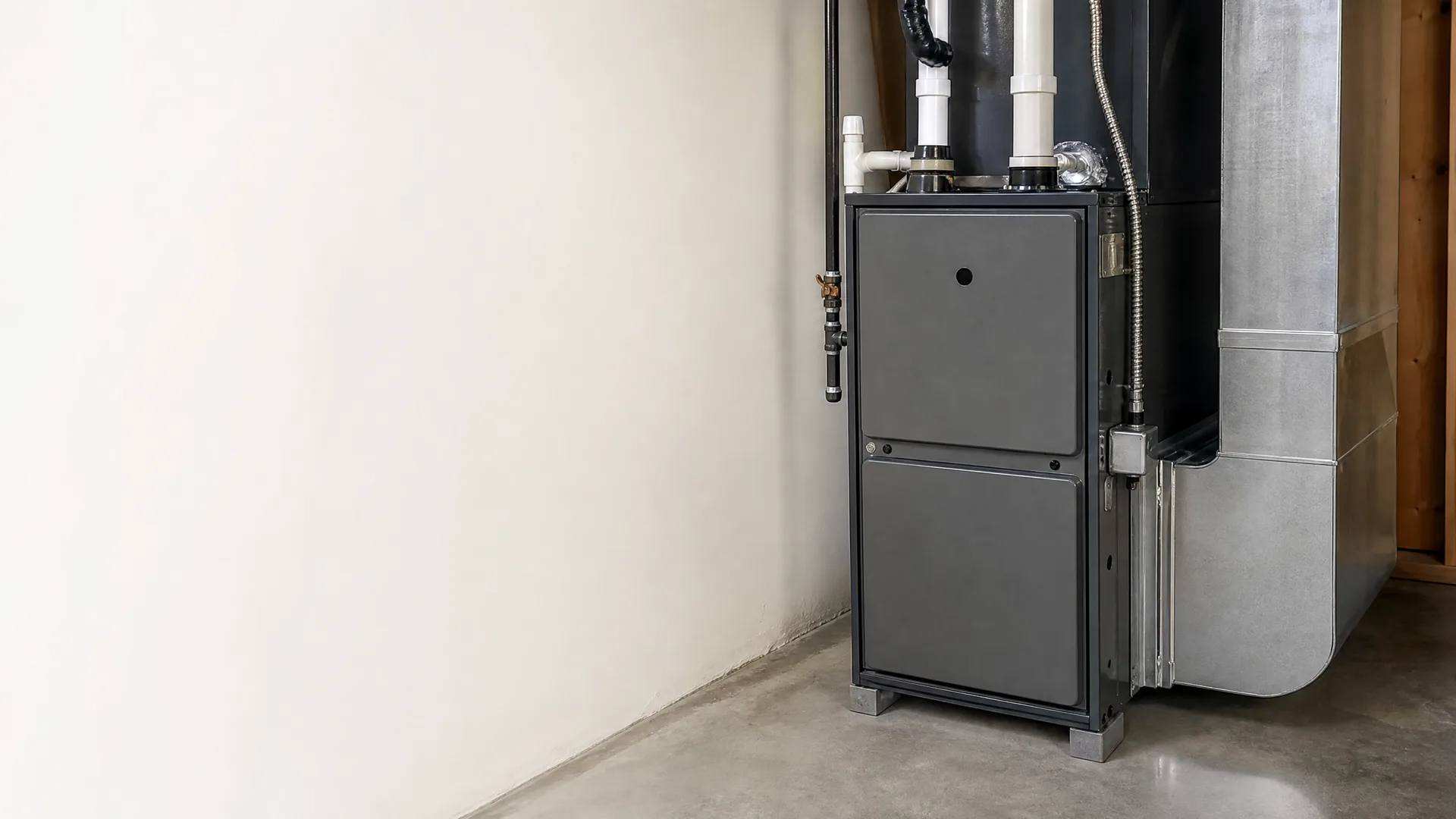
A gray high-efficiency furnace with white PVC vent pipes and metal ductwork stands on a concrete floor beside a plain off-white wall in a basement.

What the thermostat is actually doing

The thermostat reads the air near where it's mounted, not the whole house. If it's on a wall near a return vent, a drafty window, or a room that runs colder than the rest of the house, it can keep calling for heat long after other rooms are warm enough. A thermostat wired wrong, or one with worn contacts inside, can also hold the circuit closed and keep sending the furnace a signal to run.

Is this costing you more than you'd like

You've probably noticed the gas bill is higher than it should be for how warm the house actually got. The furnace runs through the night, the vents never stop pushing air, and some rooms still end up too warm while others stay cool. You might hear the burners cycling on again almost right after they shut off, or notice the cabinet feels hot to the touch. A furnace that won't shut off is burning gas it doesn't need to, and if the cause is a stuck limit switch or blocked airflow, the heat exchanger is taking more heat than it was built to handle every hour it keeps running that way.

A woman with long wavy brown hair in a grey ribbed sweater sits on a couch indoors, looking toward a window, with a potted palm-like plant and fireplace behind her.
A woman with long brown hair wearing a green V-neck top and beige cardigan sits on a light sofa, looking off to the side, with a dining table, lamp and framed picture in the background.
A woman with long dark hair in a cream knit sweater sits on a beige sofa indoors, looking toward a bright window with a houseplant and framed picture in the background.
A woman with long dark hair in a green knit sweater sits on a couch indoors, smiling and looking toward a window with a blurred room behind her.

The right pro for this job

Describe what your furnace is doing once, in one form.

No charge to send it. You decide if you hire them.

Live with it or fix it

You can keep nudging the thermostat down and opening a window in the room that runs hot. Gas here is cheap enough that a furnace running long hours doesn't wreck the budget the way it might elsewhere, and plenty of Oklahoma homes get through a whole winter this way without anyone looking at the furnace twice. If the only problem is a few rooms too warm and a thermostat you have to fight with, that's a habit you can live with for a while longer, especially if the furnace is older and you'd rather not spend on it until it actually quits.

What waiting risks

The reason it keeps running is still there even when you stop noticing it. A stuck limit switch or a dirty filter that's forcing long run times doesn't get better on its own, and a blower working harder than it should wears faster than one that cycles normally. If it's a cracked heat exchanger keeping the furnace from reading temperature right, that's not a comfort problem, it's a safety one, and it only gets found by someone checking it. Calling around to find someone licensed, explaining the symptoms twice, and sorting through quotes is the part that's easy to put off. Getting matched with a contractor who already knows what to check skips that part.

An older woman with gray hair in a bun and glasses, wearing a beige knit sweater, smiles while looking to the side in a warmly lit kitchen, with a loaf of bread on the counter in the foreground and a snowy scene outside the window.
A woman and a child wrapped together in a knitted gray blanket on a couch, with the child's head resting on her shoulder and a lit table lamp and houseplant in the background.

Call around yourself

You explain the problem to each contractor, wait on callbacks, and compare quotes on your own before anyone looks at the furnace.

Get my match

Get matched instead

You answer a few questions once, and a contractor who handles this reaches out to you directly. No more calling around.

Get my match

Winter nights average 30°F statewide

With nights near 30°F all winter, your furnace is working for hours at a stretch just to keep the house where you set it. That long runtime is normal. A furnace that never shuts off on top of it is burning gas with nothing to show for it.

NOAA nClimDiv 1991-2020 county normals weighted by homes

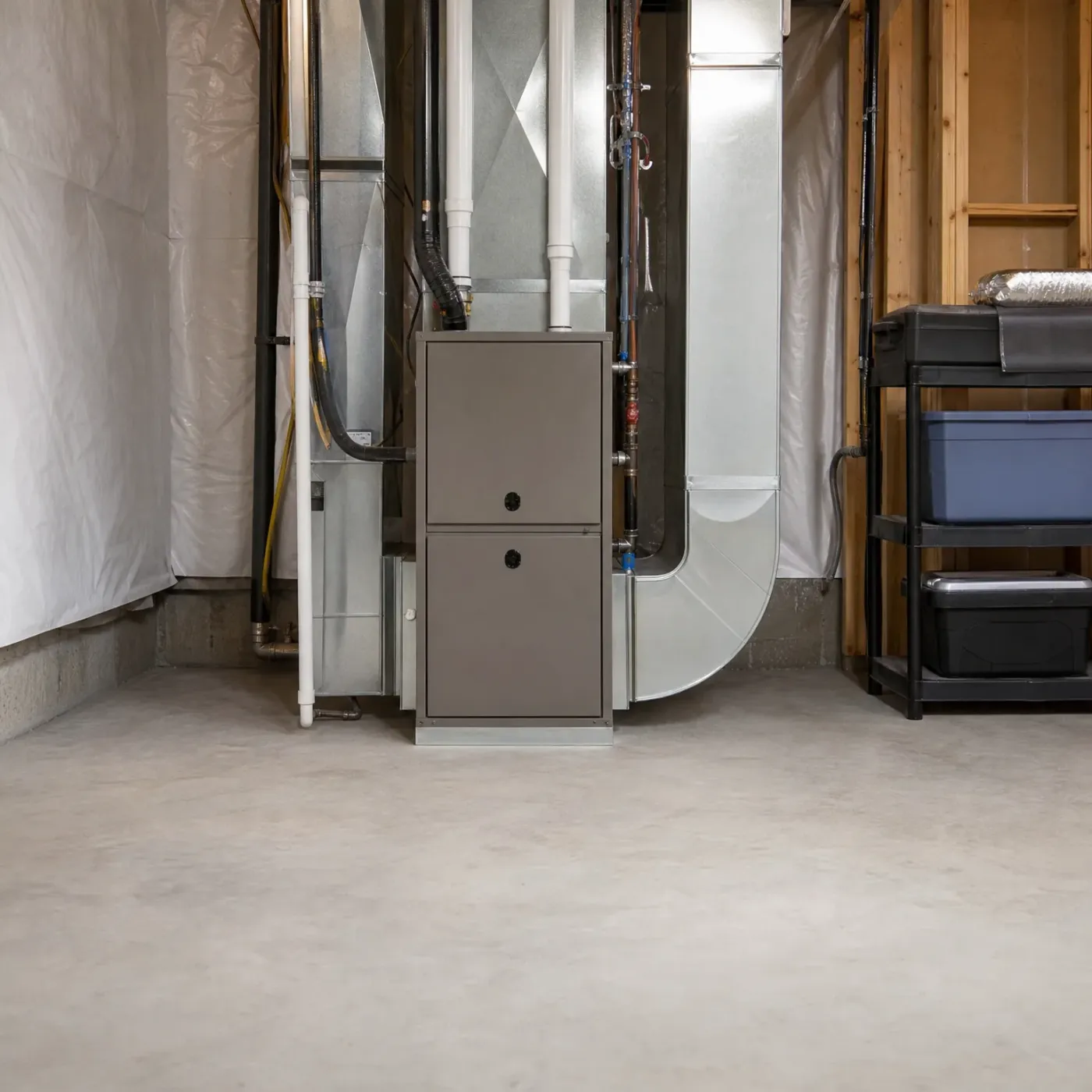
A basement utility area with a gray furnace, sheet-metal ductwork, pipes, plastic-covered walls, a concrete floor, and a black shelving unit holding storage bins.

Furnace cycling normally

This one fires, heats the house to temperature, and shuts the burners off. The blower runs a short while after to pull the last heat off the exchanger, then it quiets down too. The cabinet stays cool to the touch except right after a cycle, and you're not hearing it run between calls for heat.

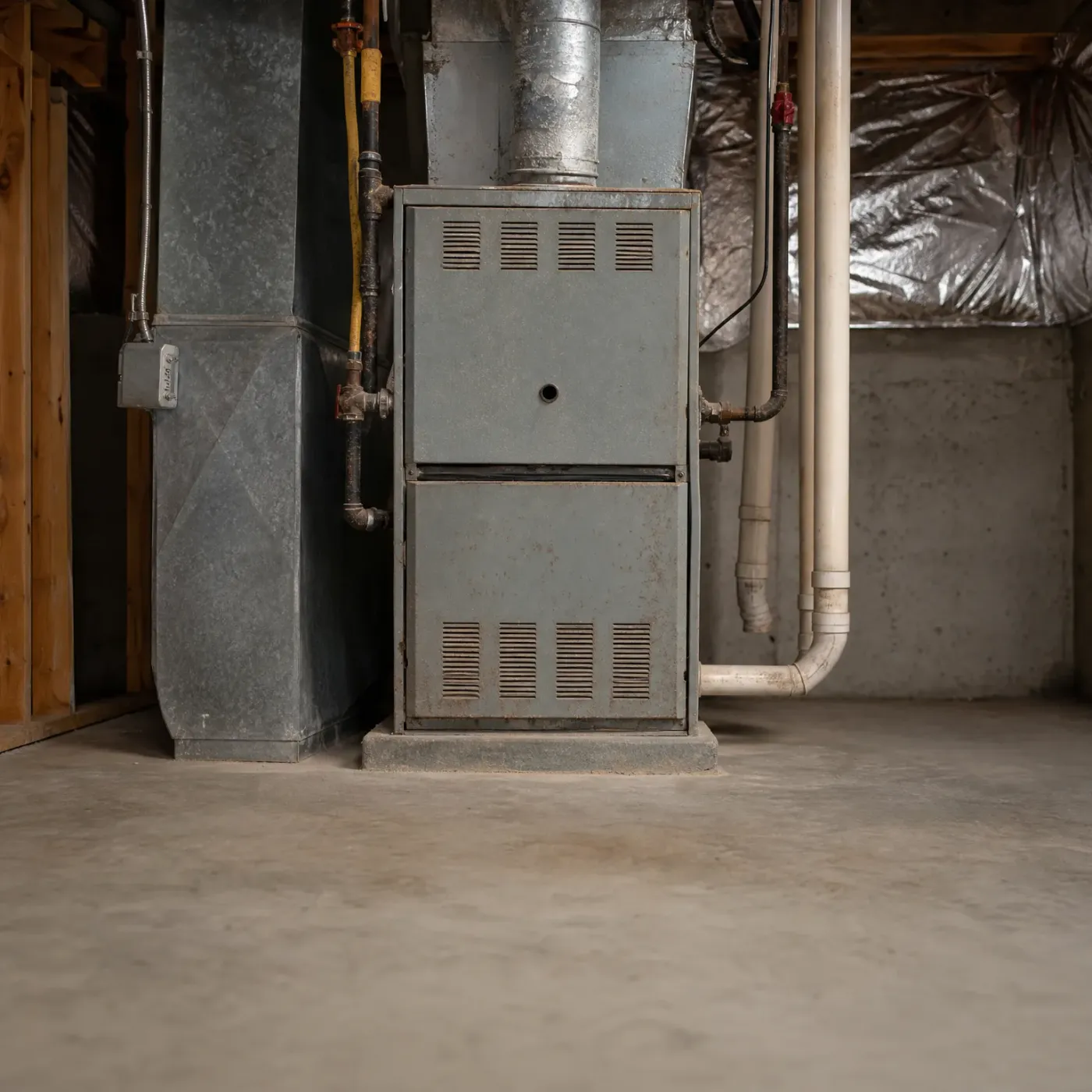
A gray metal furnace with louvered vent panels stands on a concrete basement floor beside galvanized ductwork, gas and plastic pipes, and foil-faced insulation along the ceiling and wall.

Furnace that won't stop

This one keeps firing long after the house should be warm. Rust on the cabinet like this often comes with age on the limit switch too, and an older switch is more likely to stick or read wrong. Surrounded by the same ductwork and gas line as any furnace, but something inside isn't telling it to stop.

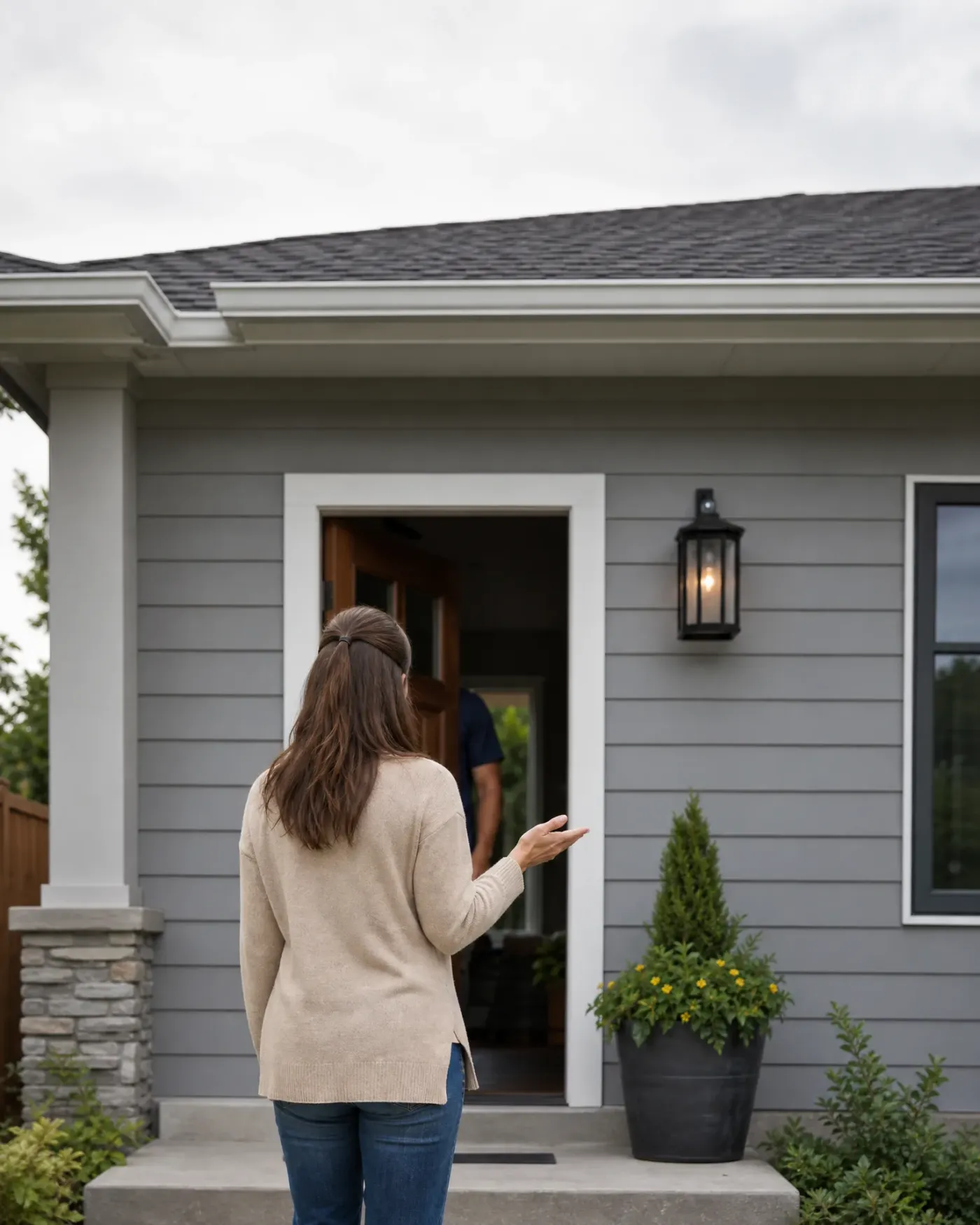
A woman in a cream cardigan and jeans stands with one hand raised facing an open front door of a gray horizontal-siding house, with a black lantern wall light, a potted shrub with yellow flowers, and a stone-faced porch column.

A furnace that won't shut off has a reason

A furnace that runs and runs is responding to something, a thermostat setting, a dirty filter, a limit switch that won't reset. None of that fixes itself by waiting it out. The furnace will keep doing exactly what it's doing tonight and tomorrow night until someone opens the cabinet and finds the actual cause.

You don't have to spend your evening calling furnace companies around Oklahoma, explaining the same problem three or four times, and sitting on quotes trying to guess which one is fair. Answer a few questions once and a contractor who handles this kind of call reaches out to you directly, already knowing what you're dealing with. The furnace keeps the house warm either way. How long it takes to find someone who can look at it is the part that's up to you.

Interior corner of a room with a window and sheer curtain at left, a gray upholstered sofa with a cushion at right, and a round wooden table holding stacked books and a round vase with an olive branch.
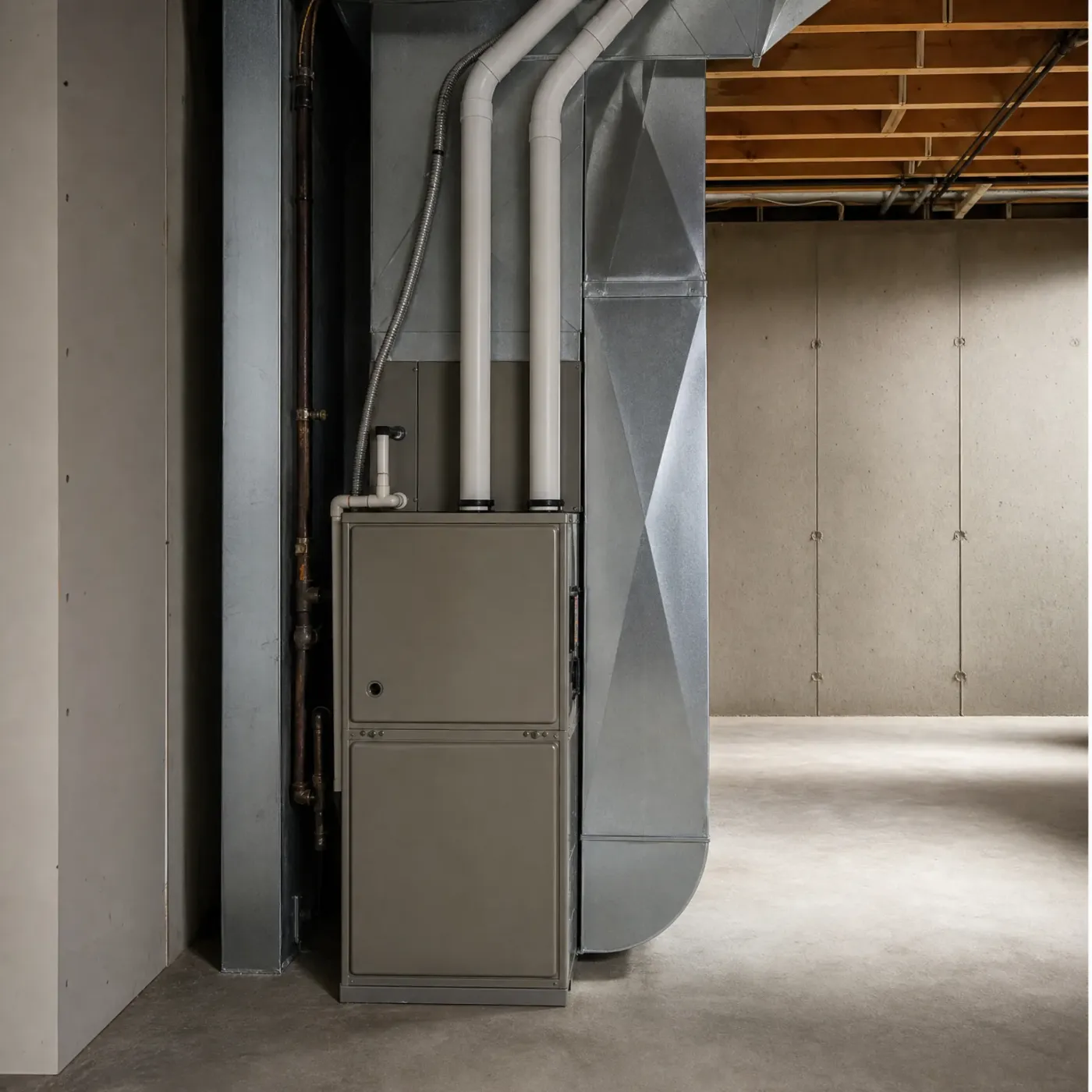
A gray high-efficiency furnace in an unfinished basement, connected to sheet-metal ductwork and two white PVC vent pipes, with copper piping and exposed wood floor joists nearby.

A furnace pro near you

Request a pro

Describe your furnace job once, to one pro.

You only hire the pro if you want to.