Tell us about the job
Takes about a minute. No obligation.
A furnace in this county has been running against something. 302 severe weather events were recorded in Tillman County, Oklahoma between 2015 and 2024. At that rate, the wear a contractor finds on heat exchangers, pressure switches, and ignition components reflects a system that has been cycled hard against real atmospheric stress, not just age or a single bad stretch. That changes what a contractor checks first and what they price before anything else.
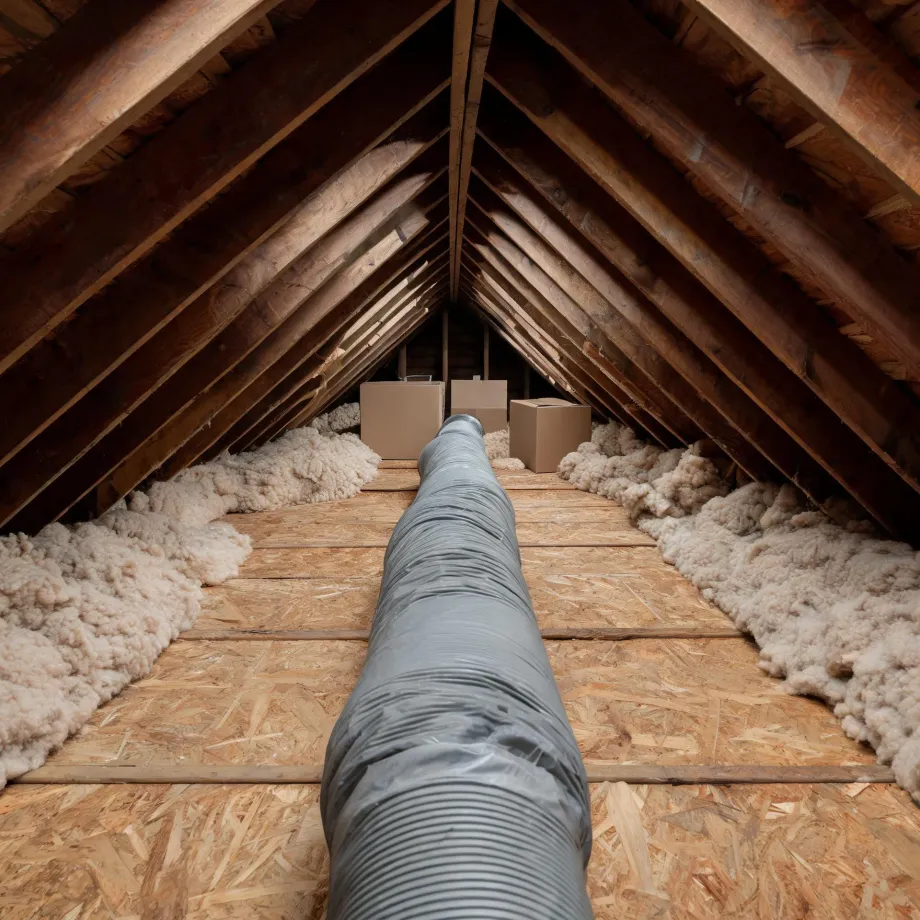
Much of the housing here was built for equipment that manufacturers stopped making long ago. Half the homes in Tillman County, Oklahoma were built in 1963 or earlier (2020-2024 ACS 5-year). When a contractor opens a furnace in a house from that era, the condition of the heat exchanger or the control board is only half the question. The other half is whether what the system takes is still in production, or whether the repair routes through a parts search that changes both the timeline and the price. Homeowners are often deciding between a repair and a replacement before the first estimate is written.
The Parts of a Furnace a Contractor Checks First
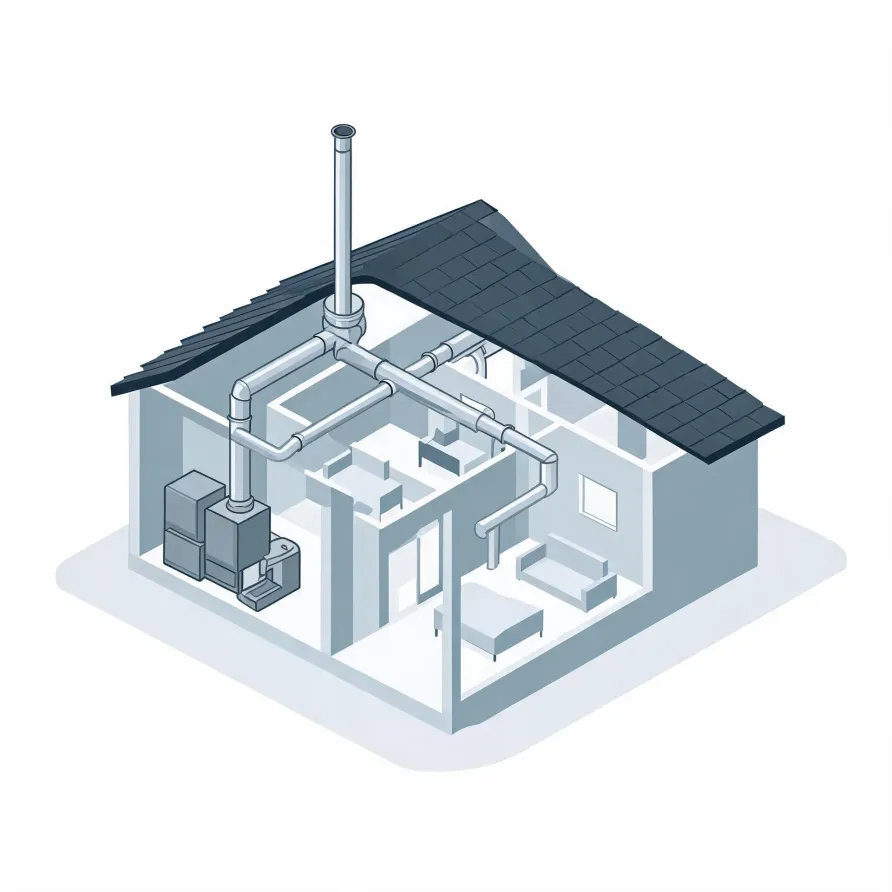
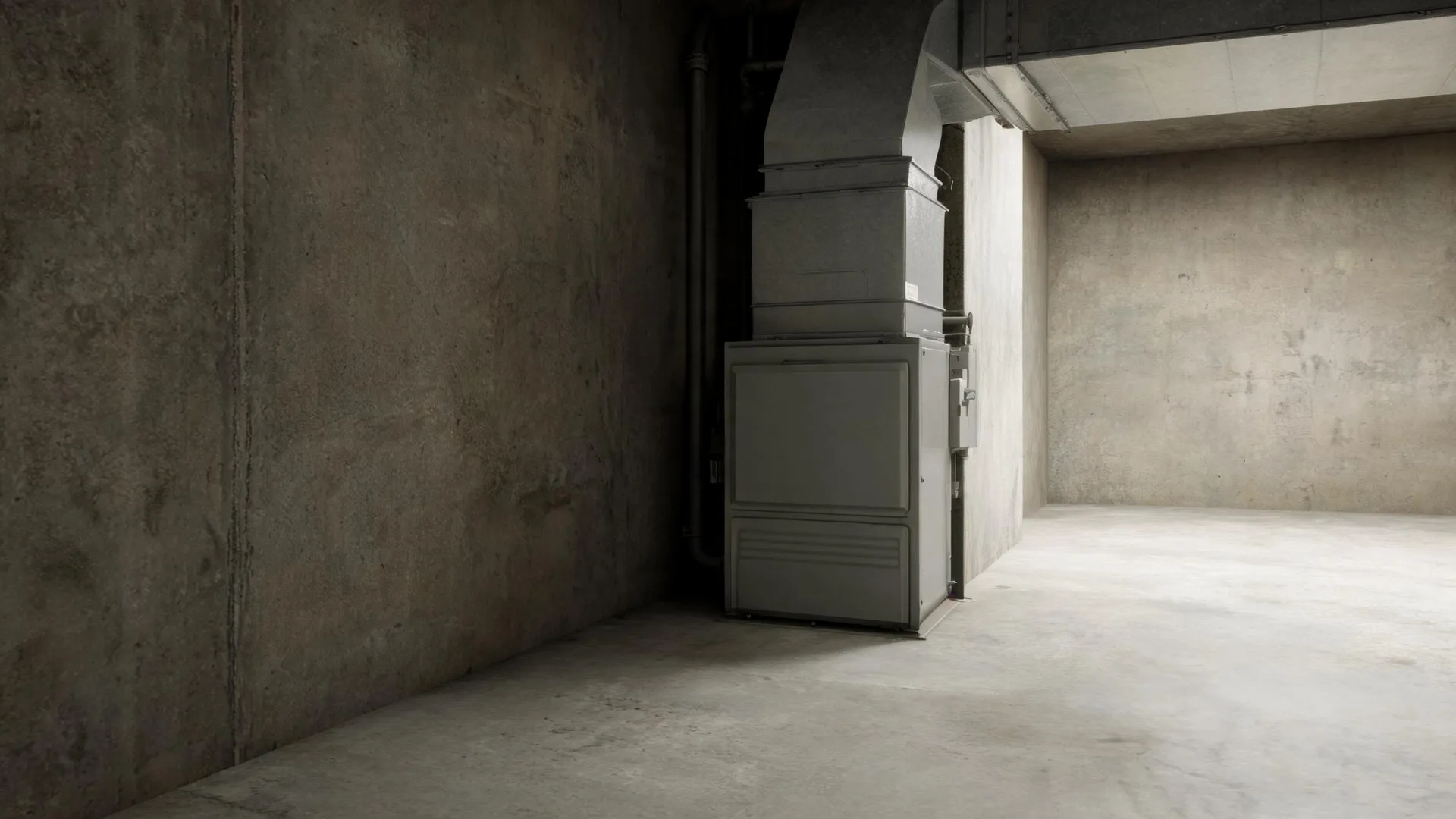
The furnace itself sits in a utility space, basement, or closet and is the piece a contractor goes to first. Inside it, the heat exchanger and burner assembly do the core work, and cracks, corrosion, or ignition failures here are common reasons a furnace stops heating or trips a safety shutoff.
The blower motor and its fan wheel move conditioned air out of the furnace and into the house. Alongside those, the control board and the flame sensor each govern whether the system starts, runs, and shuts down safely. A fault in any of these can produce the same symptom, so a contractor works through them in sequence.
The drawing shows a general layout of the system, and a licensed contractor determines which components apply and what service is needed in your specific home.
Get matched in Tillman CountyTillman County, by the numbers
302 severe weather events were recorded in Tillman County, Oklahoma between 2015 and 2024.
NOAA National Centers for Environmental Information, Storm Events Database, bulk CSV export, events 2015-01-01 through 2024-12-31.Half the homes in Tillman County, Oklahoma were built in 1963 or earlier (2020-2024 ACS 5-year).
U.S. Census Bureau, 2020-2024 American Community Survey 5-Year EstimatesTillman County, Oklahoma holds 3,748 housing units (2020-2024 ACS 5-year).
U.S. Census Bureau, 2020-2024 American Community Survey 5-Year EstimatesOwners occupy 72.8% of the occupied homes in Tillman County, Oklahoma (2020-2024 ACS 5-year).
U.S. Census Bureau, 2020-2024 American Community Survey 5-Year EstimatesCodes & Standards Governing Furnace Repair in Tillman County, Oklahoma6 sourced rules and standards
What HVAC Repair Looks Like in Tillman County
Non-weatherized gas furnaces manufactured on or after November 19, 2015 must reach 80.0 percent AFUE.
Non-weatherized oil-fired furnaces manufactured on or after November 19, 2015 must reach 83.0 percent AFUE.
Mobile home gas furnaces manufactured on or after November 19, 2015 must reach 80.0 percent AFUE.
Non-weatherized gas furnaces manufactured on or after December 18, 2028 must reach 95.0 percent AFUE, up from the 80.0 percent minimum that applies to units manufactured before that date.
What Tillman County, Oklahoma Requires for HVAC Repair
An Oklahoma mechanical licence is valid statewide, and a contractor licensed by a local authority who works only in that locality is not required to hold the state licence at all.
Oklahoma requires a Construction Industries Board licence for mechanical work: nobody may do or advertise mechanical work as a journeyman or contractor without the right licence.
Weather Stress on HVAC Equipment in Tillman County
Furnaces take a measurable hit every time local weather turns hard. The more a system is pushed to compensate, the more repair calls follow, which makes the weather record here a direct part of understanding furnace workload in Tillman County.
302 severe weather events, 2015–2024. Source: NOAA National Centers for Environmental Information, Storm Events Database.